What Happens When a Fighter Jet Is Too Loud for Its Own Good?
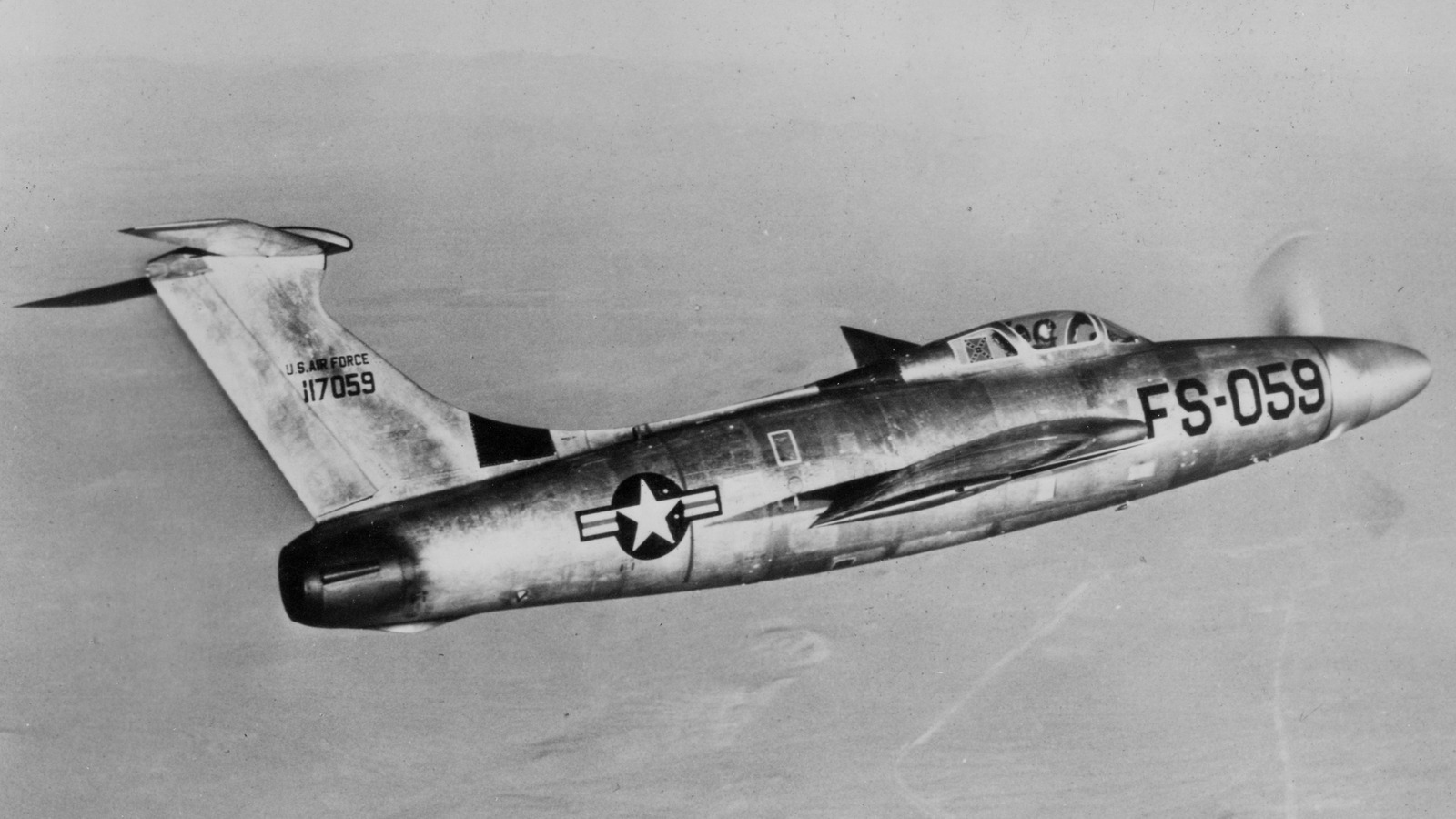
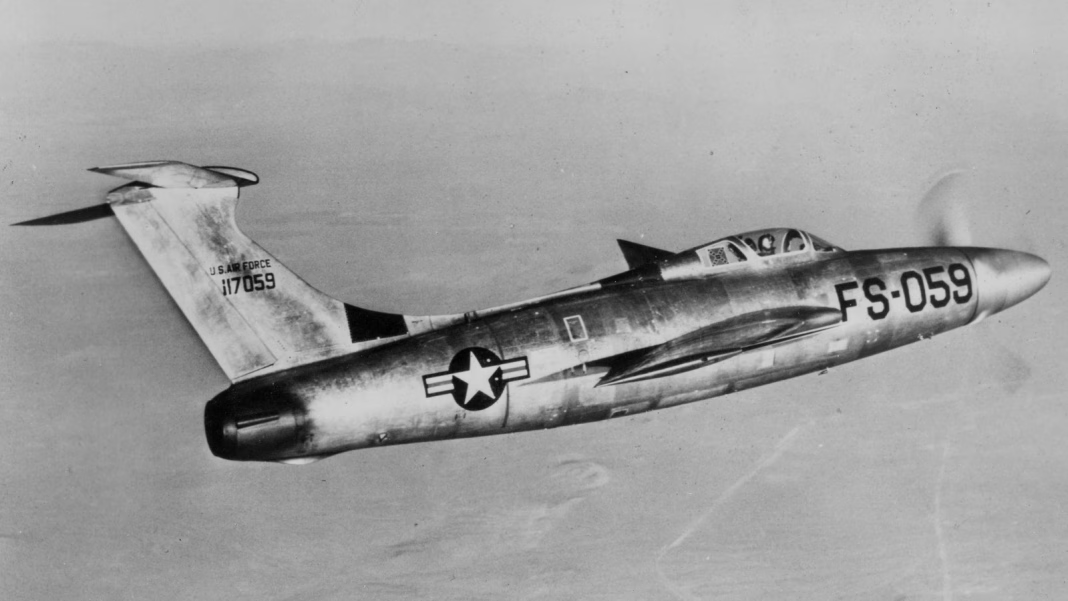
Picture this: a cutting-edge fighter jet, designed to push the boundaries of speed and power, but with one glaring flaw—it’s so loud that it’s almost impossible to fly safely. That’s not just a hypothetical scenario. Decades ago, both the Navy and Air Force were captivated by the promise of a new experimental fighter. The catch? It emitted a relentless sonic boom, so intense that it didn’t just rattle windows—it triggered seizures on the ground and left pilots physically shaken.
Why Did the Military Want a Plane That Was This Extreme?
The allure was obvious. Both branches were in a race to field the fastest, most advanced aircraft. The jet in question promised blistering speed and agility, the kind of performance that could outmatch any adversary. On paper, it was a dream machine. In reality, the constant sonic boom was more than just a nuisance—it was a genuine hazard.
Pilots reported that the deafening roar was so overwhelming, it made communication nearly impossible. Even with state-of-the-art helmets and noise-canceling gear, the sheer volume seeped through. Some pilots described feeling disoriented, their senses dulled by the endless barrage of sound. It wasn’t just about comfort; it was about safety. Reaction times slowed, and the risk of mistakes soared.
How Did the Sonic Boom Affect People on the Ground?
Here’s where things get even more alarming. The jet’s sonic signature was so powerful that it didn’t just stay in the cockpit. Residents living miles away reported windows shattering and car alarms blaring every time the plane took to the skies. In some documented cases, the vibrations were so severe that people experienced physical symptoms—headaches, nausea, and, in rare instances, even seizures.
A 2019 study by the National Academies of Sciences highlighted how low-frequency noise from aircraft can have measurable health impacts, including increased stress and sleep disturbances. This experimental fighter took those concerns to a whole new level. The military had to weigh the tactical advantages of the plane against the very real public health risks it posed.
What Did Engineers Try to Fix the Problem?
Engineers weren’t blind to the issue. They experimented with everything from redesigned exhaust nozzles to advanced sound-dampening materials. Some proposed flying the jet only at high altitudes or over remote areas, hoping to minimize the impact on communities below. But the fundamental problem was baked into the design. The very features that made the jet so fast—its powerful engines and aerodynamic shape—also made it a sonic nightmare.
Aerospace experts like Dr. Mark Drela from MIT have pointed out that managing sonic booms is one of the toughest challenges in supersonic flight. Even today, NASA and private companies are investing millions into “quiet supersonic” technologies, trying to crack the code that eluded engineers decades ago.
Why Didn’t the Jet Make It Into Widespread Use?
In the end, the drawbacks outweighed the benefits. The military realized that a fighter jet, no matter how advanced, couldn’t be effective if its own pilots dreaded flying it. And the public backlash over the noise was impossible to ignore. The project was quietly shelved, serving as a cautionary tale about the limits of pushing technology too far, too fast.
What Lessons Did the Aviation World Take Away?
This episode left a lasting mark on military aviation. It underscored the importance of balancing raw performance with human factors—comfort, safety, and environmental impact. Today’s fighter jets are still incredibly loud, but nothing comes close to the relentless boom of that experimental model. Modern designs incorporate lessons learned, with more attention paid to noise reduction and pilot well-being.
The big takeaway? Innovation isn’t about perfection—it’s about smarter adjustments. Start with one change this week, and you’ll likely spot the difference by month’s end. Sometimes, the most important breakthroughs come not from chasing the wildest dreams, but from learning when to dial things back.