How Much Does a New F1 Helmet Really Cost?
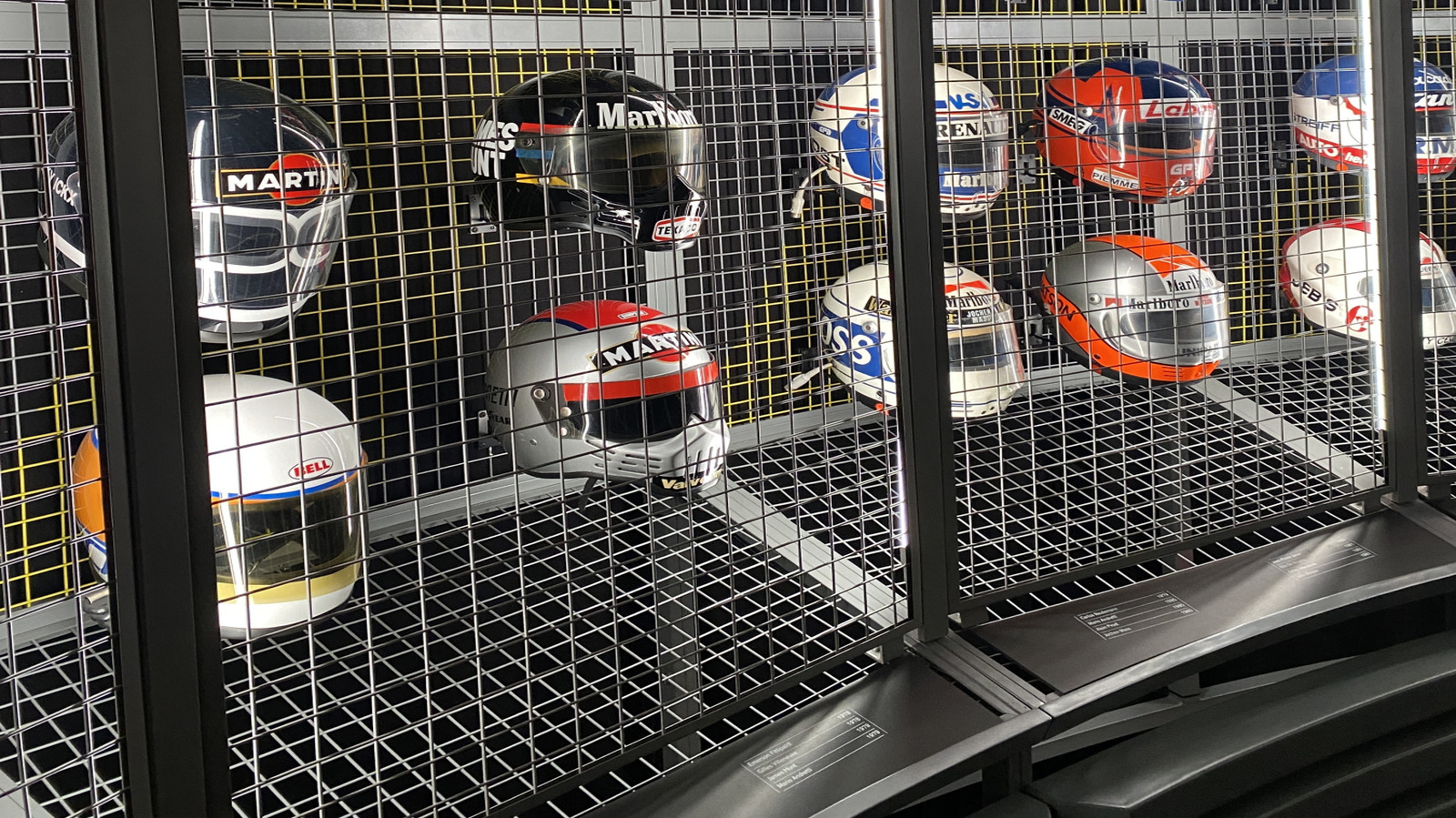
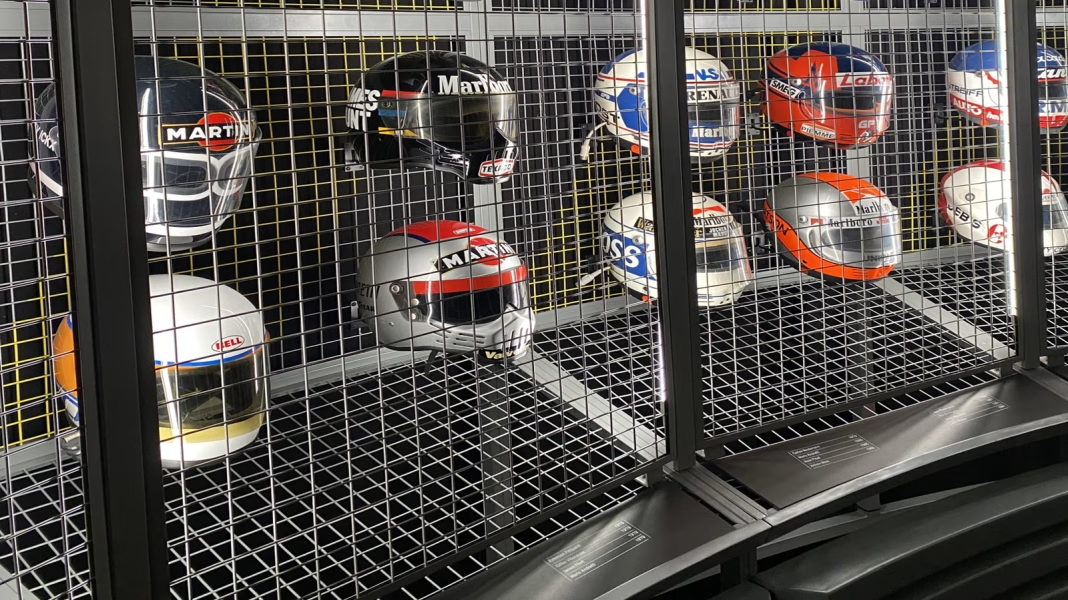
If you’ve ever watched Formula 1 and wondered what it’s like to slip on one of those high-tech helmets, brace yourself—these aren’t your average motorcycle lids. A brand-new F1 helmet, straight from the factory, can set you back anywhere from $4,000 to $12,000. That’s not a typo. And that’s just for the standard, off-the-shelf version. Once you factor in custom paint jobs, aerodynamic tweaks, and bespoke fittings for a top driver, the price can easily double.
Why so expensive? F1 helmets are marvels of engineering, built to withstand impacts that would turn lesser gear to dust. They’re crafted from layers of carbon fiber, Kevlar, and advanced composites, then subjected to brutal FIA crash tests. Each one is tailored to the driver’s head, with ventilation, radio systems, and even hydration tubes seamlessly integrated. It’s safety, comfort, and performance—no corners cut.
Could You Really Buy a Used Car Instead?
Here’s a fun comparison: for the price of a new F1 helmet, you could drive off in a solid used car. According to Kelley Blue Book, the average price for a used vehicle in the US hovers around $28,000 as of late 2023, but there are plenty of reliable options in the $5,000 to $12,000 range. Think about that for a second. The same cash that buys you a helmet could also net you a well-kept Honda Civic, a sporty Mazda Miata, or even a rugged old Jeep.
And if you’re eyeing a helmet worn by a famous driver—say, one that’s seen action in Monaco or Monza—the numbers get wild. Auction houses have seen race-worn helmets from legends like Ayrton Senna or Lewis Hamilton fetch upwards of $100,000, sometimes even more. At that point, you’re not just buying safety gear; you’re buying a piece of motorsport history. For that kind of money, you could be shopping for a Porsche Cayman or a nearly new Tesla Model 3.
What Makes F1 Helmets So Special Compared to Regular Helmets?
Let’s get into the nitty-gritty. The difference between an F1 helmet and a standard motorcycle helmet isn’t just marketing hype. F1 helmets are designed to perform in extreme conditions—think 200 mph crashes, flying debris, and temperatures inside the cockpit that can top 120°F. The FIA’s safety standards are notoriously strict, requiring helmets to survive impacts from 225g forces and penetration tests that mimic a suspension arm flying at your head.
On top of that, every helmet is custom-molded to the driver’s head, with padding that’s both fire-resistant and optimized for comfort during two-hour races. Integrated electronics let drivers communicate with their teams and stay hydrated without taking their hands off the wheel. It’s the kind of obsessive detail you’d expect from a sport where milliseconds matter.
Are F1 Helmets a Good Investment or Just for Superfans?
You might be wondering if these helmets are just expensive toys for collectors, or if they actually hold value. The answer? It depends. Standard F1 helmets depreciate like most high-end gear, but race-worn helmets from big-name drivers can appreciate dramatically, especially if tied to a historic win or season. In 2022, a helmet worn by Michael Schumacher during his championship years sold for over $200,000 at auction. That’s not just memorabilia—it’s an asset.
Still, for most fans, the thrill is in the story. Owning a helmet that’s been through the chaos of an F1 race connects you to the sport in a visceral way. It’s a conversation starter, a display piece, and, for some, a tangible reminder of a favorite driver’s legacy.
What Else Could You Get for the Price of a Famous Driver’s Helmet?
Let’s put it in perspective. For the price of a helmet worn by a legend, you could buy a new BMW 3 Series, a loaded Ford Mustang, or even put a down payment on a house in some parts of the country. That’s the kind of money that changes your daily life, not just your garage.
If you’re a motorsport enthusiast with deep pockets, the choice is yours—history or horsepower. But for most of us, it’s a reminder of just how rarefied the world of Formula 1 really is.
The big takeaway? F1 helmet prices aren’t about perfection—they’re about smarter adjustments. Whether you’re investing in a piece of racing history or just daydreaming about what you could buy instead, start with one change this week: look at the value behind the price tag. You’ll likely spot the difference by month’s end.