Why Are Alcohol-Free Beer Ads So Common in F1 Racing?
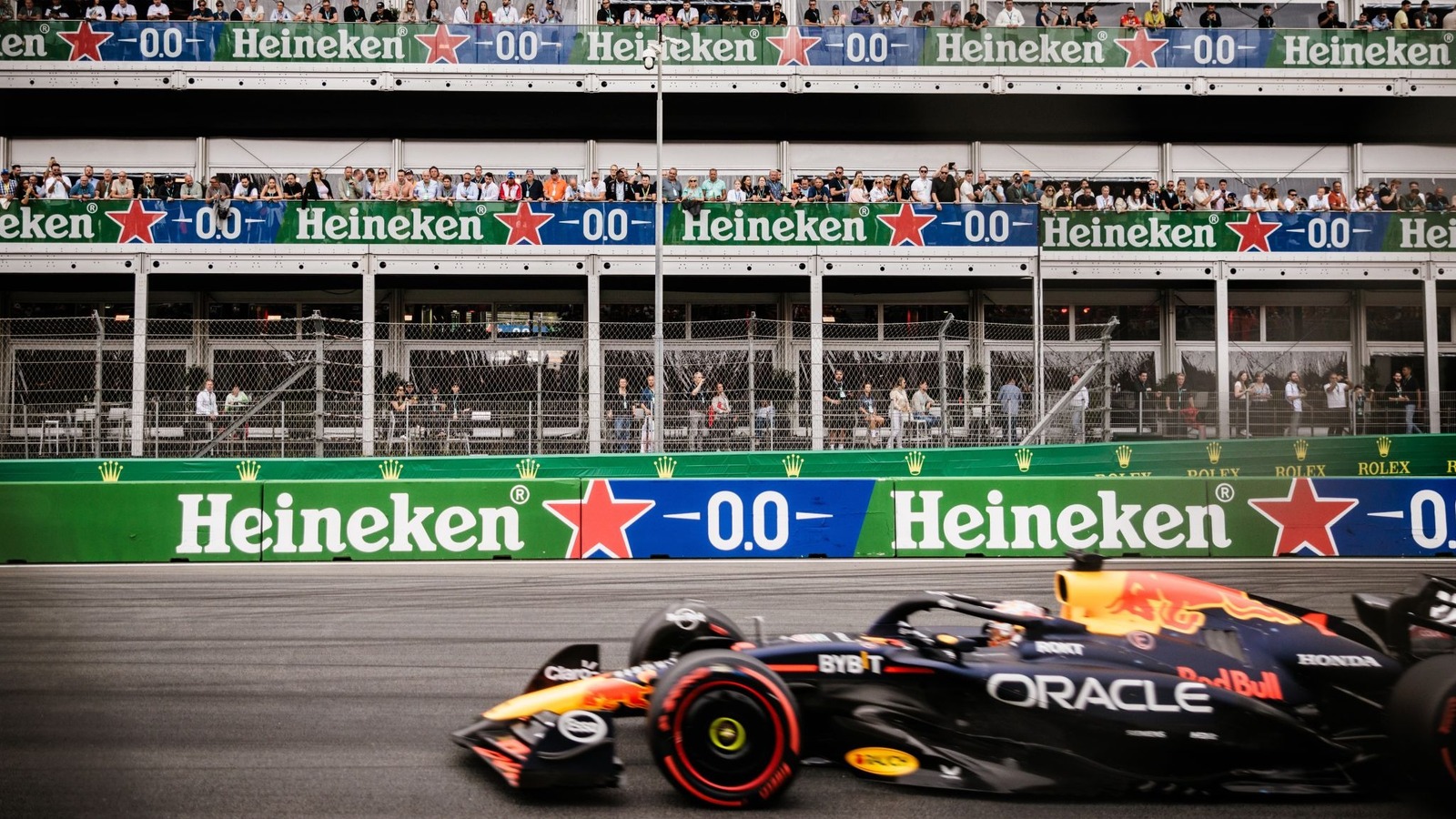
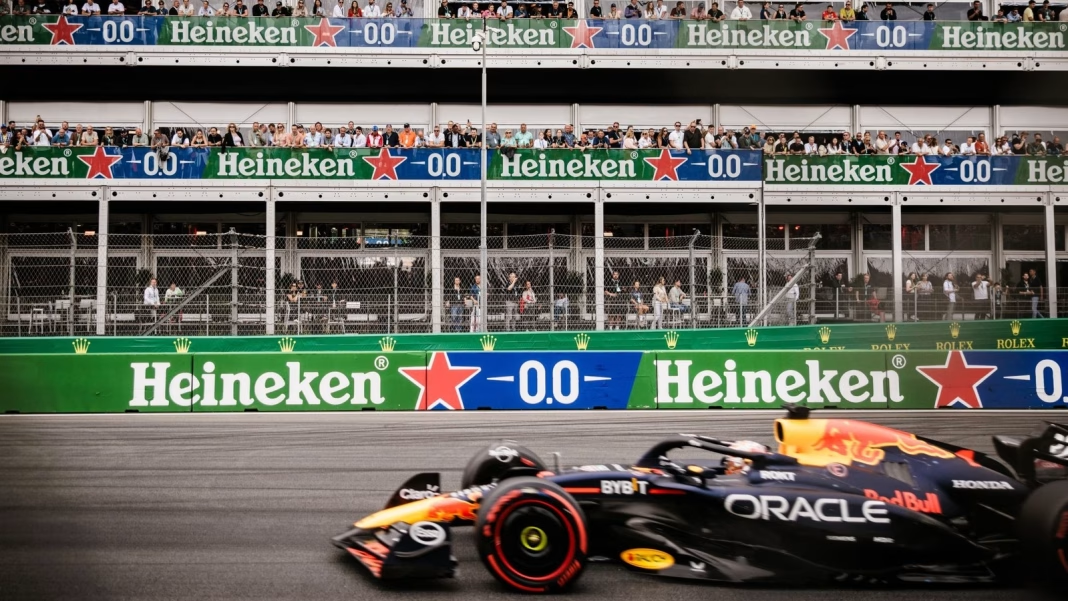
If you’ve tuned into a Formula 1 race lately, you’ve probably spotted those slick alcohol-free beer logos plastered on cars, driver suits, and trackside banners. It’s not just a quirky branding choice. There’s a clever strategy at play here, and it’s all about navigating the maze of international advertising laws.
Formula 1 is a global sport, with races held everywhere from Monaco’s glitzy streets to the bustling cityscape of Singapore. But here’s the catch: many countries have strict rules—or outright bans—on alcohol advertising, especially at sporting events. To keep those lucrative sponsorship deals alive, big beer brands have pivoted. Instead of pushing their classic brews, they’re spotlighting alcohol-free versions. It’s a workaround that lets them maintain visibility without running afoul of local laws.
How Do These Sponsorships Actually Work?
At first glance, it might seem like a simple swap—just slap “0.0%” on the logo and call it a day. But the reality is a bit more nuanced. Brands like Heineken, for example, have invested heavily in promoting their alcohol-free lines, not just as a legal loophole but as a genuine product offering. According to a 2023 report from the Brewers of Europe, the alcohol-free beer market has grown by over 30% in the last five years. That’s not just a blip—it’s a real shift in consumer habits.
By advertising alcohol-free options, sponsors can still reach millions of fans, both at the track and watching from home. The messaging is subtle: enjoy the taste, skip the buzz. For F1 teams, these deals are a financial lifeline, helping to fund everything from research and development to those lightning-fast pit stops.
Are There Places Where Even Alcohol-Free Beer Ads Are Banned?
Here’s where things get tricky. While most countries are fine with alcohol-free beer ads, a handful take a much stricter stance. In places like France and certain Middle Eastern nations, any association with alcohol—free or not—is tightly regulated. The French Loi Evin, for example, prohibits all forms of alcohol advertising in sports, and regulators have sometimes interpreted even 0.0% branding as a violation.
During the 2022 French Grand Prix, F1 teams had to cover up or swap out their alcohol-free beer logos entirely. In some Middle Eastern races, the branding is replaced with generic team or sponsor names, or even left blank. It’s a reminder that, no matter how clever the workaround, local laws still call the shots.
What’s the Real Impact on Fans and the Industry?
For fans, these ads might seem like background noise, but they’re shaping the future of both F1 and the beverage industry. Alcohol-free beer isn’t just a stand-in for the real thing anymore. It’s a rapidly growing market, especially among younger consumers and those looking for healthier options. NielsenIQ data from 2023 shows that sales of non-alcoholic beer jumped 23% globally year-over-year.
From an industry perspective, these sponsorships are a win-win. F1 teams get crucial funding, while beer brands reach a massive, engaged audience. Plus, there’s a subtle nudge toward responsible drinking—something public health advocates have been pushing for years.
Is This Just a Legal Loophole, or a Sign of Changing Tastes?
It’s tempting to see alcohol-free beer ads as just a clever legal hack. But dig a little deeper, and you’ll find a genuine shift in how people think about drinking. Younger fans, in particular, are more likely to choose alcohol-free options, whether for health, religious, or personal reasons. Brands are responding, not just to skirt regulations, but to tap into a growing market segment.
Take Heineken’s global campaign for its 0.0% beer. It’s not just about compliance—it’s about positioning the brand as inclusive and forward-thinking. The message? You can enjoy the F1 lifestyle without the hangover.
What Should Fans and Brands Expect Next?
With more countries tightening advertising rules and consumer preferences evolving, expect to see even more creative approaches from brands and teams. Virtual advertising—where digital billboards change depending on the broadcast region—is already being used to tailor messages to local laws. Some teams are even exploring partnerships with non-alcoholic beverage startups, diversifying their sponsorship portfolios.
The big takeaway? F1’s alcohol-free beer sponsorships aren’t about perfection—they’re about smarter adjustments. Start with one change this week, and you’ll likely spot the difference by month’s end.