What Was the First American Police Car—and Why Was It Electric?
If you’re picturing a roaring V8 Mustang or a futuristic Tesla as the first police car in America, you’re way off. The real story goes back over a hundred years, to a time when electric vehicles quietly outnumbered their gasoline rivals. It’s a twist that surprises even seasoned car buffs: the very first American police car was, in fact, an EV.
How Did Electric Cars Beat Gasoline to the Police Force?
Let’s set the scene. The year is 1899. Horses still rule the streets, but cities are starting to buzz with newfangled machines—some powered by steam, others by gasoline, and a surprising number by electricity. In fact, according to the U.S. Department of Energy, electric vehicles made up about one-third of all cars on American roads at the turn of the 20th century. They were especially popular in cities, where their quiet operation and lack of exhaust made them a hit with urbanites.
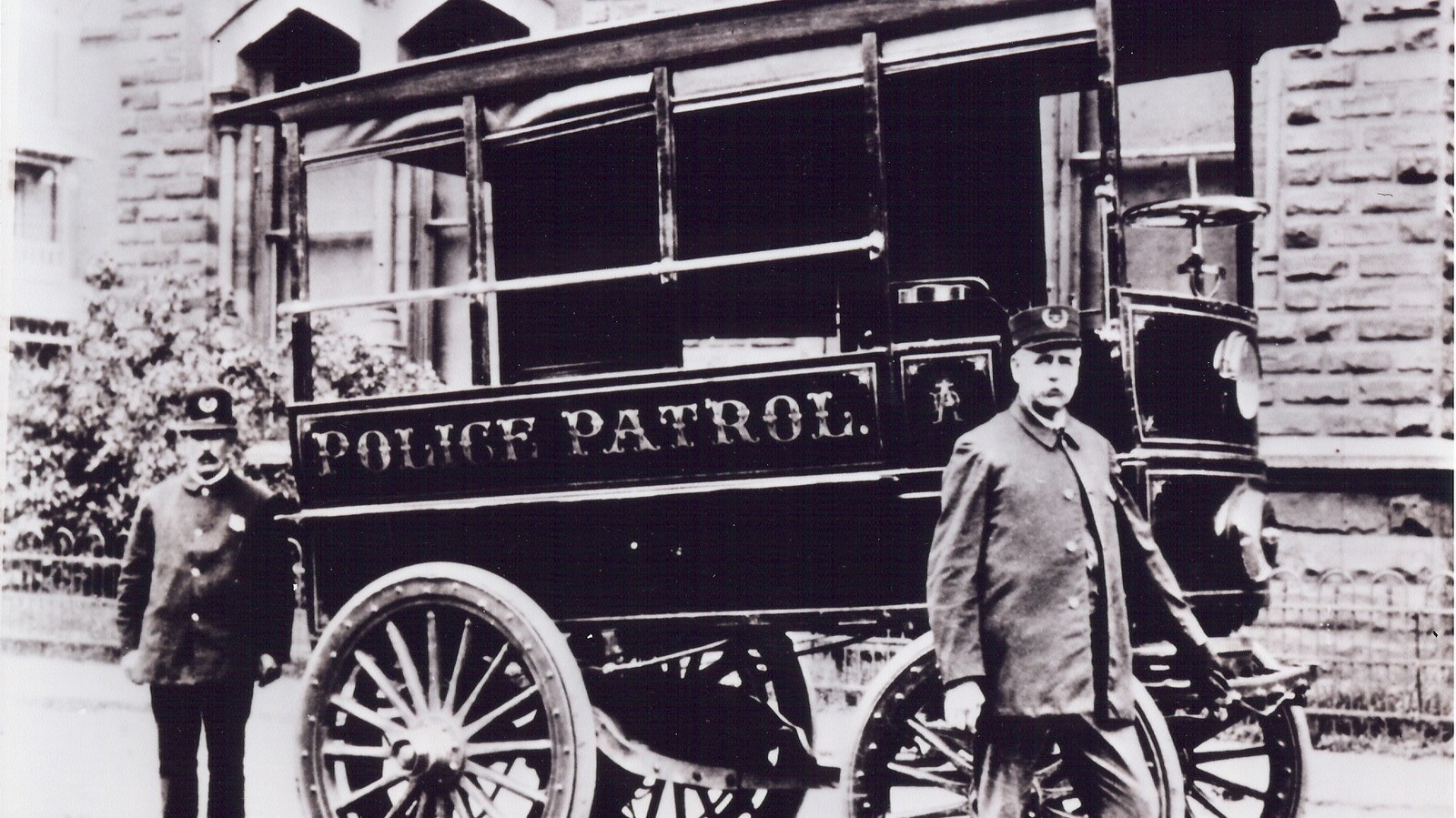
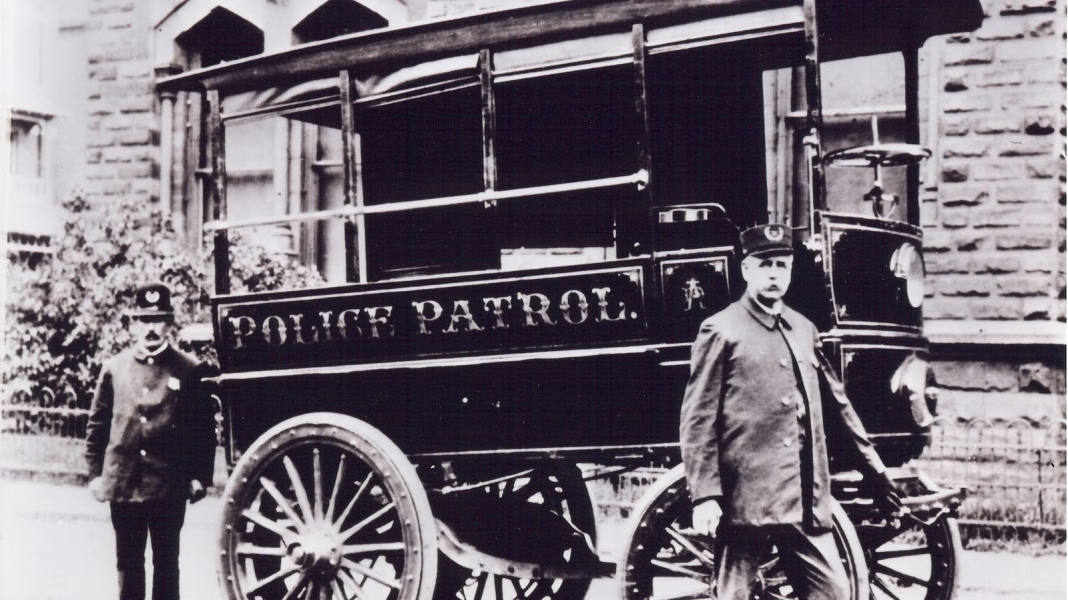
So when the Akron, Ohio Police Department decided to modernize its fleet, it didn’t turn to gas or steam. Instead, it commissioned the city’s first ever patrol car from the Collins Buggy Company. The result? A boxy, battery-powered wagon that looked more like a horseless carriage than a modern cruiser. But it got the job done—quietly, efficiently, and without spooking the horses.
What Made Early Electric Police Cars So Appealing?
You might wonder, why go electric? For police work in the early 1900s, electric cars had a few key advantages. First, they were easy to start—no hand cranking required. That meant officers could respond faster in emergencies. Second, they were nearly silent, which made it easier to sneak up on troublemakers or patrol neighborhoods without causing a ruckus. And finally, they were reliable. Gasoline engines of the era were finicky and prone to breakdowns, while electric motors just kept humming along.
The Akron police EV could reach a top speed of about 18 miles per hour and had a range of 30 miles on a single charge. That might sound laughable today, but in a city where most patrols were local, it was more than enough.
Why Did Gasoline Cars Eventually Take Over?
If electric police cars were so great, why did they disappear? The answer comes down to infrastructure and innovation. As gas stations popped up across the country and internal combustion engines became more powerful and affordable, gasoline cars started to dominate. By the 1920s, Ford’s mass-produced Model T had made gas cars the default choice for police departments and the public alike.
EVs, meanwhile, struggled with limited range and long charging times—problems that would haunt them for decades. It wasn’t until the 21st century that advances in battery technology and a renewed focus on sustainability brought electric vehicles back into the spotlight.
Are Police Departments Returning to Electric Vehicles Today?
Fast forward to now, and the tables are turning once again. Police departments from Los Angeles to New York are testing electric patrol cars, drawn by the same benefits that appealed to their predecessors: low maintenance, quiet operation, and instant torque. Modern EVs like the Ford Mustang Mach-E and Tesla Model Y are being outfitted for police duty, and early reports suggest they’re up to the task.
A 2023 study from the National Renewable Energy Laboratory found that electric police vehicles can save departments thousands of dollars per year in fuel and maintenance costs. And with cities pushing for greener fleets, it’s likely we’ll see more EVs with flashing lights in the years ahead.
What Can We Learn from the Past—and Where Are We Headed?
The story of America’s first police car is more than a quirky historical footnote. It’s a reminder that innovation isn’t always a straight line. Sometimes, the best ideas come around more than once, shaped by the needs and technologies of their time.
The big takeaway? Progress isn’t about perfection—it’s about smarter adjustments. Start with one change this week, and you’ll likely spot the difference by month’s end.