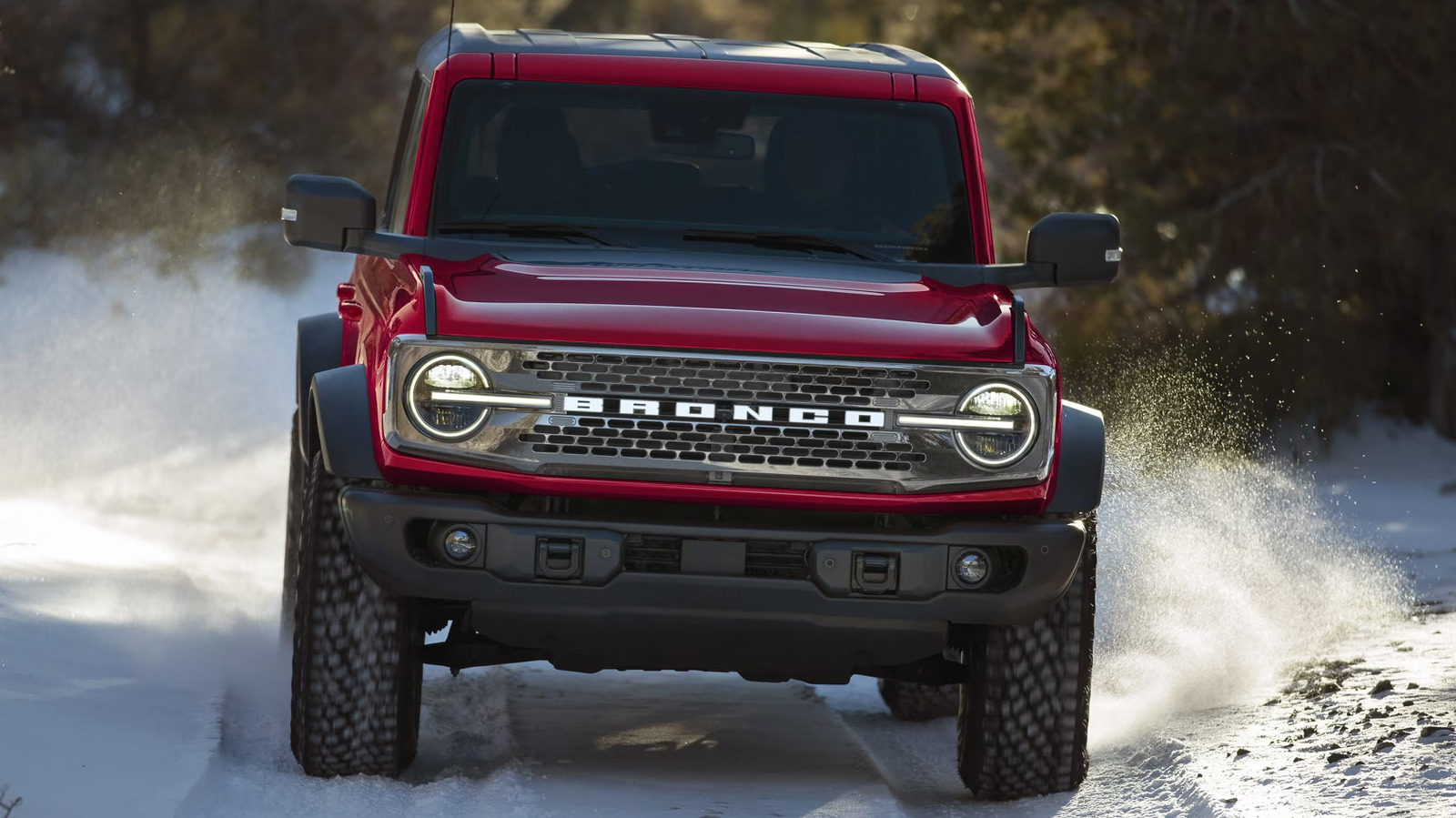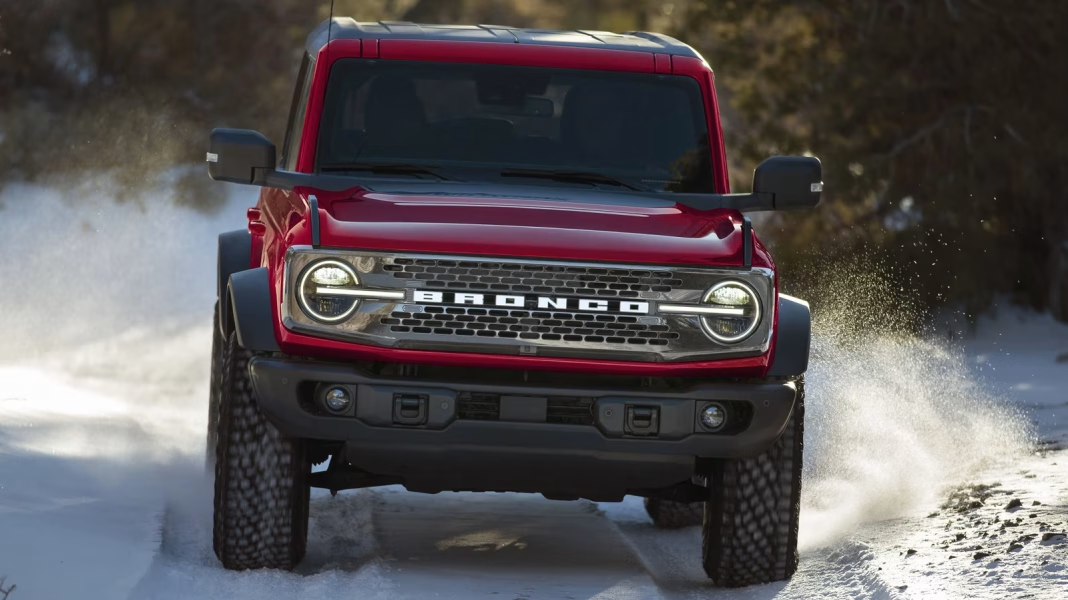
How Fast Does a Ford Bronco Lose Value in Its First Three Years?
Let’s cut to the chase: every vehicle loses value the moment you drive it off the lot. But if you’re eyeing a Ford Bronco, you’re probably wondering just how much of a hit your wallet might take after three years of ownership. The answer isn’t as simple as a single number—market trends, mileage, condition, and even color can play a role. Still, there are some solid benchmarks and surprising insights worth knowing before you sign those papers.
What’s the Average Depreciation for a Three-Year-Old Ford Bronco?
On average, a Ford Bronco will lose about 25 to 30 percent of its original value after three years. For context, if you bought a Bronco for $50,000, you could expect it to be worth somewhere between $35,000 and $37,500 at the end of year three. That’s actually a bit better than the industry average for SUVs, which typically see closer to 35 percent depreciation over the same period, according to data from iSeeCars and Kelley Blue Book.
Why Does the Bronco Hold Its Value Better Than Some Rivals?
The Bronco’s strong resale value isn’t just luck. Ford reintroduced the Bronco with a bang, tapping into nostalgia and off-road credibility. High demand and limited supply in the first couple of years meant used Broncos were sometimes selling for more than new ones—a rare phenomenon in the car world. Even as the market has cooled and supply chains have stabilized, the Bronco’s reputation for ruggedness and adventure keeps demand high.
Plus, the Bronco appeals to a specific crowd—outdoor enthusiasts, weekend warriors, and folks who want something that stands out from the sea of crossovers. That kind of brand loyalty and lifestyle appeal can soften the blow of depreciation.
How Do Mileage and Condition Affect Bronco Resale Value?
It’s not just about the calendar. A Bronco with 15,000 miles and one with 60,000 miles will not fetch the same price, even if they’re both three years old. Generally, keeping your annual mileage below 12,000 miles helps maintain higher resale value. Regular maintenance, a clean accident history, and keeping the interior in good shape matter just as much.
Anecdotally, buyers are willing to pay a premium for Broncos with factory upgrades—think Sasquatch packages, hard tops, or rare color options. On the flip side, heavy off-road use that leaves visible wear and tear can knock thousands off the resale price.
Are There External Factors That Impact Bronco Depreciation?
Absolutely. The used car market is a moving target. In 2021 and 2022, chip shortages and production delays meant used Broncos were hot commodities, sometimes selling above MSRP. Fast forward to 2024, and while the market has cooled, the Bronco still enjoys stronger-than-average value retention compared to many other SUVs.
Economic shifts, gas prices, and even new model releases can all influence what your Bronco is worth. For example, if Ford announces a major redesign or a hybrid version, older models might see a sharper dip in value as buyers flock to the latest and greatest.
How Does the Bronco Compare to Other Popular SUVs?
If you’re cross-shopping, it helps to know that the Bronco’s depreciation is on par with or better than rivals like the Jeep Wrangler and Toyota 4Runner. Both of those models are known for holding their value, thanks to their cult followings and proven off-road chops. The Bronco’s recent resurgence has put it in the same conversation, which is good news for owners.
Meanwhile, more mainstream SUVs—think Ford Explorer or Chevy Traverse—tend to lose value faster, sometimes dropping 35 to 40 percent in three years. So, if resale value is a top priority, the Bronco is a smart bet.
What Can You Do to Minimize Depreciation?
A few simple strategies can help you keep more money in your pocket when it’s time to sell or trade in. Stick to popular colors (white, black, gray), keep up with scheduled maintenance, and avoid aftermarket modifications that might turn off future buyers. If you plan to use your Bronco for serious off-roading, invest in protective gear to minimize damage.
And don’t forget timing—selling or trading in when demand is high (think spring and summer) can net you a better price than offloading during the winter lull.
The big takeaway? Depreciation isn’t about perfection—it’s about smarter adjustments. Start with one change this week, and you’ll likely spot the difference by month’s end. Whether you’re buying, selling, or just planning ahead, knowing how your Bronco’s value shifts over time puts you in the driver’s seat—literally and financially.