How Does the Modern Ford Maverick Compare to Its 1970s Namesake?
If you’ve ever seen both the classic 1970s Ford Maverick and the new compact pickup that shares its name, you probably noticed something right away: these two vehicles are worlds apart. But what exactly sets them apart, and is there any real connection beyond the badge? Let’s dig in.
What Was the Original Ford Maverick Known For?
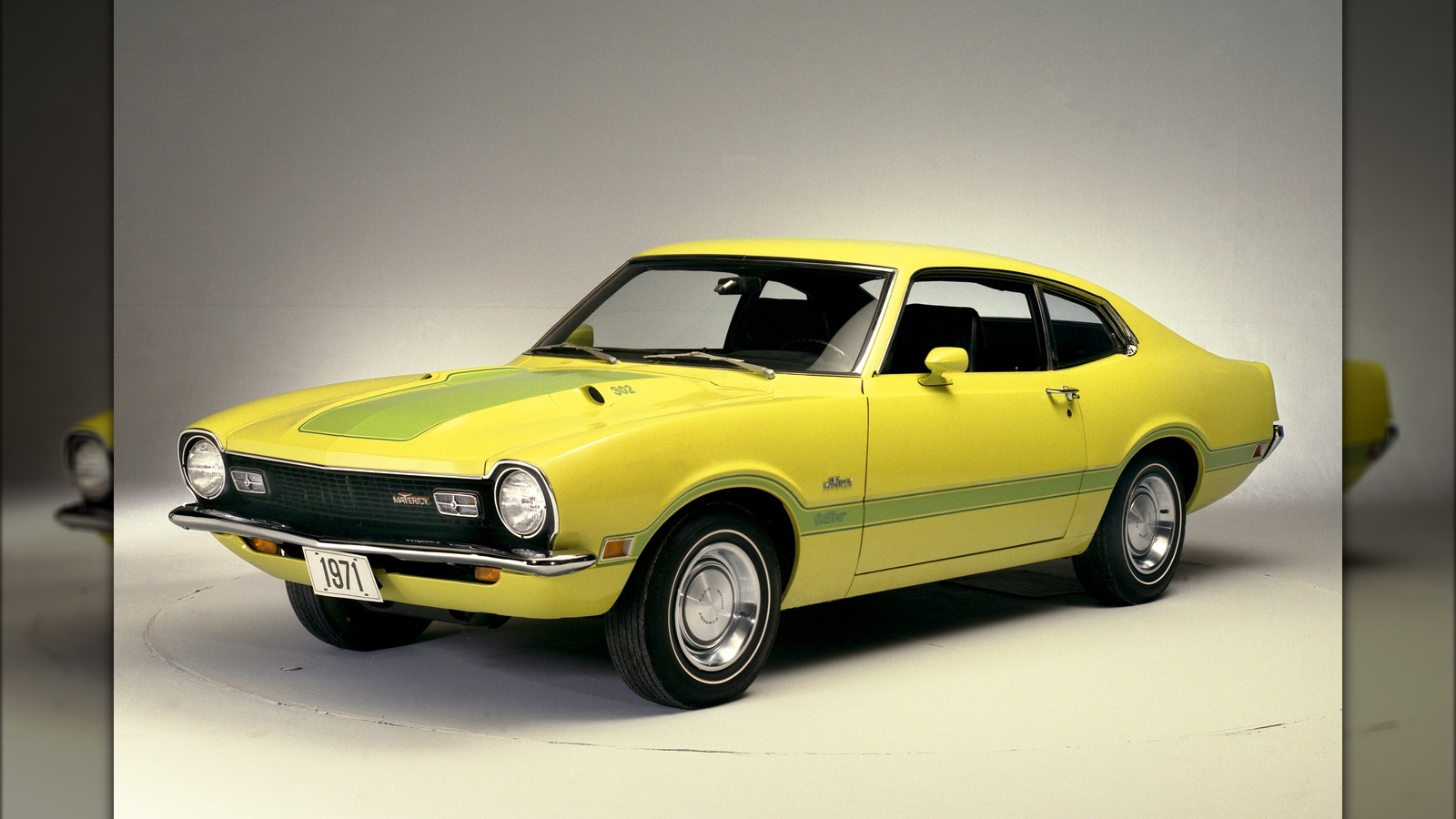
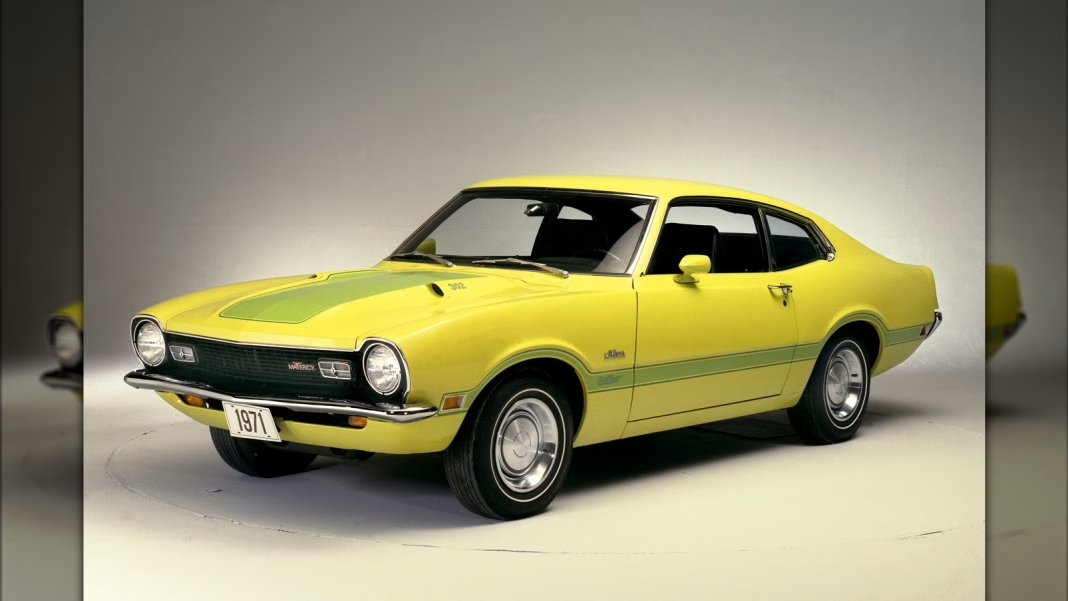
Back in the early 1970s, the Ford Maverick was all about simplicity and affordability. It was Ford’s answer to rising fuel prices and the demand for smaller, more economical cars. Think of it as the practical cousin to the Mustang—less flash, more function. The Maverick came as a two-door or four-door sedan, and its straightforward design made it a hit with budget-conscious buyers. It wasn’t a muscle car, but it did offer some fun colors and trims, and it became a familiar sight on American roads.
The Maverick’s appeal was its no-nonsense approach. It was easy to maintain, cheap to run, and didn’t pretend to be something it wasn’t. For many, it was their first car or a reliable family hauler. Today, you’ll still spot a few lovingly restored Mavericks at classic car shows, often sporting those iconic 1970s paint jobs—bright oranges, deep blues, and even some wild greens.
Why Did Ford Bring Back the Maverick Name for a Pickup?
Fast forward to 2022, and Ford decided to resurrect the Maverick name—but this time, it’s attached to a compact pickup truck. Why the change? The automotive landscape has shifted dramatically. Trucks and SUVs now dominate the market, and buyers want versatility, fuel efficiency, and a price tag that doesn’t break the bank.
Ford’s move wasn’t just about nostalgia. The new Maverick fills a gap for people who want the utility of a truck but don’t need (or want) a full-size beast. It’s aimed at urban dwellers, young professionals, and anyone who values practicality over sheer size. The Maverick’s hybrid powertrain is a nod to modern efficiency, offering impressive fuel economy—an EPA-estimated 37 mpg combined, according to Ford’s own data. That’s a far cry from the original’s numbers, which hovered in the low 20s at best.
How Do the Designs and Features Stack Up?
Here’s where the contrast really pops. The original Maverick was a compact sedan with a simple, almost minimalist interior. Comfort and tech features were sparse by today’s standards—think AM radio, bench seats, and manual everything. But it had character, especially in those groovy 1970s colors.
The new Maverick, on the other hand, is all about clever packaging. It’s a four-door crew cab pickup with seating for five and a surprisingly spacious bed for its size. Inside, you’ll find modern amenities: touchscreen infotainment, smartphone integration, and a suite of safety features that would have seemed like science fiction in the 1970s. Ford even offers a range of bold color options, a subtle nod to the original’s playful palette.
What’s the Real-World Appeal of Each Model?
For classic car enthusiasts, the 1970s Maverick is a symbol of a bygone era—affordable, honest, and easy to tinker with. It’s the kind of car you might see at a local cruise-in, drawing smiles from folks who remember when gas was under a dollar a gallon.
The new Maverick, meanwhile, is winning over a different crowd. It’s practical for city life, easy to park, and doesn’t guzzle fuel. Owners rave about its versatility—hauling bikes one weekend, moving furniture the next. And with a starting price under $25,000, it’s one of the most accessible pickups on the market. According to a 2023 report from Kelley Blue Book, the Maverick’s combination of value and efficiency has made it one of the fastest-selling trucks in its class.
Is There Any Shared DNA Between the Two?
On the surface, the only thing these Mavericks share is the badge. But dig a little deeper, and you’ll spot a common thread: both were designed to meet the needs of their time. The original Maverick was about affordable, efficient transportation when Americans needed it most. The new Maverick is about delivering versatility and value in a world where flexibility is king.
In a way, Ford’s decision to revive the Maverick name is a nod to the spirit of the original, even if the execution is totally different. Both vehicles are about making smart choices—whether that means saving money at the pump or getting more done with less.
What Can Today’s Drivers Learn from the Maverick Legacy?
If there’s a lesson to take from the Maverick story, it’s that the best vehicles aren’t always the flashiest or most powerful. Sometimes, the real magic happens when automakers focus on what people actually need, not just what looks good on a spec sheet.
The big takeaway? The Maverick—old or new—isn’t about perfection. It’s about smarter adjustments. Start with one change this week, whether it’s rethinking your daily drive or choosing a car that fits your real-world needs, and you’ll likely spot the difference by month’s end.