
How is Ford’s New EV Platform Different from What We’ve Seen Before?
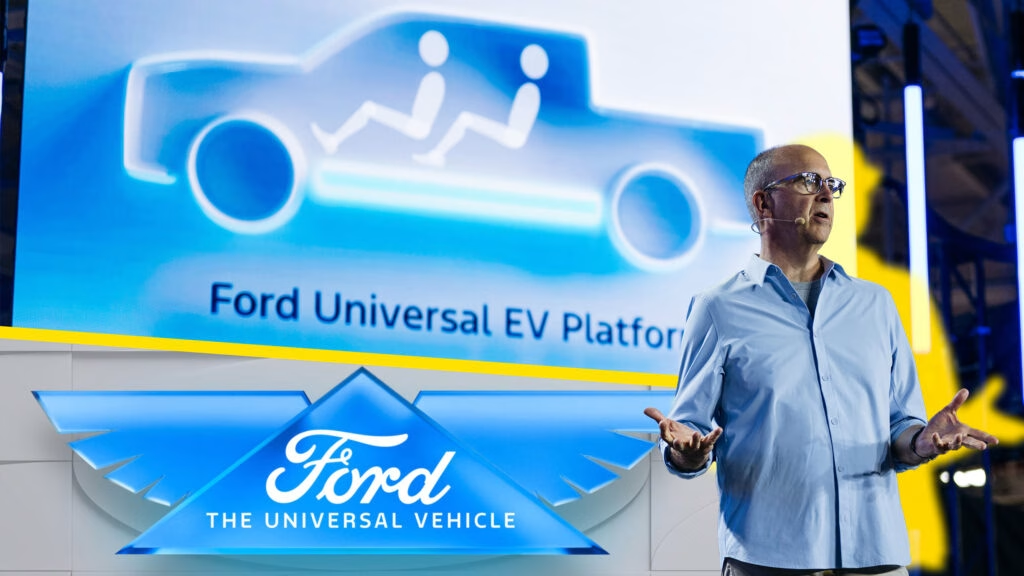
Ford’s latest move in the electric vehicle world isn’t just about rolling out a new truck or SUV. It’s about rewriting the playbook. Their Universal Electric Vehicle Platform, developed by a small, secretive team led by ex-Tesla engineer Alan Clarke, breaks away from the typical way Ford—and most automakers—have built cars for decades.
What’s so different? For starters, Ford is embracing unicasting. Instead of piecing together a vehicle from hundreds of welded panels, they’re casting large sections of the car in single pieces of aluminum. The result? Up to 75% fewer parts, two-thirds fewer welds, and half the fasteners compared to a traditional pickup. That’s not just a win for efficiency—it means less weight, fewer things that can go wrong, and a simpler assembly process. Ford’s engineers even managed to cut out nearly a mile of wiring compared to older EVs. That’s the kind of detail that adds up, both in cost and reliability.
Why Is Ford Rethinking the Assembly Line?
Let’s talk about the factory floor. Henry Ford’s original moving assembly line changed the world, but the company is now ditching the single conveyor belt for something more like a production tree. Instead of one long line, Ford’s new process splits the build into three parallel tracks: one for the front, one for the rear, and one for the battery core. These come together at the end, slashing the time each vehicle spends in assembly.
This isn’t just clever engineering—it’s a strategic move to keep pace with, and even outmaneuver, fast-moving competitors from China and other markets. By making the build process more modular and flexible, Ford can adapt quickly to new models or changes in demand. It’s a bit like switching from a slow-cooked stew to a high-speed stir-fry: same ingredients, but way faster and more adaptable.
Can Ford’s New Approach Really Lower EV Prices?
Affordability has always been the sticking point for electric vehicles. Ford’s aiming to crack that, starting with a $30,000 electric pickup set to arrive in 2027. But the real story is how their new platform and production system could drive down costs across the board.
By slashing parts and labor, Ford expects to offer a five-year cost of ownership that’s lower than buying a three-year-old Tesla Model Y. That’s a bold claim, but it’s rooted in real numbers: fewer parts mean less maintenance, and simpler builds mean lower manufacturing costs. The company’s betting that these savings will make EVs accessible to a much broader audience, not just early adopters or those with deep pockets.
What Does This Mean for Performance and Versatility?
Ford isn’t just chasing lower prices—they’re promising performance, too. The upcoming mid-size electric truck will reportedly be as quick as an EcoBoost Mustang and as roomy as a Toyota RAV4. That’s a pretty compelling combo for anyone who’s ever wished their pickup could double as a family hauler or city commuter.
And thanks to the flexibility of the new platform, Ford can spin off a whole family of vehicles: panel vans, three-row SUVs, maybe even something we haven’t seen before. This modular approach lets Ford respond to market trends without reinventing the wheel each time. If the demand for electric delivery vans spikes, they can pivot quickly. If families want bigger SUVs, the platform can handle that, too.
Are Legacy Automakers and Startups Ready for This Kind of Disruption?
Doug Field, Ford’s Chief EV, Digital and Design Officer, doesn’t mince words: he thinks most legacy automakers can’t pull off a transformation like this, and that new startups won’t be able to keep up. That’s a big statement, but there’s some truth behind it. Startups often lack the manufacturing muscle and supply chain know-how, while established brands can get bogged down by legacy systems and slow decision-making.
Ford’s advantage is its willingness to take risks—like putting a skunkworks team in California and letting them break the rules. It’s a blend of old-school manufacturing expertise and Silicon Valley-style innovation. That’s not easy to replicate.
How Will This Impact the Broader EV Market?
If Ford’s bet pays off, the ripple effects could be huge. Lower prices and faster production could force competitors to rethink their own strategies. We’ve already seen other automakers experimenting with large castings and modular platforms, but Ford’s scale and brand recognition give it a unique edge.
According to a 2023 report from the International Energy Agency, global EV sales are expected to hit 17 million in 2024, up from just 2 million in 2019. As the market grows, the pressure to deliver affordable, reliable, and versatile EVs will only intensify. Ford’s new approach could set a new standard for how electric vehicles are built and sold in the US and beyond.
What Should Buyers Expect from Ford’s Next Wave of EVs?
If you’re in the market for an EV in the next few years, Ford’s upcoming lineup is worth watching. Expect vehicles that are lighter, roomier, and quicker to build—meaning they’ll likely be more affordable and available in more configurations than before. The company’s focus on reducing cost of ownership is especially important as more buyers weigh the long-term economics of going electric.
The big takeaway? Ford’s EV revolution isn’t about perfection—it’s about smarter adjustments. Start with one change this week, and you’ll likely spot the difference by month’s end.