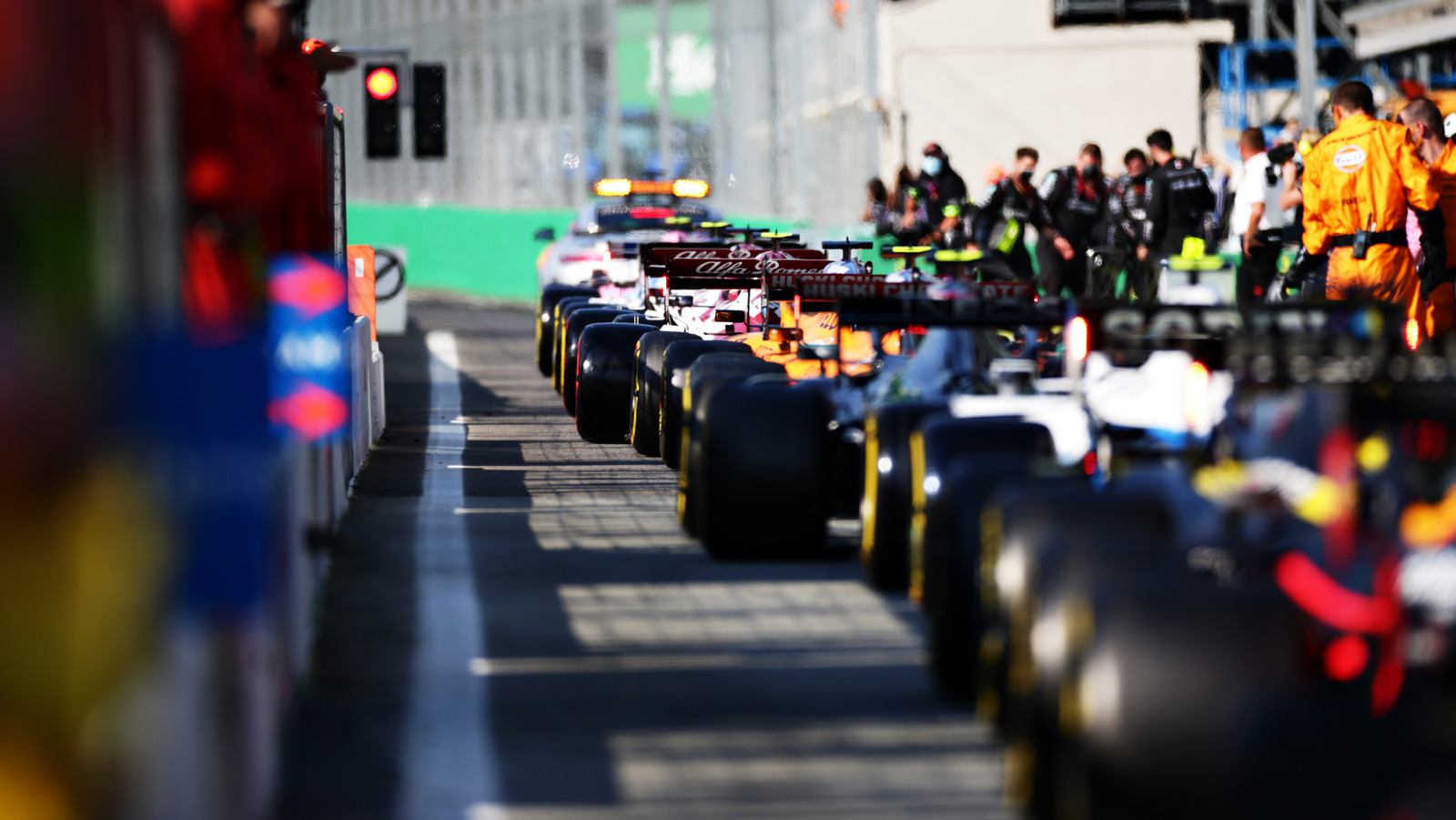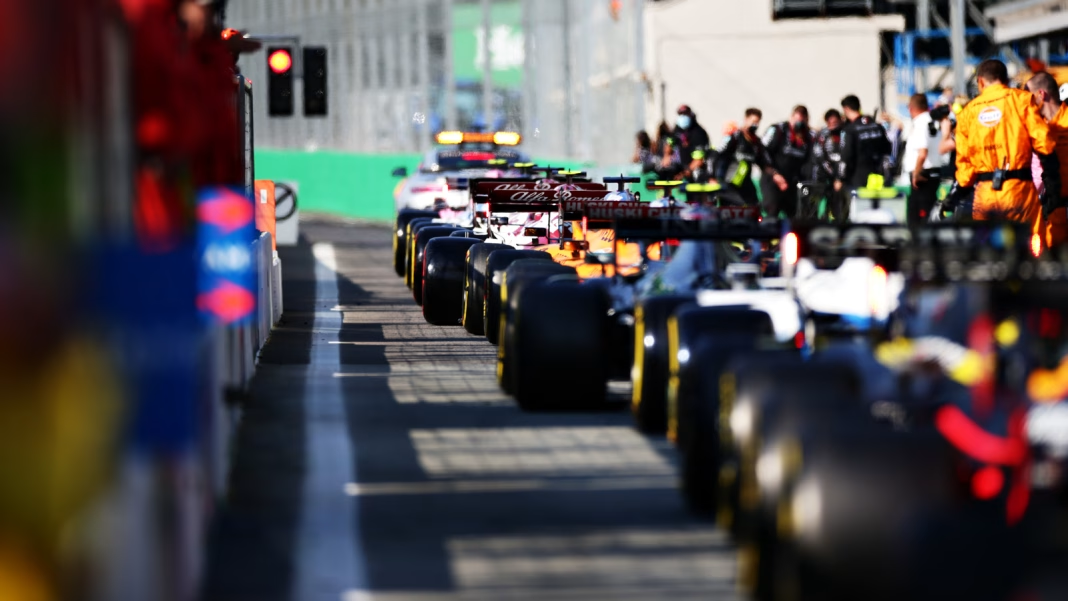
Why Do Some F1 Drivers Start from the Pit Lane Instead of the Grid?
If you’ve ever tuned in to a Formula 1 race and noticed a few cars lined up in the pit lane rather than on the grid, you’re not alone in wondering what’s going on. It’s not a random choice or a punishment handed out on a whim. The reasons behind pit lane starts are rooted in the sport’s intricate rulebook—and sometimes, in a bit of strategic thinking.
What Triggers a Pit Lane Start in Formula 1?
The most common reason a driver starts from the pit lane is a technical or regulatory infraction. Let’s say a team makes changes to the car after it’s been locked in post-qualifying—maybe swapping out a gearbox, tweaking the suspension, or even changing the setup for different weather. According to FIA regulations, once the car is in “parc fermé” conditions (French for “closed park”), only minimal adjustments are allowed. Break those rules, and you’re headed to the pit lane for the start.
There are also times when a car fails to make it to the grid in time, perhaps due to a last-minute mechanical issue or a crash during the formation lap. In these cases, the team can still join the race, but only from the pit lane after the rest of the field has passed.
Is Starting from the Pit Lane Always a Disadvantage?
It’s easy to assume that a pit lane start is a kiss of death for a driver’s race. After all, they’re starting from the back, right? Not always. While it’s true that drivers miss out on the initial scramble for positions, there are some hidden perks.
For one, a pit lane start means you can avoid the chaos of the first corner—a notorious hotspot for collisions. Plus, teams can use the opportunity to make setup changes that might give them an edge in changing weather or track conditions. In fact, there have been races where a pit lane starter has stormed through the field to finish in the points, or even on the podium. Lewis Hamilton’s recovery drives, for example, have become the stuff of legend.
How Do Teams Decide Whether to Start from the Pit Lane?
Sometimes, the decision isn’t forced by the stewards—it’s strategic. If a team knows their car isn’t well-suited to the setup they locked in during qualifying, they might opt to start from the pit lane, make the necessary changes, and hope that a better-handling car will pay off over the race distance. It’s a gamble, but in a sport where tenths of a second matter, it can be worth the risk.
There’s also the matter of tire choice. Cars starting from the grid are locked into their qualifying tire strategy, but pit lane starters get a free choice. That flexibility can be a game-changer if the weather turns unpredictable or if there’s an early safety car.
Are There Famous Examples of Pit Lane Starts Paying Off?
Absolutely. Take the 2020 Hungarian Grand Prix: both Haas drivers started from the pit lane after making bold tire changes before the start. The result? Both cars finished in the points, a rare feat for the team that season. Or look back at the 2014 Abu Dhabi Grand Prix, where Daniel Ricciardo started from the pit lane due to a fuel flow issue but clawed his way up to finish fourth.
These stories aren’t just flukes—they highlight how adaptable teams and drivers can be when faced with adversity. Sometimes, what looks like a setback is actually an opportunity in disguise.
How Does a Pit Lane Start Actually Work on Race Day?
Here’s how it plays out: while the rest of the grid lines up for the lights, pit lane starters wait at the end of the pit exit, held by a marshal. Only after the last car has passed the pit exit on the opening lap are they released onto the track. It’s a lonely, tense moment—just you, your car, and a wall of noise as the race roars away.
From there, it’s all about threading through the field, managing tire wear, and hoping for a bit of luck with safety cars or changing conditions. It’s not for the faint of heart, but it’s a challenge that can bring out the best in a driver.
What’s the Real Impact on a Driver’s Race?
Statistically, starting from the pit lane is a tough ask. According to data from the FIA and race analytics firms, fewer than 10% of pit lane starters finish in the top ten. But when it works, it’s a testament to the team’s resilience and the driver’s skill.
Fans love a good comeback story, and pit lane starts provide plenty of drama. They also keep teams on their toes, forcing them to adapt on the fly. In a sport where unpredictability is part of the appeal, pit lane starts add another layer of intrigue.
The big takeaway? Starting from the pit lane isn’t about perfection—it’s about smarter adjustments. Start with one change this week, and you’ll likely spot the difference by month’s end.