Why Did Formula One Move from V12 to V6 Engines?
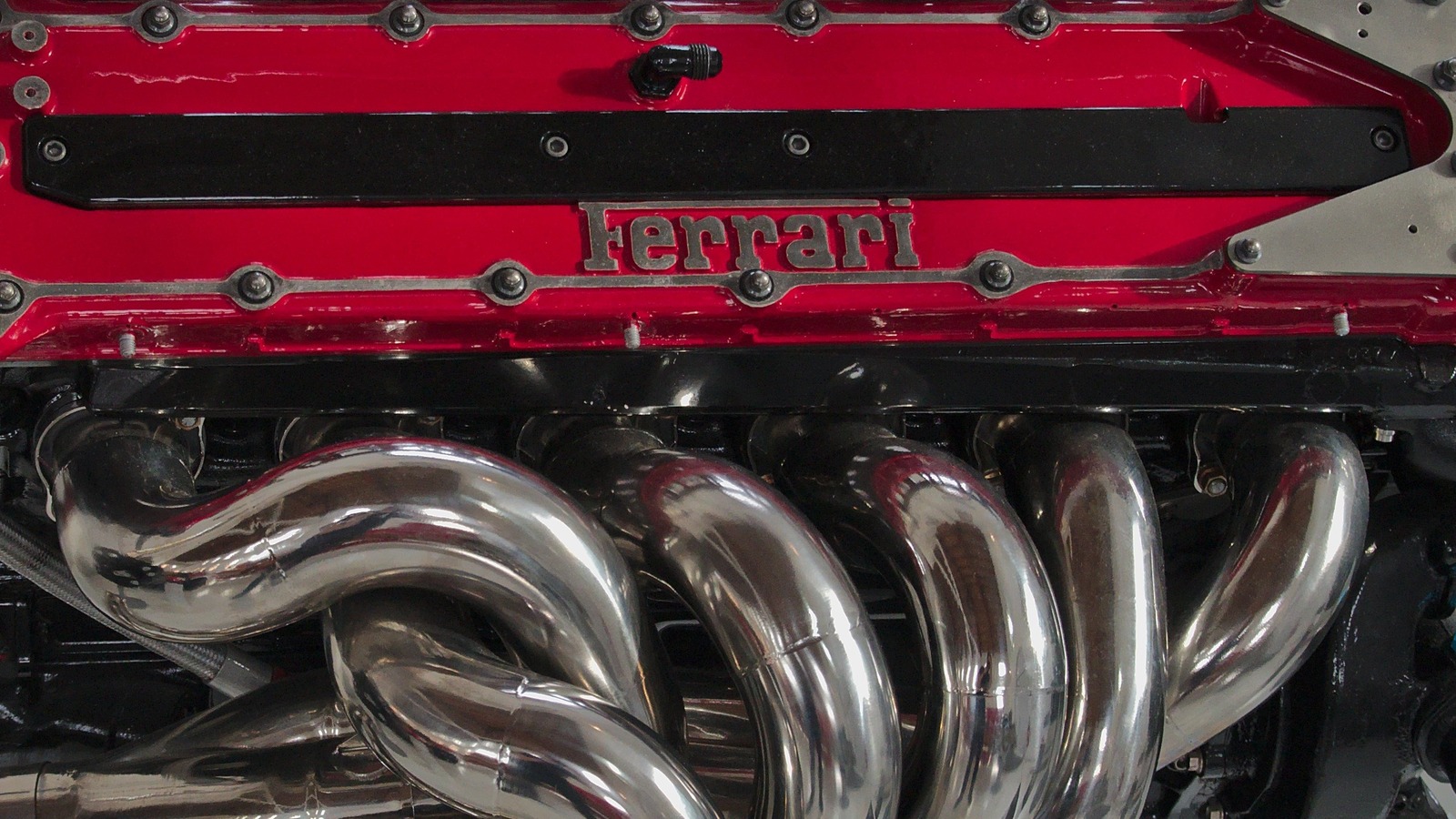
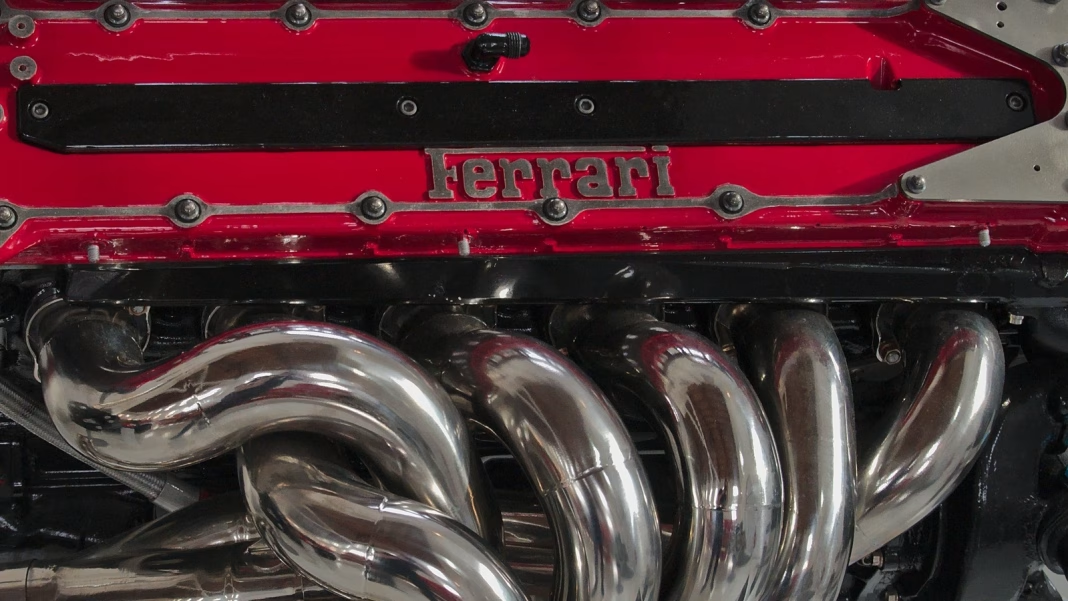
If you’ve ever watched old Formula One footage, you know the sound of a V12 engine is pure goosebumps. Those high-pitched wails, the raw power—unforgettable. So why did F1 swap those legendary V12s for the much smaller V6s? The answer isn’t as simple as you might think.
First, there’s the push for efficiency. In the 1990s and early 2000s, F1 cars ran on V12s and V10s, engines that were all about maximum power and drama. But as the world became more conscious of fuel consumption and emissions, the sport had to adapt. By 2014, the FIA (Formula One’s governing body) introduced turbocharged 1.6-liter V6 hybrid engines. The goal? To make F1 a testbed for cutting-edge, sustainable technology that could actually influence road cars.
How Did the Switch Affect Performance and Racing?
You might assume that downsizing from a V12 to a V6 would mean a drop in performance. Not so fast. Today’s V6 turbo-hybrids are marvels of engineering. They produce over 1000 horsepower when you factor in the electric motor (the MGU-K), turbocharging, and energy recovery systems. That’s more than enough to rocket an F1 car from 0 to 60 mph in under 2.5 seconds.
The real difference is in how the power is delivered. V12s were all about linear, screaming acceleration. The current V6s, with their hybrid systems, offer instant torque and clever energy deployment. It’s a different kind of excitement—less about brute force, more about precision and strategy. Teams now have to manage battery charge, deploy energy at the right moments, and outsmart their rivals on a tactical level.
What’s the Environmental Impact of Modern F1 Engines?
Formula One’s move to V6 hybrids wasn’t just about performance—it was a statement. The sport wanted to show that you can have thrilling racing and still care about the planet. According to the FIA, the current power units are the most efficient internal combustion engines ever built, converting more than 50% of fuel energy into power. For comparison, most road cars manage around 30-35%.
There’s also a push for sustainable fuels and even greater electrification. By 2026, F1 plans to introduce 100% sustainable fuel, aiming to cut the sport’s carbon footprint even further. It’s not just good PR; it’s a genuine effort to keep F1 relevant in a world that’s rapidly moving toward greener tech.
Do Fans Miss the Old V12 Sound and Drama?
Let’s be honest—nothing quite matches the spine-tingling howl of a V12 at full chat. Many fans still reminisce about the days when you could feel the engines in your chest from half a mile away. The current V6s are quieter, with a more subdued turbo whistle and electric whirr.
But the sport has gained new fans who appreciate the technical complexity and the chess match that modern F1 has become. Plus, the racing is closer than ever, with more overtakes and unpredictable strategies. Some teams, like Mercedes and Red Bull, have mastered the hybrid era, while others are still catching up. It’s a different kind of spectacle, but no less compelling.
Are V6 Engines Here to Stay in Formula One?
For now, yes. The next big regulation change in 2026 will keep the V6 format but with even more emphasis on electrification and sustainability. The engines will rely more on electric power, and the fuel will be fully renewable. The days of pure V12 thunder are gone, but the spirit of innovation is alive and well.
The big takeaway? Formula One’s engine evolution isn’t about perfection—it’s about smarter adjustments. Start with one change this week, and you’ll likely spot the difference by month’s end. Whether you’re a die-hard fan or a casual viewer, there’s something thrilling about watching the world’s fastest cars push the limits of what’s possible, both on the track and for the future of driving.