What car will have people saying “what the hell were they thinking” when they see it driving down the road in a few years? This question sparks a lively debate among car enthusiasts and casual drivers alike. As automotive design evolves, some vehicles stand out for their bold choices—choices that might not age gracefully. Let’s dive into some of the most controversial designs currently on the market and explore which ones might leave us scratching our heads in the years to come.
Are Bold Designs a Risky Gamble?
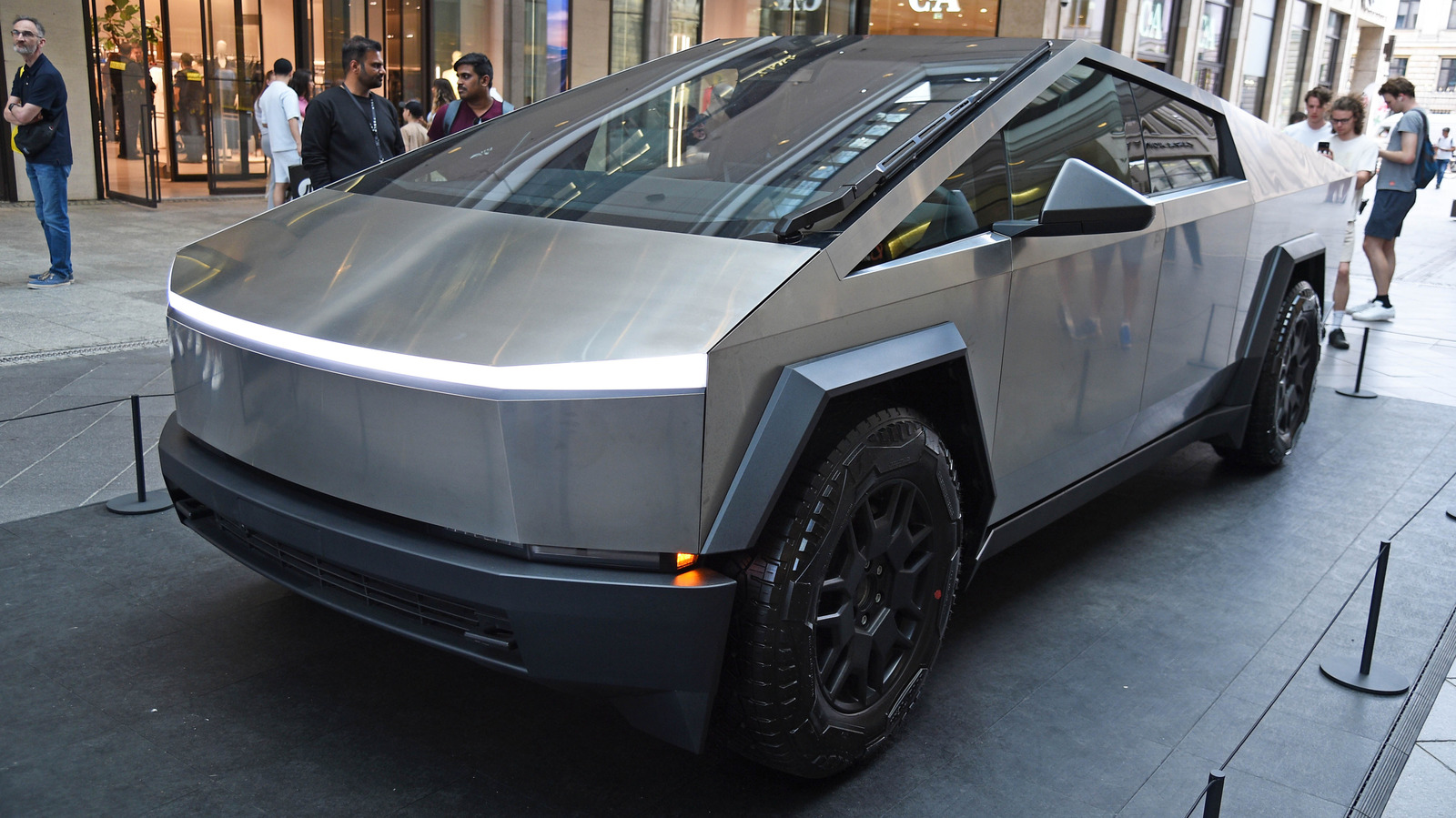
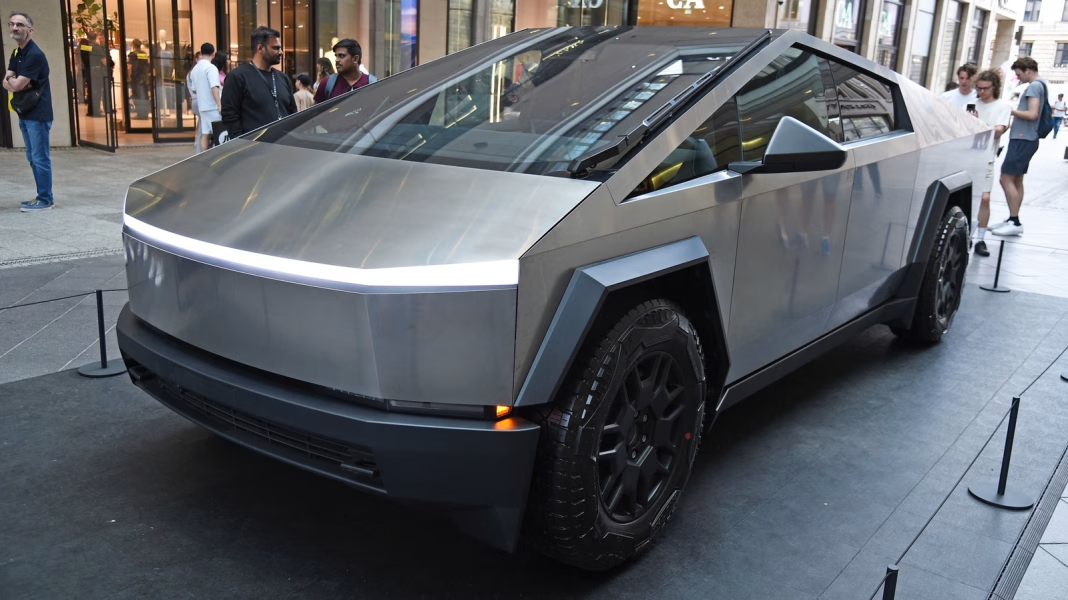
Car manufacturers often take risks with design to stand out in a crowded market. Think about the striking lines of the Tesla Cybertruck or the quirky proportions of the BMW i3. At first glance, these designs can be polarizing. Some people love them, while others can’t help but wonder what the designers were thinking. The real question is: will these bold choices stand the test of time?
Take the Cybertruck, for instance. Its angular, futuristic look is unlike anything else on the road today. While it’s certainly eye-catching, will it still look cool in a decade? Or will it be remembered as a bizarre relic of the early 2020s? History shows that many vehicles with radical designs often become outdated quickly.
What About Electric Vehicles?
Electric vehicles (EVs) are reshaping the automotive landscape, and with that comes a wave of unique designs. The Rivian R1T, for example, is a striking electric truck that blends ruggedness with modern aesthetics. But will its design still resonate with consumers in ten years? The shift toward sustainability is crucial, but if the design feels too trendy, it might not age well.
On the flip side, some EVs, like the Ford Mustang Mach-E, have managed to balance contemporary design with classic elements. This blend could help them remain appealing long after their release. It’s a fine line to walk, and manufacturers must consider how their designs will be perceived as tastes change.
Which Cars Are Already Raising Eyebrows?
Looking at the current market, a few vehicles are already raising eyebrows. The Nissan Juke, with its bulbous shape and unique front-end styling, has been a topic of conversation since its debut. While it has a dedicated fan base, many people still can’t quite wrap their heads around its looks. Fast forward a few years, and it’s easy to imagine people asking, “What were they thinking?”
Another contender is the Toyota C-HR. Its sharp angles and distinctive rear-end design have made it a standout, but will it still be considered stylish in the future? The risk with such unique designs is that they can quickly become outdated, leaving drivers feeling like they’re behind the times.
How Do Trends Influence Design?
Automotive design is heavily influenced by trends, and what’s in vogue today may not be tomorrow. The rise of retro-inspired designs, for instance, has led to cars like the Ford Bronco and the Volkswagen ID. Buzz. While these nods to the past can be charming, they also run the risk of becoming mere fads. If the trend shifts away from nostalgia, these vehicles might seem out of place.
Moreover, the push for sustainability is changing how cars are designed. Materials that are eco-friendly but less visually appealing could lead to some odd-looking vehicles in the future. As manufacturers experiment with new technologies and materials, we might see some designs that leave us wondering about their aesthetic choices.
What’s the Big Takeaway?
The big takeaway? Automotive design is a tricky business. What seems cutting-edge today can quickly become a source of confusion or even embarrassment tomorrow. As we look ahead, it’s essential to keep an eye on how current trends will evolve and how they’ll impact the vehicles we see on the road.
So, what car will have people saying “what the hell were they thinking”? It’s hard to say for sure, but one thing’s for certain: the automotive world is full of surprises. Embrace the bold, but remember—sometimes, less is more. Start with one change this week, and you’ll likely spot the difference by month’s end.