Why Did Harley-Davidson Start Making Bicycles in the First Place?
When most people think Harley-Davidson, they picture roaring engines and the open road—not a quiet ride on a bicycle. But rewind to the early 1900s, and Harley-Davidson was eyeing a very different kind of two-wheeled adventure. The motorcycle boom was still in its infancy, and the company saw an opportunity to reach a broader audience. Bicycles were everywhere, especially among young people who couldn’t yet afford a motorbike but wanted a taste of freedom. Harley’s leadership recognized that if they could get kids hooked on their brand early, they’d have loyal customers for life.
Here’s where it gets interesting: Harley didn’t have the expertise to build bicycles from scratch. Enter the Davis Sewing Machine Company, a well-established manufacturer from Dayton, Ohio. Davis had already been producing bikes for other brands, so teaming up made perfect sense. Harley-Davidson provided the brand power, and Davis brought the technical know-how. Together, they launched the Harley-Davidson bicycle line in 1917, aiming to bridge the gap between pedal power and horsepower.
What Made Harley-Davidson Bicycles Stand Out?
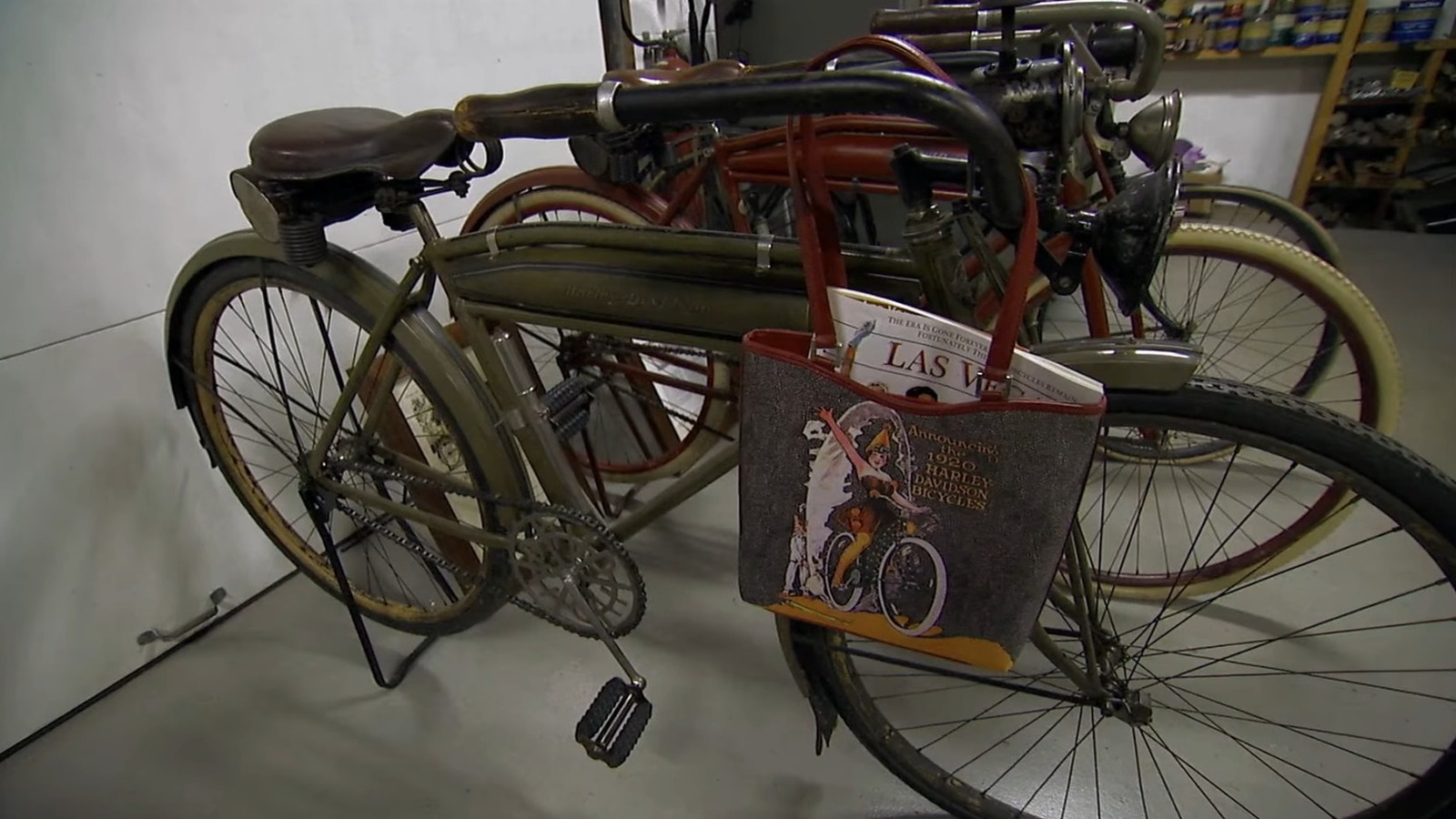
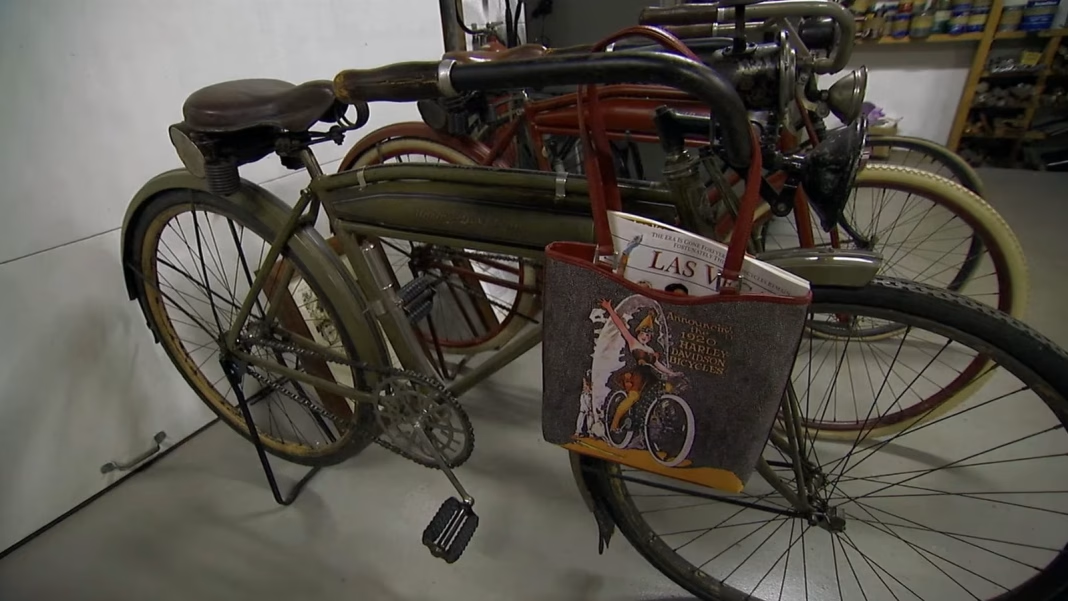
You might be wondering, what set these bikes apart from the sea of competitors? For starters, Harley-Davidson bicycles weren’t just about slapping a famous name on a frame. They were designed to echo the rugged, adventurous spirit of the motorcycles. The bikes featured sturdy steel frames, distinctive badges, and a level of craftsmanship that was a cut above the average ride. Some models even sported motorcycle-inspired details—think tank-shaped frames and bold paint schemes.
But the real secret sauce was the marketing. Harley-Davidson didn’t just sell bikes; they sold a lifestyle. Ads promised adventure, independence, and a sense of belonging to something bigger. It was a clever move, and it worked—at least for a while. By 1918, Harley-Davidson bicycles were popping up in catalogs and showrooms across the country, and young riders couldn’t get enough.
How Did the Partnership with a Sewing Machine Company Shape the Bikes?
It’s not every day you hear about a motorcycle icon teaming up with a sewing machine maker. Yet, Davis Sewing Machine Company was no stranger to the bicycle world. Their experience in precision engineering and mass production meant Harley’s bikes were built to last. Davis handled the manufacturing, ensuring each bike met the high standards expected of anything bearing the Harley-Davidson name.
This partnership also allowed Harley to scale quickly. Instead of building a new factory or hiring a whole new workforce, they leveraged Davis’s existing infrastructure. The result? A line of bicycles that could compete on quality and price, all while carrying the cachet of the Harley brand. It was a win-win—at least until the winds of change started blowing.
Why Did Harley-Davidson’s Bicycle Venture Fade Away?
If Harley-Davidson bicycles were so promising, why aren’t they everywhere today? The answer comes down to timing and shifting priorities. By the early 1920s, the motorcycle business was booming, and Harley’s leadership decided to double down on what they did best. Meanwhile, the bicycle market was getting crowded, and profit margins were shrinking. Davis Sewing Machine Company itself ran into financial trouble, eventually closing its doors in 1922. Without their manufacturing partner, Harley-Davidson quietly exited the bicycle business.
There’s also the matter of brand identity. As motorcycles became more affordable and accessible, Harley-Davidson realized their true strength was in the rumble of an engine, not the whir of a chain. They chose to focus on building the world’s most iconic motorcycles—and the rest, as they say, is history.
Are Any Harley-Davidson Bicycles Still Around Today?
Believe it or not, a handful of these rare bikes have survived the decades. Collectors prize them for their unique blend of motorcycle swagger and early 20th-century craftsmanship. At auctions, original Harley-Davidson bicycles can fetch tens of thousands of dollars, depending on condition and provenance. They’re a tangible link to a fascinating chapter in the company’s story—one that most people have never even heard about.
If you ever spot one in the wild (say, at a vintage bike show or tucked away in a museum), take a closer look. You’ll see echoes of the Harley spirit in every detail, from the bold logo to the solid build. It’s a reminder that even the biggest legends sometimes start with a simple idea and a bit of pedal power.
What Can We Learn from Harley-Davidson’s Forgotten Bicycle Era?
So, what’s the real lesson here? Harley-Davidson’s foray into bicycles is more than just a quirky footnote. It’s a testament to the power of brand vision, smart partnerships, and knowing when to pivot. The company wasn’t afraid to experiment, to reach new audiences, or to walk away when the timing was right. That willingness to adapt is a big part of why Harley-Davidson is still a household name over a century later.
The big takeaway? Reinvention isn’t about perfection—it’s about smarter adjustments. Start with one change this week, and you’ll likely spot the difference by month’s end.