What Makes Harley-Davidson Motorcycles Vibrate So Much?
If you’ve ever stood next to a Harley-Davidson at a stoplight, you know the feeling: the whole bike seems to pulse with a deep, rhythmic thump. Some riders love it—others, not so much. So what’s behind that unmistakable vibration, and why do Harley fans swear by it?
Why Do Harley Engines Feel So Different from Other Motorcycles?
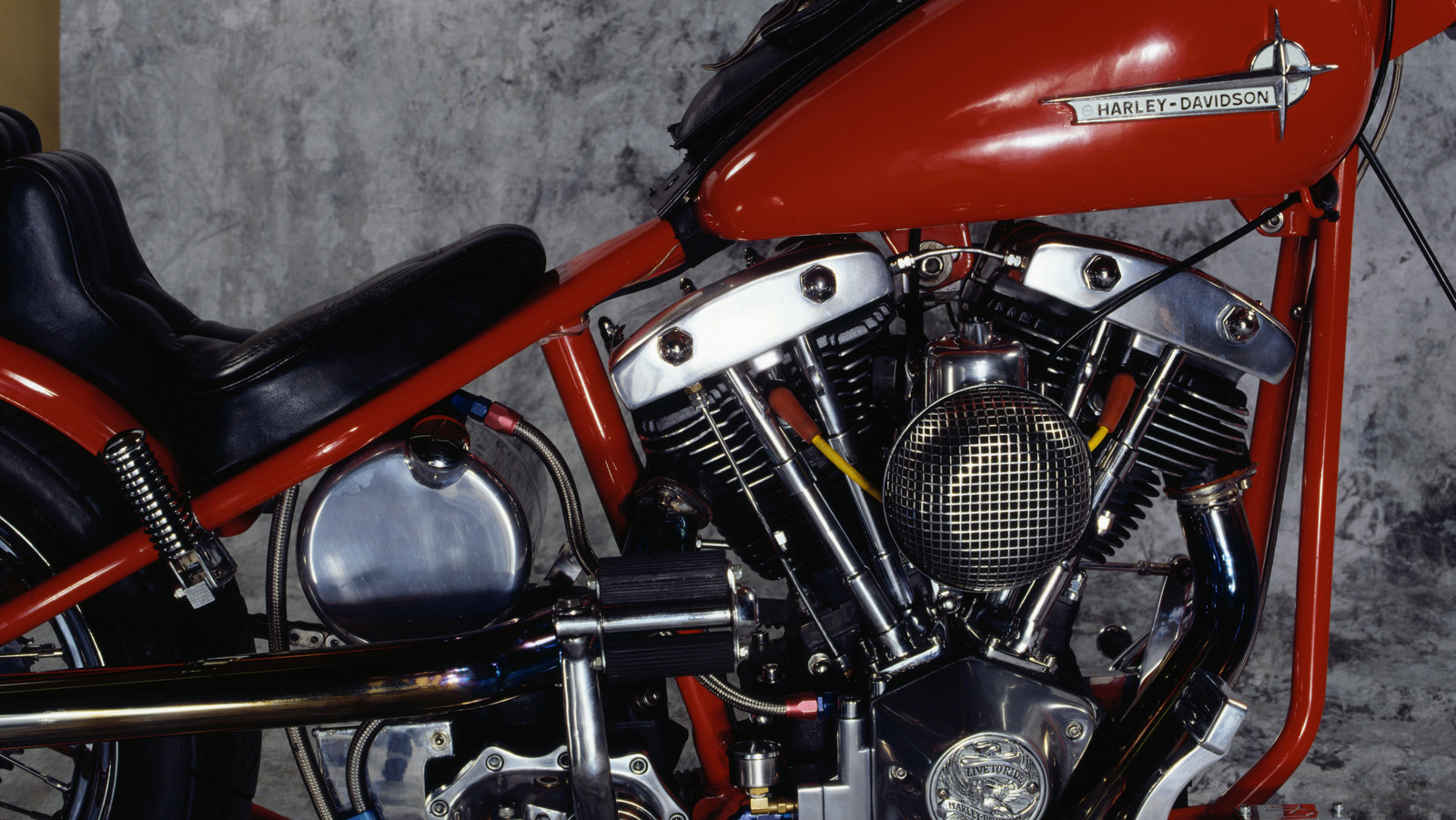
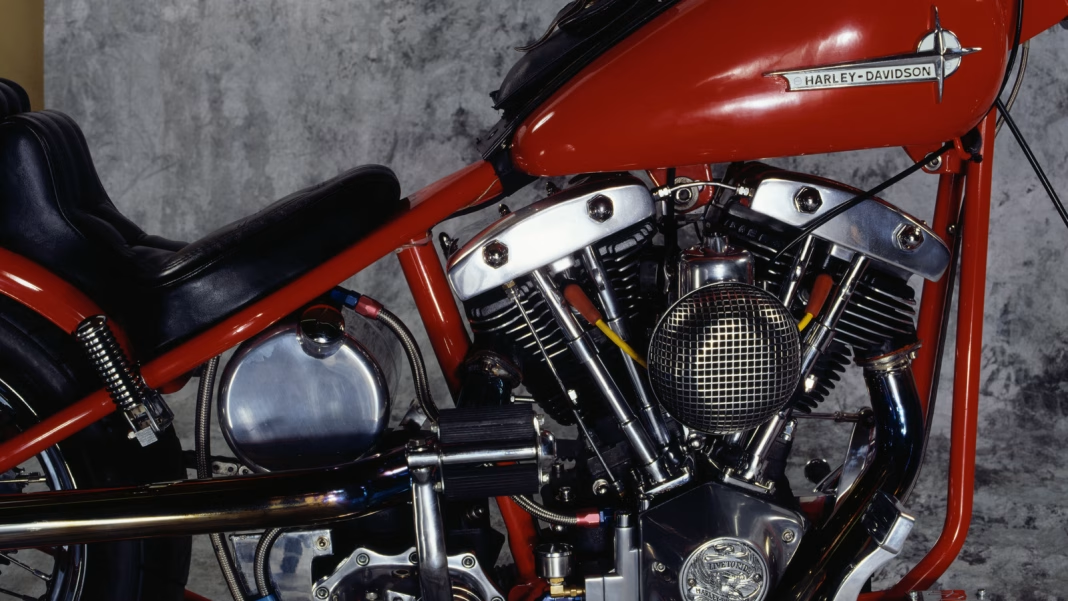
Harley-Davidson’s signature rumble comes down to its unique V-twin engine design. Unlike many modern motorcycles that use parallel twins or inline-fours, Harley sticks with a 45-degree V-twin. That angle isn’t just a stylistic choice—it’s a big part of the bike’s character.
Here’s the deal: in a 45-degree V-twin, the two pistons share a single crankpin. That means when one piston fires, the other is right behind it, leading to uneven firing intervals. The result? Instead of a smooth, even purr, you get that iconic potato-potato sound and a whole lot of vibration. It’s not the most efficient setup, but it’s pure Harley.
How Does Engine Mounting Affect the Ride?
It’s not just the engine design. The way the engine is mounted to the frame also plays a huge role. For decades, Harley engines were bolted directly to the frame—no rubber bushings, no isolation. That meant every pulse from the engine traveled straight into the handlebars and seat.
In the 1980s, Harley introduced rubber-mounted engines on some models to cut down on the shake. But even today, many Harleys still let you feel the heartbeat of the engine. For loyalists, that’s non-negotiable. They’ll tell you it’s like riding a living, breathing machine.
Is Vibration a Flaw or a Feature?
To outsiders, the vibration might seem like a design flaw. But for Harley enthusiasts, it’s a feature, not a bug. That visceral thump is part of the emotional connection with the bike. It’s a reminder that you’re riding something mechanical, not just a soulless machine.
There’s even some science to back this up. Studies in motorcycle ergonomics have shown that a certain level of vibration can actually enhance the riding experience for some people, making them feel more engaged and alert. Of course, too much can lead to fatigue or numb hands, so it’s a fine line.
What About Modern Technology—Has Harley Tried to Tone It Down?
Harley-Davidson has experimented with ways to reduce vibration, especially as they try to attract new riders. The Milwaukee-Eight engine, for example, uses counterbalancers to smooth things out at higher RPMs. Some touring models are downright plush compared to the old days.
Still, Harley knows its core audience. They’re careful not to engineer out that signature feel completely. It’s a balancing act between comfort and authenticity, and they walk it with every new model.
Are There Health Concerns with All That Shaking?
Let’s be real—prolonged exposure to heavy vibration isn’t great for your body. Medical research has linked long-term vibration to issues like hand-arm vibration syndrome (HAVS) and numbness. That’s why some riders opt for padded grips or aftermarket seats to take the edge off.
But for most weekend riders, the risk is pretty low. If you’re logging serious miles, it’s smart to take breaks, stretch, and pay attention to how your body feels. Harley’s newer bikes do a better job of isolating the worst of it, but the thump is still there.
Why Do Harley Riders Love the Vibration So Much?
It’s about identity. For many, riding a Harley is as much about the experience as the destination. The vibration is a physical reminder that you’re part of a long tradition—one that values character over clinical perfection.
There’s also a social element. Pull up to a bike night, and you’ll see riders comparing notes on which model shakes the most, or swapping stories about the quirks of their old Shovelhead. It’s a shared language, and the vibration is the accent.
The Big Takeaway
Harley-Davidson’s signature vibration isn’t about technical perfection—it’s about personality. That thump is woven into the brand’s DNA, and for many, it’s what makes the ride unforgettable. If you’re curious, try one for yourself. Start with a short ride, and you might just find that the thing you thought was a flaw is actually the magic.