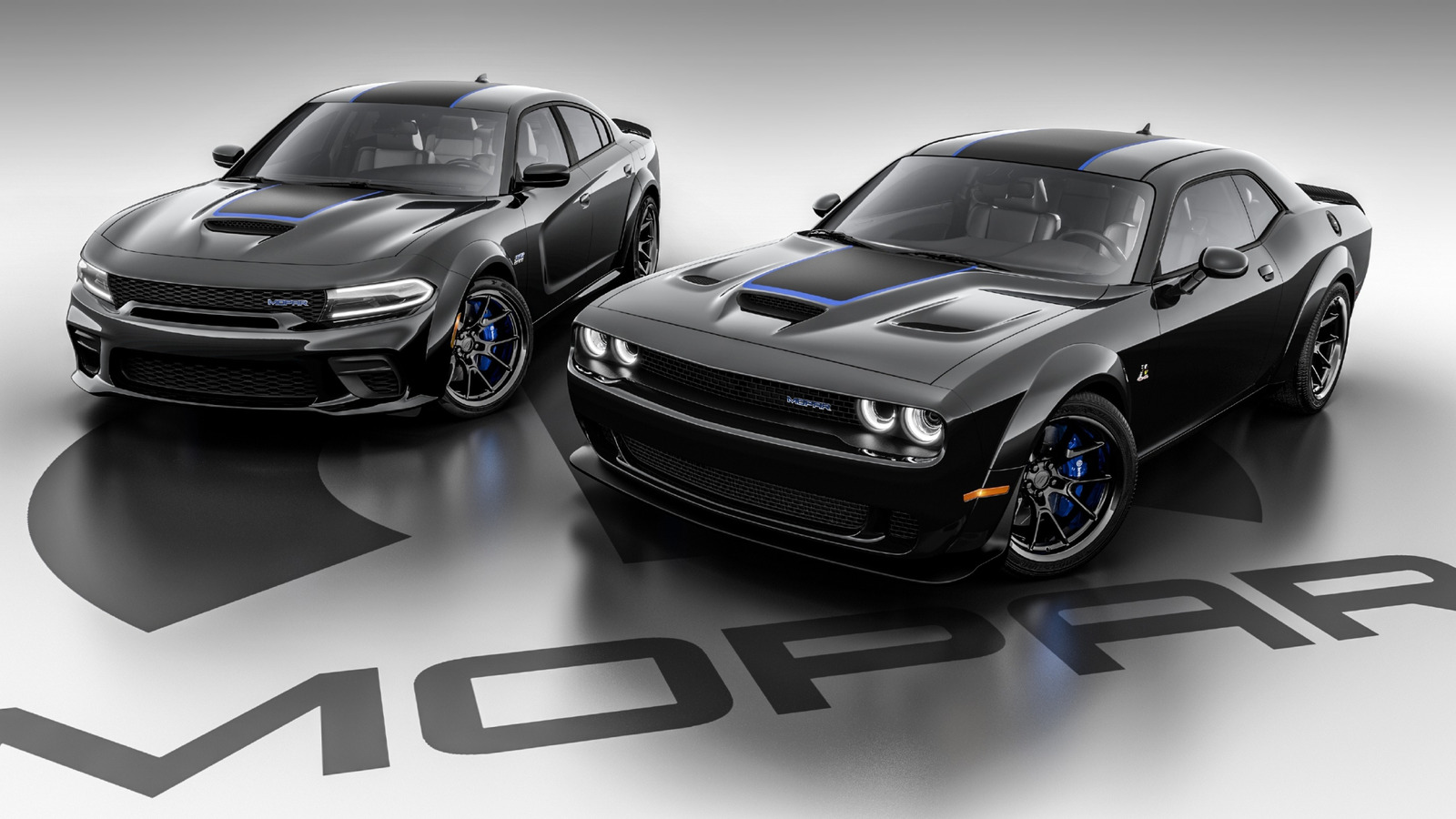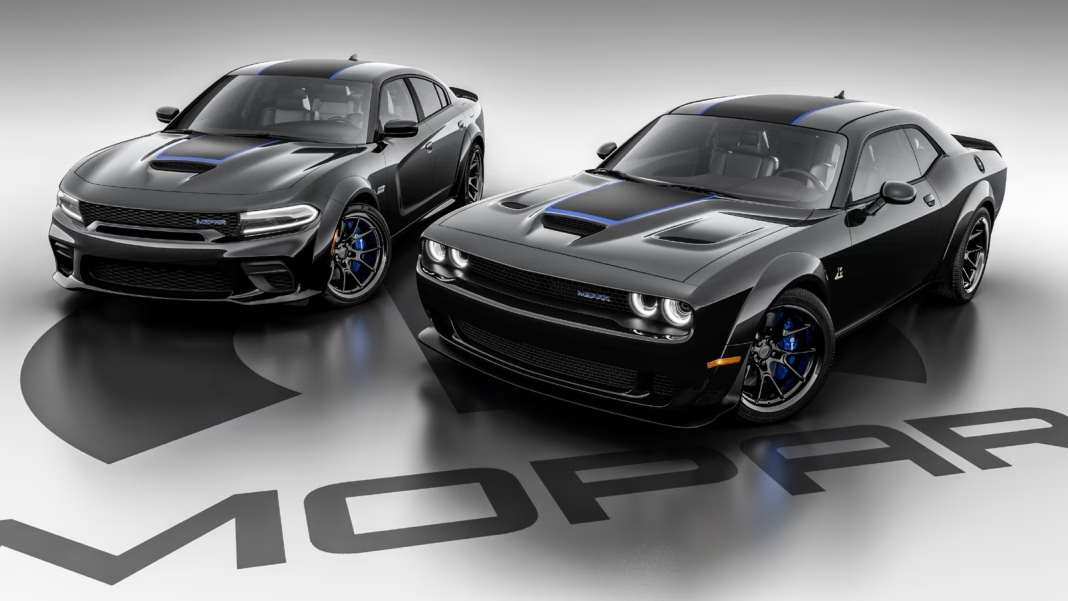
How Did a 1920s Antifreeze Brand Become Synonymous with Muscle Cars?
Picture this: the roaring 1920s, when cars were still a novelty and most folks worried more about their radiators freezing than about horsepower. Back then, an antifreeze brand quietly entered the market, focused on solving a very practical problem. Fast forward a few decades, and that same brand’s name is plastered across the hoods of muscle cars, echoing through drag strips and car shows. How did a humble coolant end up as a badge of honor for speed enthusiasts?
What Sparked the Shift from Utility to Icon?
It all started with necessity. Early automobiles were notoriously finicky, especially in cold weather. Antifreeze wasn’t just helpful—it was essential. The brand in question built a reputation for reliability, becoming a staple in garages across America. But as the decades rolled on, the automotive landscape changed. The 1960s and 70s ushered in the golden era of muscle cars, and with it, a culture obsessed with power, performance, and style.
Here’s where things get interesting. Car culture isn’t just about what’s under the hood; it’s about identity. Drivers began customizing their rides, not just for speed, but for personality. The antifreeze brand, already trusted by mechanics and racers, started popping up on decals, jackets, and even as a sponsor at racing events. The association snowballed—what began as a practical product became a symbol of authenticity and grit.
Why Did Car Enthusiasts Embrace This Brand?
There’s a certain poetry in how gearheads adopt and adapt symbols. For many, slapping that antifreeze logo on their muscle car wasn’t about advertising a coolant—it was about signaling membership in a tribe. It said, “I know my way around an engine bay. I care about what keeps my machine running.” Over time, the brand’s name became shorthand for mechanical know-how and a no-nonsense approach to performance.
This wasn’t just clever marketing. It was organic. Word of mouth, grassroots racing, and a genuine connection to the DIY spirit of car culture all played a role. The antifreeze brand’s involvement in motorsports—supplying products, sponsoring events, and supporting local racers—cemented its reputation. It wasn’t just a sticker; it was a badge of honor.
Are There Other Brands with Similar Journeys?
Absolutely. The automotive world is full of brands that started with a single purpose and ended up as cultural icons. Think of how spark plug or oil companies have become synonymous with reliability and performance. But the antifreeze brand’s story stands out because it wasn’t flashy or glamorous—it was practical. And sometimes, practicality is the most powerful statement of all.
What Can We Learn from This Unlikely Evolution?
Brand identity is a living thing. It evolves, often in ways no one could predict. The story of this antifreeze brand shows that authenticity and utility can outlast trends. When a product genuinely solves a problem and becomes part of people’s lives, it can take on a life of its own. That’s how a name meant to fight winter’s chill ended up roaring down the quarter-mile.
The big takeaway? Reinvention isn’t about perfection—it’s about smarter adjustments. Start with one change this week, and you’ll likely spot the difference by month’s end.