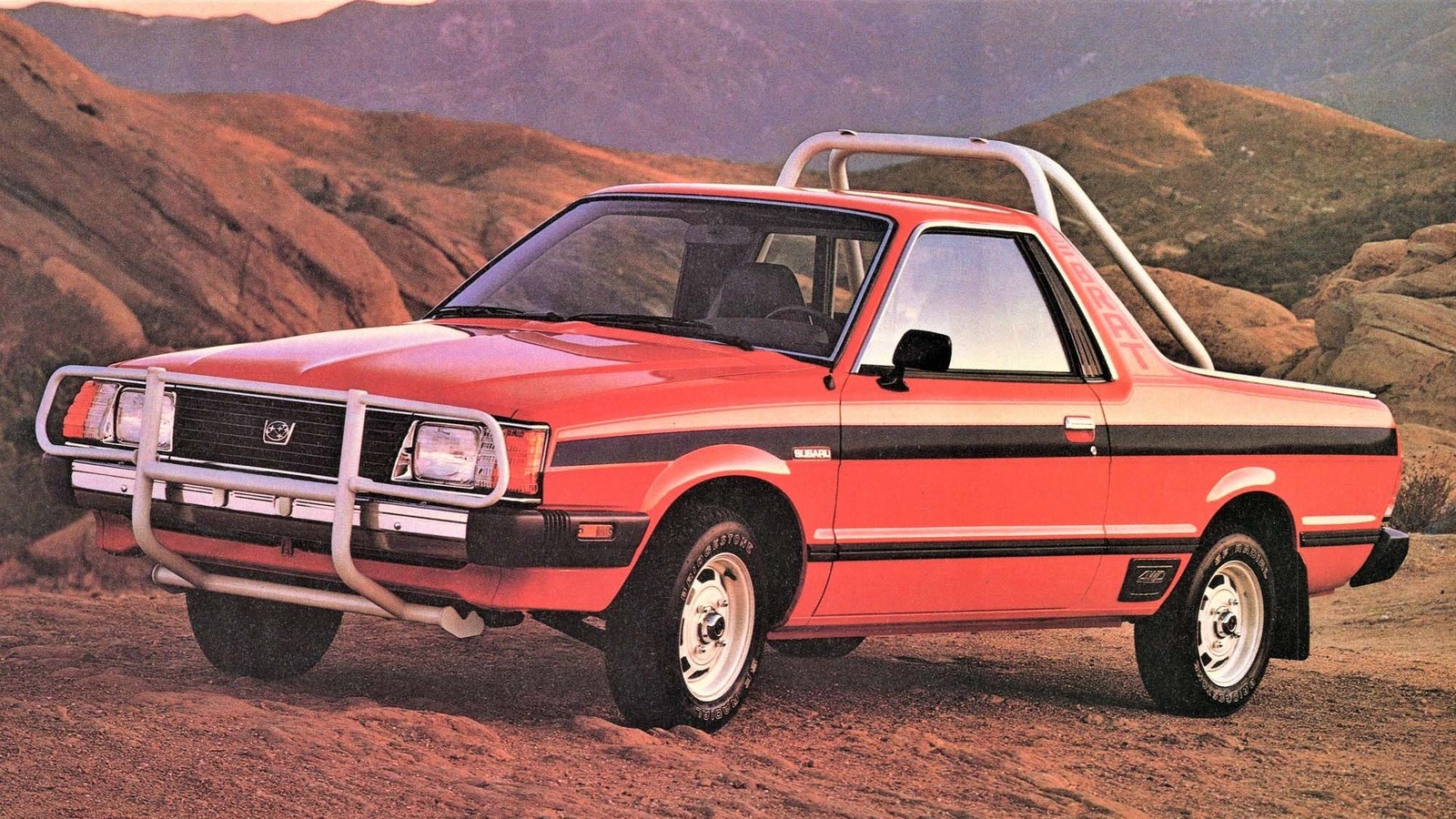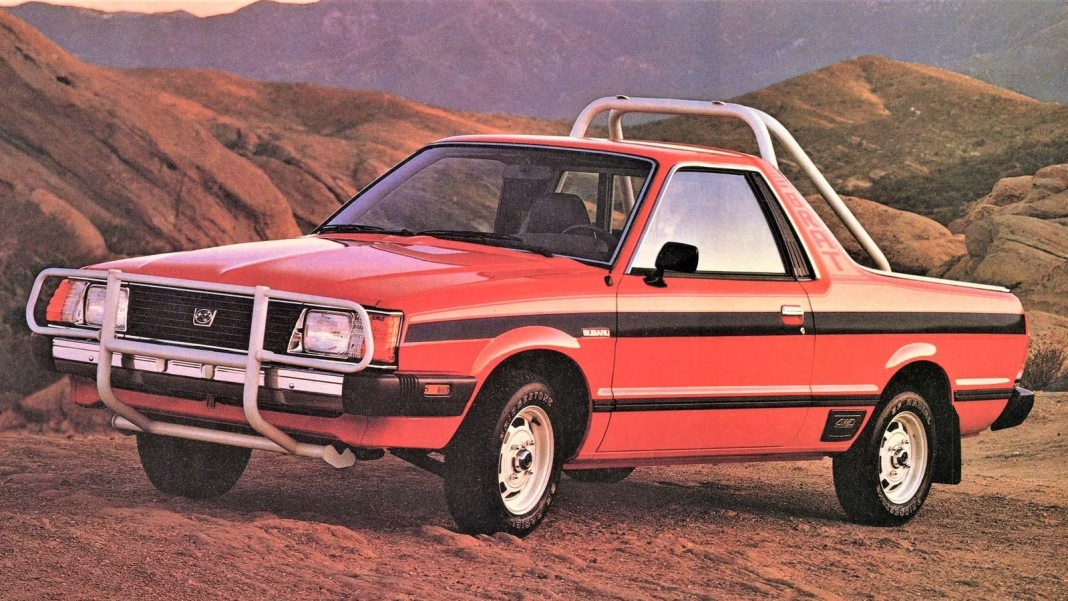
What Was the Subaru BRAT and Why Did It Stand Out?
When you hear the word BRAT, you might think of a mischievous kid, but car enthusiasts know it as something entirely different—a quirky little pickup truck that made waves in the late 1970s and early 1980s. The Subaru BRAT (short for Bi-drive Recreational All-terrain Transporter) wasn’t just another compact truck. It was a clever response to both American tastes and a tricky tax situation, wrapped up in a package that’s still fondly remembered by collectors and off-road fans alike.
How Did the BRAT Get Its Unusual Name?
Let’s be honest, BRAT isn’t the most obvious name for a pickup. Subaru wanted to capture the adventurous spirit of their new vehicle, so they landed on Bi-drive Recreational All-terrain Transporter. It’s a mouthful, sure, but it told buyers exactly what they were getting: a fun, versatile ride that could handle a weekend camping trip or a muddy backroad. The name stuck, and the BRAT quickly became a cult favorite, especially among drivers who wanted something a little different from the usual American pickups.
What Made the BRAT Different From Other Pickups of Its Time?
The BRAT’s most iconic feature? Those rear-facing jump seats in the truck bed. They looked a bit like something out of a theme park ride, but there was a method to the madness. Unlike most compact trucks, the BRAT came standard with four-wheel drive, making it a hit with outdoor enthusiasts. Its small size meant it could squeeze into tight spots where bigger trucks couldn’t go, and the lightweight build translated to surprisingly nimble handling.
But those jump seats weren’t just for show. They were Subaru’s secret weapon in a battle against the infamous Chicken Tax—a 25% tariff on imported light trucks that had been around since the 1960s. By bolting in a pair of plastic seats and calling the BRAT a passenger vehicle, Subaru slashed the import tax down to just 2.5%. The result? A more affordable, fun-to-drive trucklet that stood out in a crowded market.
How Did the BRAT Help Subaru Dodge U.S. Import Taxes?
Here’s where things get interesting. The Chicken Tax was originally designed to protect American truck manufacturers by making imported pickups much more expensive. Subaru, like many foreign automakers, wanted to sell trucks in the U.S. without getting hammered by tariffs. Their solution was both simple and ingenious: add those rear-facing seats, reclassify the BRAT as a passenger car, and avoid the 25% tax.
This clever workaround saved Subaru—and their customers—a lot of money. It also helped the BRAT carve out a unique niche, since no other truck on the market had anything quite like those jump seats. According to automotive historians, this move not only boosted Subaru’s sales but also inspired other automakers to get creative with their own import strategies.
Did the BRAT Actually Catch On With American Drivers?
You bet. While the BRAT was never a top seller compared to full-size pickups, it developed a loyal following among young drivers, outdoorsy types, and anyone who wanted a vehicle that didn’t take itself too seriously. The BRAT’s combination of affordability, off-road capability, and quirky charm made it a hit in certain circles. Even today, you’ll find BRATs at car shows and off-road events, often lovingly restored by fans who appreciate their oddball appeal.
A 2022 report from Hagerty, a respected authority in the collector car world, notes that interest in vintage BRATs has been on the rise, with well-preserved examples fetching higher prices at auction. That’s a testament to the truck’s enduring legacy and the nostalgia it inspires among those who remember its heyday.
What Lasting Impact Did the Subaru BRAT Have on the Auto Industry?
The BRAT’s story is more than just a footnote in automotive history. It’s a reminder of how creativity and a willingness to bend the rules can lead to something truly memorable. Subaru’s clever tax-dodging strategy paved the way for other automakers to think outside the box, and the BRAT’s blend of fun and functionality helped shape the compact truck segment for years to come.
The big takeaway? The Subaru BRAT isn’t about perfection—it’s about smarter adjustments. Start with one change this week, and you’ll likely spot the difference by month’s end. Sometimes, a little ingenuity is all it takes to turn a challenge into an icon.