How Did a Simple Racing Game Become a Secret Weapon for F1 and Car Companies?
It’s wild to think that a game once played in bedrooms and basements is now shaping the future of motorsport and automotive technology. But that’s exactly what’s happened with sim racing tools like rFactor and iRacing. What started as a way for anyone to experience the thrill of racing has quietly become a cornerstone in the training regimens of Formula 1 drivers and the development labs of major car manufacturers. So, how did we get here?
Why Are Professional Drivers Turning to Sim Racing?
Let’s face it: real-world track time is expensive, logistically tricky, and sometimes downright impossible—especially when you’re dealing with unpredictable weather or a packed race calendar. Enter sim racing. These platforms offer hyper-realistic physics, laser-scanned tracks, and customizable setups that let drivers practice every corner, every braking zone, without burning a drop of fuel.
Take Lewis Hamilton, for example. He’s spoken about using simulators to fine-tune his performance before a big race. And it’s not just F1 stars—up-and-coming drivers are logging thousands of virtual laps to sharpen their instincts and reaction times. According to a 2023 report from Motorsport.com, more than 80% of current F1 drivers regularly use sim racing as part of their training. The result? A new generation of racers who are as comfortable behind a screen as they are behind the wheel.
How Are Car Companies Using Sim Racing to Build Better Vehicles?
It’s not just the drivers who are getting in on the action. Car manufacturers have realized that sim racing tools can dramatically speed up the development process. Instead of building expensive prototypes for every tweak, engineers can test new aerodynamics, suspension setups, and even tire compounds in a virtual environment first.
Porsche, for instance, has integrated sim racing into its R&D workflow. By simulating how a car handles under different conditions, their engineers can identify potential issues long before a physical car hits the track. This approach isn’t just faster—it’s also safer and more cost-effective. According to a 2022 study by the Society of Automotive Engineers, virtual testing can reduce development costs by up to 30% and cut months off the timeline for bringing a new model to market.
Can Sim Racing Really Train Self-Driving Cars?
Here’s where things get really interesting. The same technology that’s helping drivers and engineers is now being used to teach autonomous vehicles how to handle the real world. Self-driving car companies feed their AI systems with millions of simulated miles, exposing them to rare scenarios—think sudden downpours, unexpected obstacles, or erratic drivers—that would be tough (and risky) to replicate on public roads.
Waymo and other industry leaders have credited advanced simulation tools with accelerating their progress. By running countless virtual tests, they can refine their algorithms and improve safety without putting anyone in harm’s way. It’s a bit like a dress rehearsal for the open road.
What Makes Sim Racing So Realistic—and Why Does That Matter?
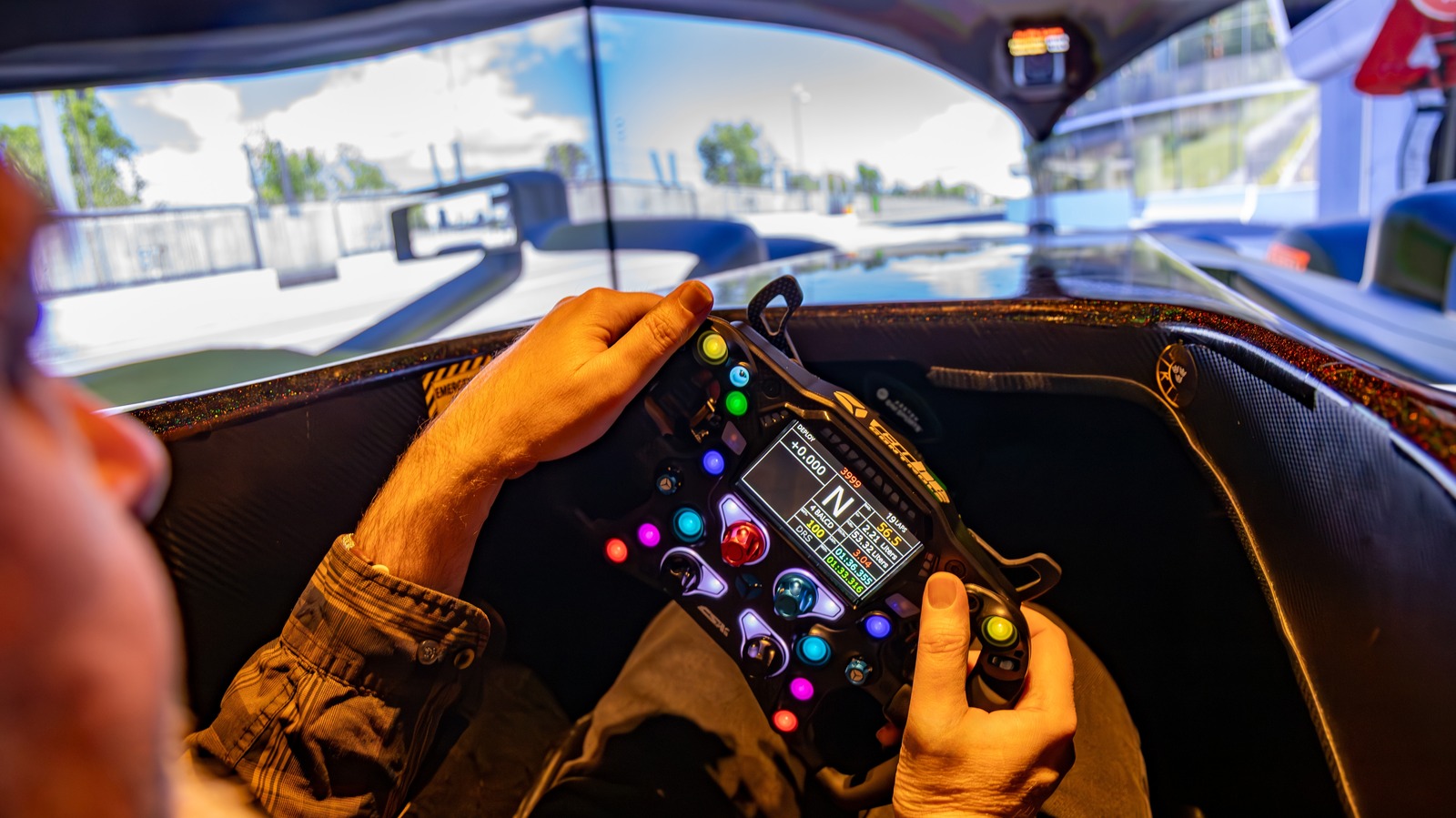
If you haven’t tried a modern sim racing setup, you might be surprised by just how immersive it’s become. We’re talking force-feedback steering wheels, motion rigs that mimic the g-forces of a real car, and graphics so sharp you’ll swear you can smell the burning rubber. But it’s not just about the bells and whistles. The underlying physics engines are meticulously calibrated using real-world data, so every slide, bump, and tire squeal feels authentic.
This level of realism is crucial. It means that skills developed in the simulator translate directly to the track. When a driver nails a lap at Silverstone in the sim, they’re building muscle memory and decision-making habits that carry over to race day. And for engineers, it means the data they collect is genuinely useful for refining car designs.
Are There Any Drawbacks or Limitations to Sim Racing?
Of course, no technology is perfect. Sim racing can’t fully replicate the physical sensations of high-speed racing—the smell of fuel, the vibration through your seat, the adrenaline rush when you’re inches from disaster. And while the physics are impressive, there are still edge cases where the virtual world doesn’t quite match reality.
Some critics also worry about the digital divide. Not everyone has access to high-end sim rigs, which can cost thousands of dollars. That said, the technology is becoming more accessible every year, with affordable setups and even mobile options bringing sim racing to a wider audience.
What’s Next for Sim Racing in Motorsports and Beyond?
The line between virtual and real-world racing is only going to get blurrier. We’re already seeing sim racers making the jump to professional motorsport—drivers like Jann Mardenborough, who went from winning online competitions to racing at Le Mans. And as simulation technology continues to evolve, expect even more collaboration between game developers, car companies, and racing teams.
There’s also a growing movement to use sim racing for fan engagement and education. Virtual events let fans compete on the same tracks as their heroes, and some schools are even using racing sims to teach STEM concepts in a hands-on way.
The big takeaway? Sim racing isn’t about perfection—it’s about smarter adjustments. Start with one change this week, and you’ll likely spot the difference by month’s end. Whether you’re chasing a podium finish or just looking to improve your driving skills, the virtual track is open—and the possibilities are endless.