How Did Boeing’s 747 Secrets End Up in Soviet Hands Over Dinner?
Picture this: Paris, late 1960s. The city glows with the kind of energy only found after dark, when business blends with pleasure and every corner café could be hiding a secret. At one of those tables, Boeing’s chief engineer is deep in conversation—not with colleagues, but with Soviet representatives. It sounds like something straight out of a Cold War thriller, but this was real life. And that night, the Soviets left with more than just a good meal—they walked away with crucial details about the Boeing 747, scribbled on napkins.
Why Was the 747 So Important to the Soviets?
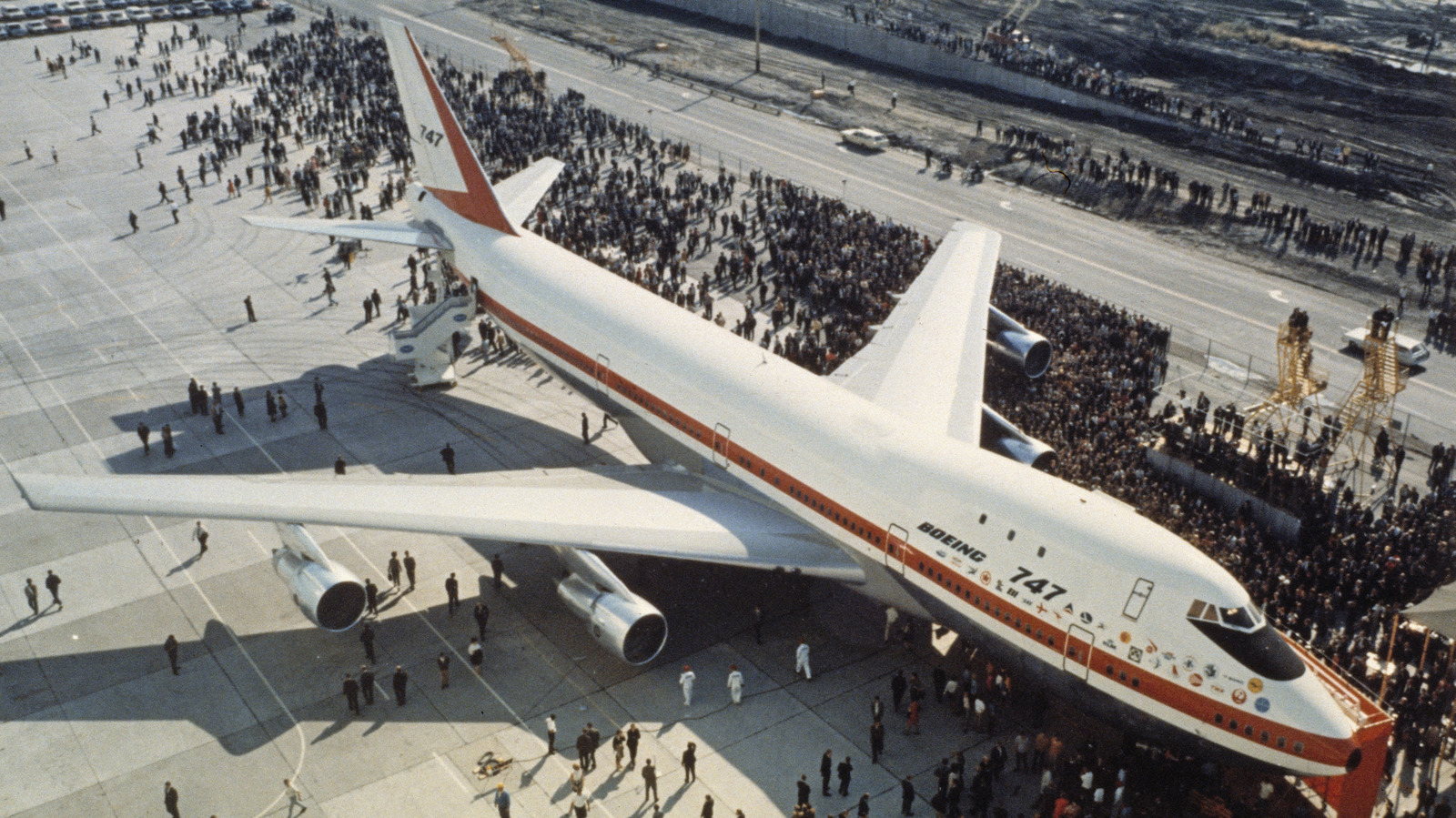
Back then, the Boeing 747 wasn’t just another airplane. It was a leap forward in aviation, a symbol of American technological prowess. The Soviets, eager to match or surpass Western advancements, were desperate for insights. Their own aerospace industry was formidable, but the 747’s design—its size, range, and efficiency—was a game-changer. Gaining access to its secrets could shave years off Soviet research and development.
What Actually Happened in That Paris Restaurant?
The meeting itself was almost casual. No trench coats or coded messages, just a dinner between professionals. But beneath the surface, the stakes were sky-high. According to declassified accounts and aviation historians, the Soviets skillfully steered the conversation toward technical details. The Boeing engineer, perhaps lulled by the informal setting or the camaraderie of fellow engineers, let his guard down. He began jotting diagrams and notes on napkins—details about the 747’s structure, engines, and avionics.
Those napkins didn’t stay on the table for long. The Soviets quietly pocketed them, knowing they’d just acquired a treasure trove of information. It’s a classic example of how espionage isn’t always about gadgets or high-speed chases. Sometimes, it’s just about being in the right place, asking the right questions, and knowing when to listen.
How Did This Leak Impact the Aviation Race?
The fallout was immediate and far-reaching. Within a few years, the Soviets rolled out the Ilyushin Il-86, their answer to the 747. While it never quite matched the American giant in terms of commercial success or technical sophistication, the Il-86’s design bore unmistakable traces of Western influence. Aviation experts have long pointed to similarities in the wing structure and overall configuration.
This wasn’t an isolated incident, either. The Cold War era was rife with stories of industrial espionage, as both sides sought any edge they could get. But the Paris dinner stands out because it was so human—no cloak-and-dagger, just a conversation that changed the course of aviation history.
What Lessons Can Today’s Engineers and Companies Learn?
Fast-forward to today, and the stakes are just as high—if not higher. Intellectual property theft costs the global economy hundreds of billions of dollars annually, according to the U.S. Chamber of Commerce. The methods may have evolved (think cyberattacks instead of napkin sketches), but the core lesson remains: information is power, and it’s often most vulnerable in informal settings.
Companies now invest heavily in security training, reminding employees that a casual chat over dinner can have serious consequences. The Paris incident is a case study in why vigilance matters, not just in the boardroom but everywhere business is done.
Could Something Like This Happen Again?
Absolutely. In fact, it already does—just with new tools and tactics. Social engineering, phishing, and insider threats are the modern equivalents of that Paris dinner. The human element is still the weakest link in any security chain. All it takes is one moment of carelessness, and sensitive information can walk out the door.
The big takeaway? Protecting trade secrets isn’t about perfection—it’s about smarter adjustments. Start with one change this week, whether it’s a refresher on security protocols or simply being more mindful during off-the-clock conversations. You’ll likely spot the difference by month’s end.