How Did Formula 1 Teams Refuel Cars So Fast?
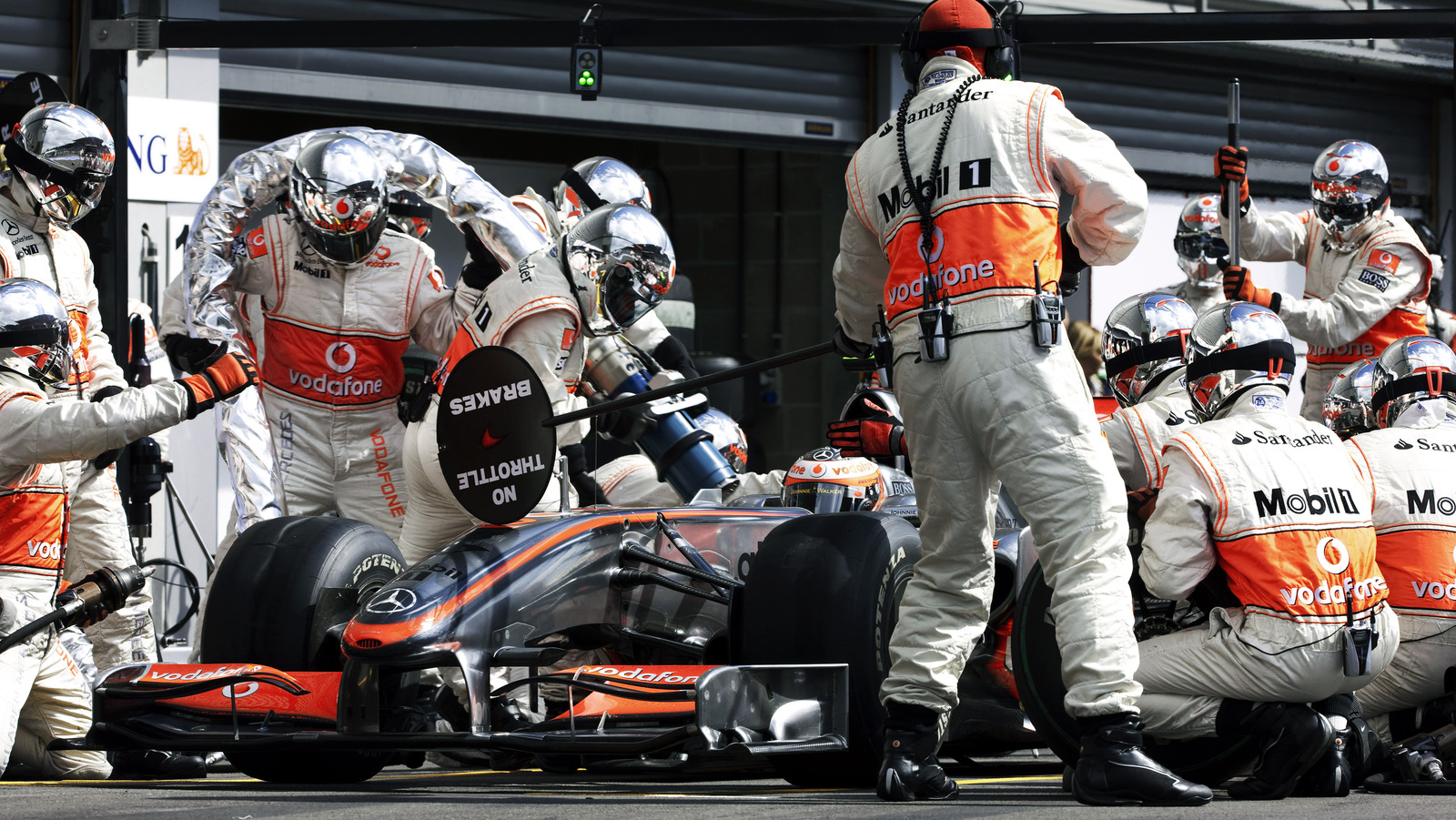
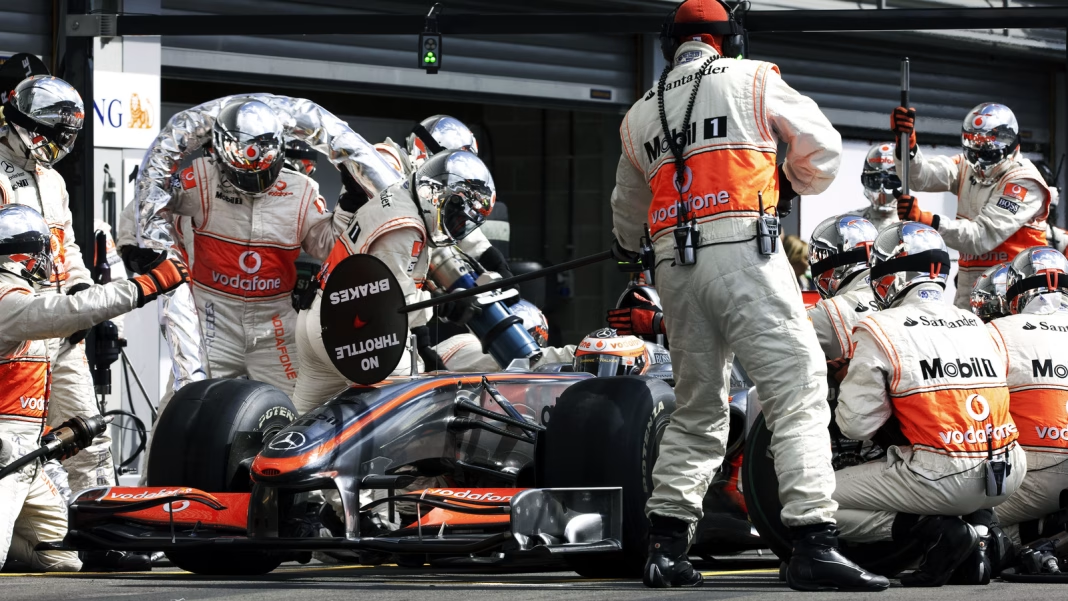
If you’ve ever watched a Formula 1 race from the late 1980s through the 2000s, you probably remember the pit stops. Blink and you’d miss it: tires changed, fuel tanks topped up, drivers roaring back onto the track in a matter of seconds. But how did teams manage to pump dozens of liters of fuel into a car faster than you could fill up your sedan at the local gas station?
The secret was purpose-built technology. F1 teams used high-pressure fuel rigs designed to deliver fuel at astonishing rates—sometimes over 12 liters per second. For context, a typical gas station pump dispenses fuel at about 0.5 liters per second. These rigs relied on pressurized systems and dry-break couplings, which created a tight seal and minimized spillage. The result? Pure magic. A full refuel could take less than 10 seconds, shaving precious time off every pit stop.
What Made F1 Refueling So Risky?
With all that speed came a hefty dose of danger. Imagine forcing flammable liquid into a hot car surrounded by mechanics, all in a high-stakes environment where every millisecond counts. It’s a recipe for trouble.
There were several high-profile incidents that highlighted the risks. In 1994, Jos Verstappen’s car erupted in flames during a pit stop at Hockenheim when fuel sprayed onto the bodywork and ignited. Thankfully, the crew escaped serious injury, but the footage was enough to make anyone’s heart skip a beat. And that wasn’t an isolated case—fuel spills, fires, and near-misses became all too common as teams pushed the limits of speed and safety.
Why Did Formula 1 Ban Refueling?
By 2010, the governing body of Formula 1 decided enough was enough. The risks simply outweighed the benefits. The FIA cited safety as the main reason for the ban, but there were other factors too. Refueling added complexity and cost, and it sometimes led to processional racing, where teams relied on pit strategy rather than on-track overtaking.
The ban also leveled the playing field. Without refueling, teams had to design cars that could carry enough fuel for an entire race, which changed the dynamics of car setup and race strategy. According to FIA data, the number of pit lane fires dropped to virtually zero after the ban, and the focus shifted back to driver skill and tire management.
How Did the Ban Change Race Strategy and Car Design?
The end of refueling didn’t just make things safer—it fundamentally changed the sport. Teams now had to balance the weight of a full fuel tank against the need for speed. Cars at the start of a race were heavier and slower, but as fuel burned off, lap times improved. This forced drivers to think differently about tire wear, overtaking, and when to push for the fastest laps.
Aerodynamics and fuel efficiency became even more important. Engineers started squeezing every drop of performance from hybrid power units and lightweight materials. The result? Modern F1 cars are some of the most efficient racing machines ever built, with some teams achieving thermal efficiency rates above 50 percent—far higher than most road cars.
Could Refueling Ever Return to F1?
There’s ongoing debate about whether refueling should make a comeback. Some argue it would spice up strategy and bring back the drama of lightning-fast pit stops. Others point to the safety risks and environmental concerns—after all, F1 is pushing hard to become more sustainable, with plans for fully sustainable fuels by 2026.
Experts like Ross Brawn, former F1 managing director, have said that reintroducing refueling would add cost and complexity without significantly improving the racing. Recent fan surveys show a split audience: some miss the spectacle, while others prefer the current focus on tire strategy and driver skill.
What’s the Big Takeaway for F1 Fans?
F1’s refueling era was thrilling, dangerous, and unforgettable—a testament to how far teams will go for a competitive edge. But the sport’s shift away from refueling wasn’t just about avoiding disaster; it was about evolving toward smarter, safer, and more sustainable racing.
The big takeaway? Formula 1 isn’t about perfection—it’s about smarter adjustments. Start with one change this week, and you’ll likely spot the difference by month’s end.