What Made the EJ20 Boxer Engine So Special in the Subaru WRX?
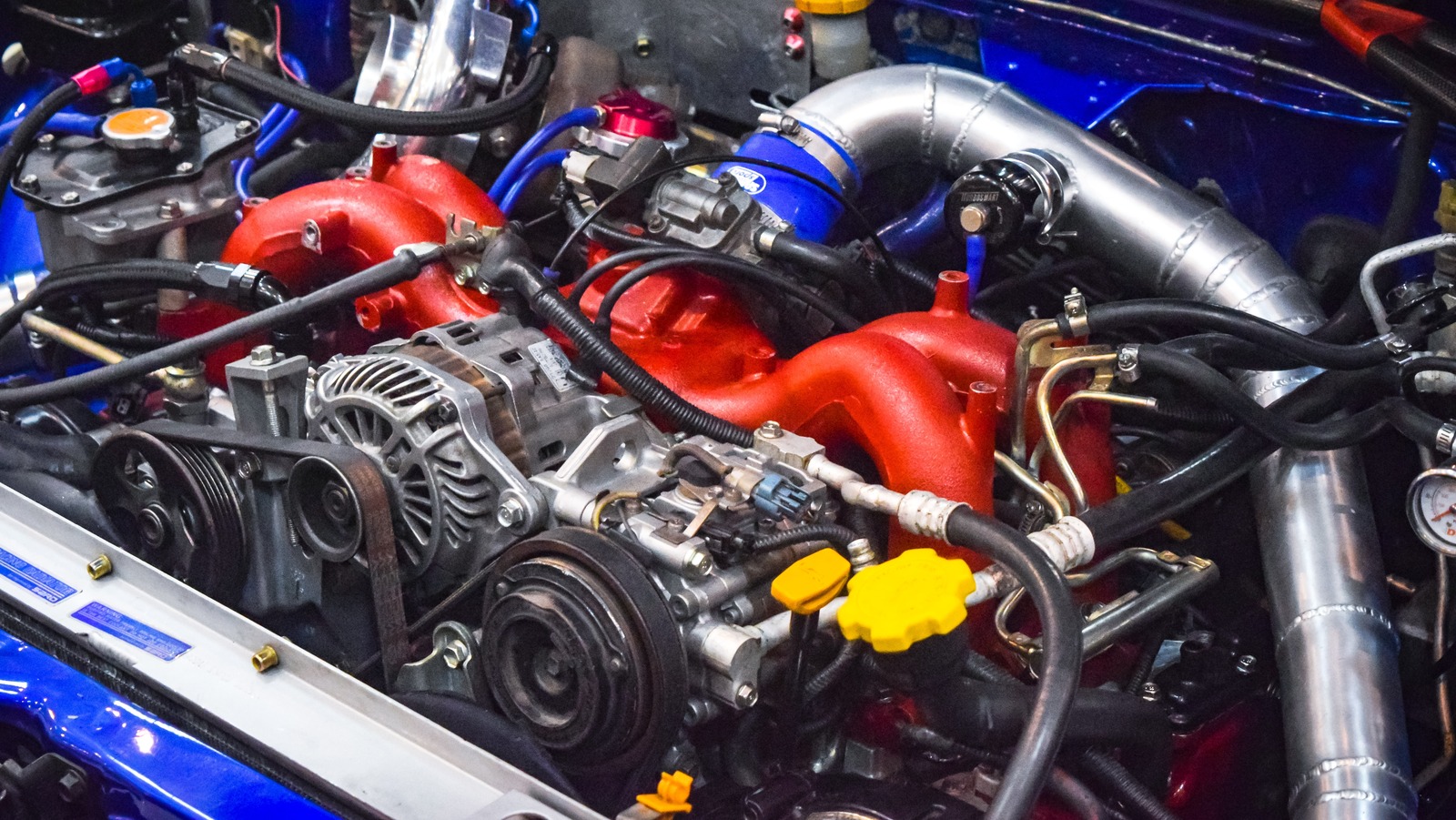
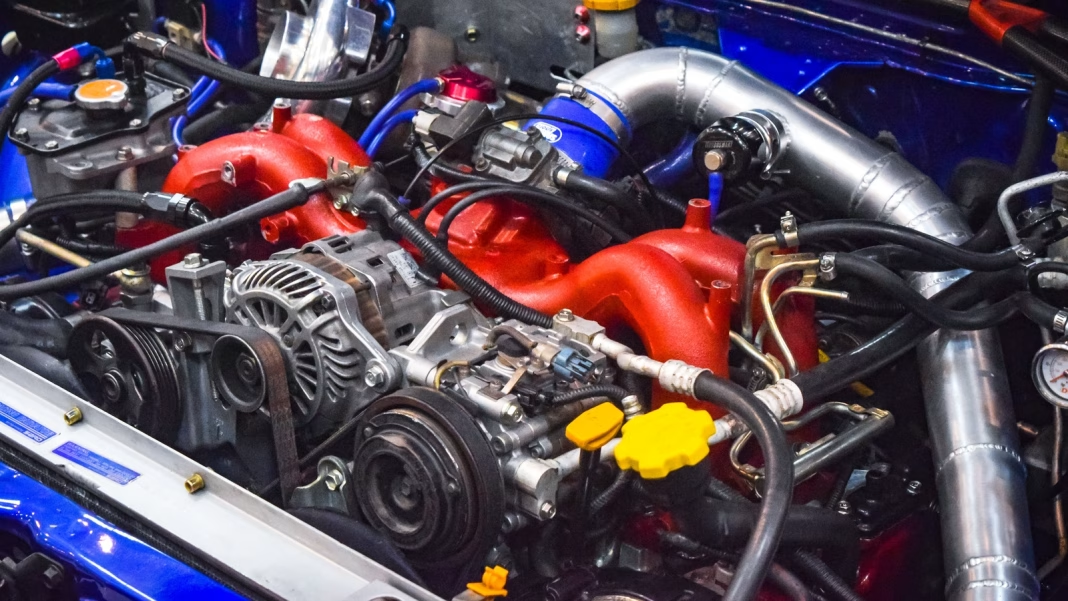
Ask any Subaru WRX enthusiast what sets their car apart, and you’ll probably hear about the EJ20 boxer engine. This engine isn’t just a mechanical heart—it’s the reason the WRX earned its rally-bred reputation. The flat-four layout keeps the center of gravity low, which means sharper handling and that signature Subaru balance in the corners. Plus, the turbocharged punch delivers the kind of acceleration that makes you grin every time you hit the gas.
But it’s not just about numbers on a spec sheet. The EJ20’s unique rumble, thanks to its unequal-length headers, gives the WRX a voice all its own. For many, that sound is half the fun. Subaru’s decision to stick with the boxer layout, even as other automakers chased different trends, helped the WRX stand out in a crowded field of sport compacts.
Why Did the EJ20 Become a Headache for Some Owners?
Of course, no engine is perfect. The EJ20’s quirks are well-known in the Subaru community, and for some, they’ve been a source of frustration. The most notorious issue? The tendency for the engine’s rod bearings to fail, especially in earlier models or those pushed hard with aftermarket modifications.
This isn’t just internet rumor. Independent mechanics and Subaru specialists have documented cases where insufficient oiling or aggressive driving led to premature bearing wear. When those bearings go, you’re looking at a costly rebuild—or worse, a full replacement. According to a 2021 survey by a leading automotive repair network, nearly 12% of EJ20-equipped WRXs required major engine work before 100,000 miles, compared to an industry average of about 7% for similar performance cars.
What Causes the EJ20’s Most Common Problems?
So, what’s behind these issues? It’s a mix of design limitations and real-world use. The EJ20 was engineered for performance, but its oiling system can struggle under sustained high RPMs or when the engine is modified for more power. Add in the fact that many WRXs see spirited driving—track days, autocross, or just enthusiastic commuting—and you’ve got a recipe for accelerated wear.
Another factor: Subaru’s factory tune was conservative, but many owners chase more power with aftermarket parts and aggressive tuning. While the engine can handle some extra boost, pushing it too far without supporting upgrades (like better oiling systems or forged internals) increases the risk of failure.
How Can WRX Owners Keep Their EJ20s Running Strong?
If you own a WRX with an EJ20, don’t panic—many engines run well past 150,000 miles with proper care. The key is preventative maintenance. Regular oil changes with high-quality synthetic oil are non-negotiable. It’s also smart to monitor oil pressure and temperature, especially if you drive hard or have added performance parts.
For those considering modifications, invest in supporting upgrades before chasing big horsepower numbers. Upgraded oil pumps, baffled oil pans, and even external oil coolers can go a long way toward protecting those critical rod bearings. And if you’re buying a used WRX, ask for maintenance records and consider a pre-purchase inspection by a Subaru specialist.
Is the EJ20 Worth the Trouble for Performance Enthusiasts?
Despite its flaws, the EJ20 remains a favorite among tuners and rally fans. There’s a reason Subaru stuck with this engine architecture for decades—it delivers a driving experience that’s hard to replicate. The aftermarket support is enormous, with everything from bolt-on turbos to full forged internals available for those who want to build a bulletproof setup.
Real-world stories back this up. Take the case of a WRX owner in Colorado who daily-drove his EJ20-powered car for over 200,000 miles, mixing in track days and mountain runs, all thanks to religious maintenance and smart upgrades. It’s proof that, with the right approach, the EJ20 can be both thrilling and reliable.
The Big Takeaway? The EJ20 isn’t about perfection—it’s about smarter adjustments. Start with one change this week, and you’ll likely spot the difference by month’s end.