How Can You Tell When Your Differential Needs Attention?
Ever noticed a strange whining noise coming from under your car, especially when you’re turning? Or maybe you’ve felt a bit of vibration that wasn’t there before. These subtle hints are your vehicle’s way of saying, “Hey, don’t forget about my differential.” The differential is a crucial component that lets your wheels rotate at different speeds, especially around corners. Ignore it, and you risk more than just a noisy ride—you could be looking at costly repairs down the road.
So, how do you know when it’s time to service your differential? The answer isn’t one-size-fits-all. It depends on how, where, and even what you drive. If you regularly tow heavy loads, drive off-road, or find yourself in stop-and-go city traffic, your differential works overtime. That means you’ll need to check and change the fluid more often than someone who mostly cruises on the highway.
What’s the Real Impact of Skipping Differential Service?
Let’s be honest—differential maintenance isn’t exactly top of mind for most drivers. But here’s the thing: neglecting it can lead to some serious headaches. Old or contaminated differential fluid loses its ability to lubricate and protect the gears. The result? Increased friction, excessive wear, and eventually, expensive repairs or even a full differential replacement.
According to a 2023 report from the Car Care Council, nearly 22% of vehicles inspected had low or dirty differential fluid. That’s not just a minor oversight. It’s a ticking time bomb for your drivetrain. Mechanics often see vehicles come in with differential issues that could have been prevented with a simple fluid change. It’s a classic case of “an ounce of prevention is worth a pound of cure.”
How Often Should You Really Change Differential Fluid?
Here’s where things get a bit nuanced. Most manufacturers recommend changing differential fluid every 30,000 to 60,000 miles. But that’s just a ballpark. If you’re pushing your vehicle harder—think frequent towing, off-roading, or driving in extreme temperatures—you’ll want to err on the side of caution and service it more often.
On the flip side, if your driving is mostly gentle and you stick to paved roads, you might be able to stretch those intervals a bit. Still, regular inspections are key. Many modern vehicles have a differential fluid check as part of their scheduled maintenance, but it’s always smart to ask your mechanic to take a look if you’re unsure.
Are There Signs You Shouldn’t Ignore?
Absolutely. If you hear grinding, whining, or clunking noises from the axle area, don’t brush it off. Leaking fluid near the differential housing is another red flag. And if your vehicle feels less stable or you notice uneven tire wear, it’s time for a closer look.
A real-world example: A friend of mine ignored a faint whining noise for months, thinking it was just “one of those car things.” Fast forward to a hefty repair bill for a worn-out differential. Lesson learned—the sooner you catch these issues, the less painful (and expensive) the fix.
What’s Involved in Servicing a Differential?
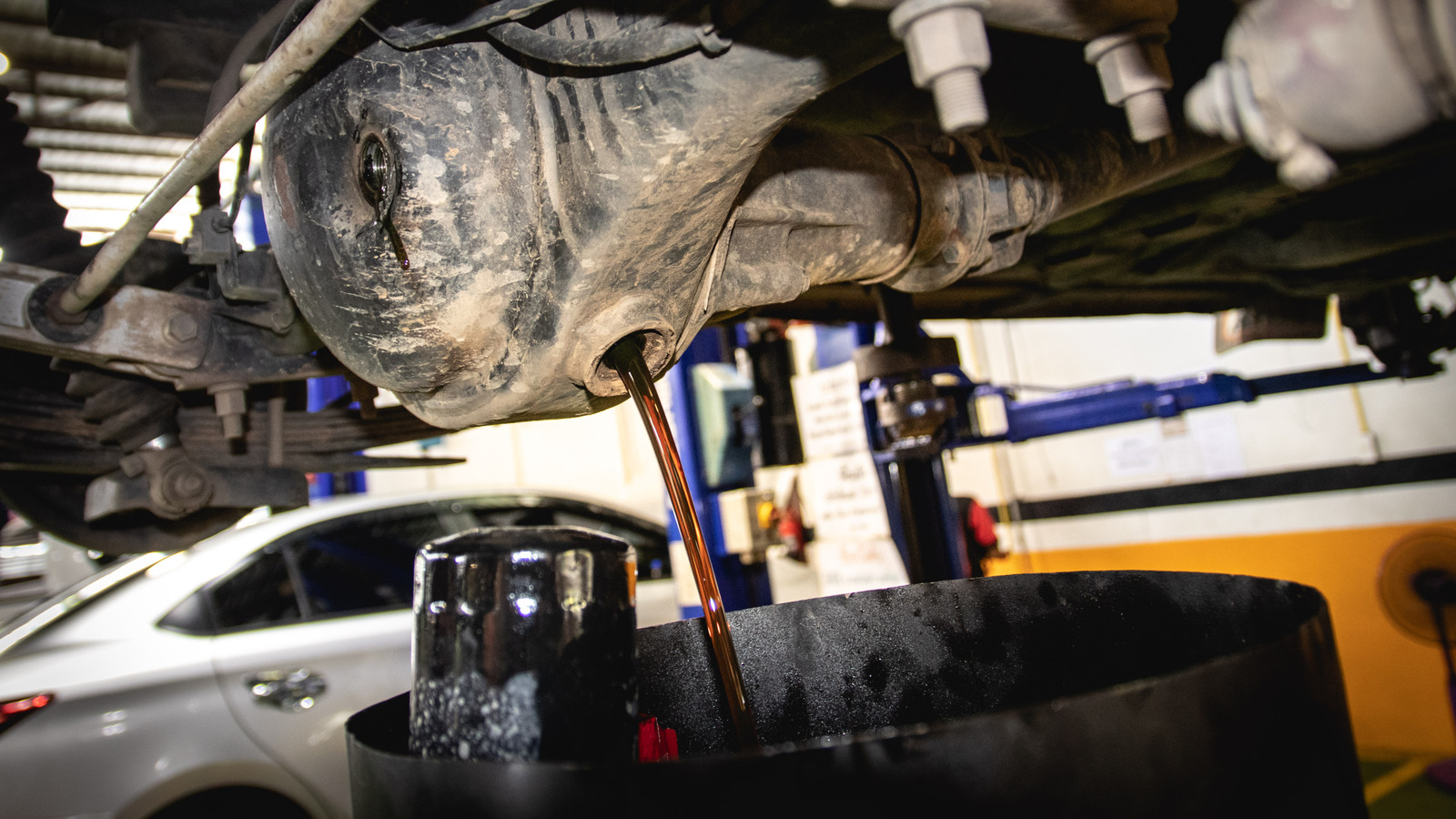
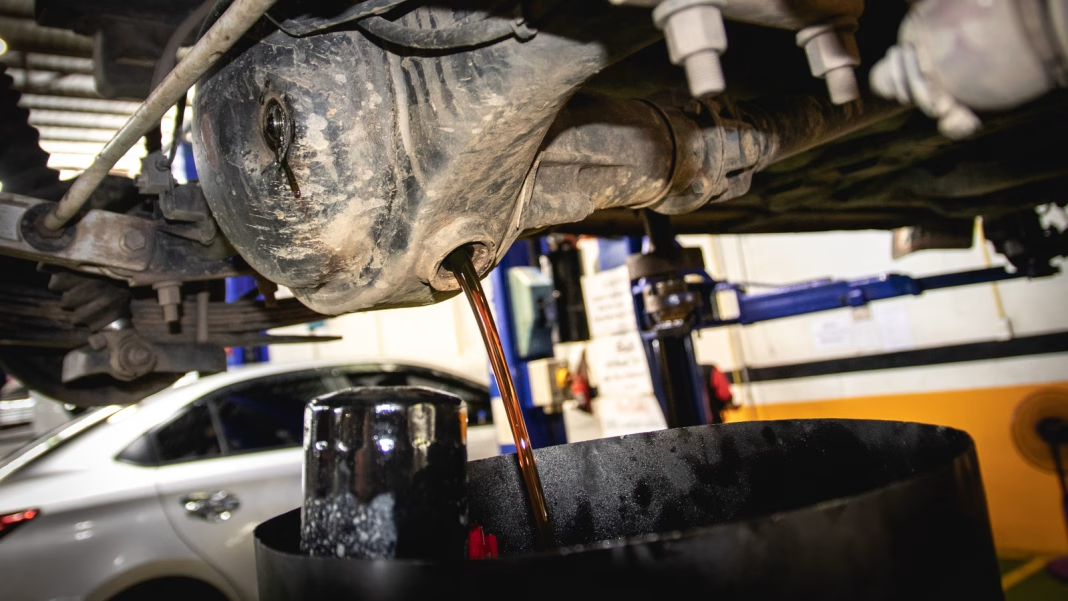
Servicing a differential isn’t rocket science, but it does require the right tools and know-how. The process usually involves draining the old fluid, inspecting the gears for wear or damage, and refilling with fresh, manufacturer-recommended fluid. Some differentials have a drain plug, while others require removing the cover—so it’s not always a quick DIY job.
If you’re comfortable working on your car, you can tackle it yourself with a good service manual and the right supplies. Otherwise, most shops can handle it in under an hour. Either way, the peace of mind is worth it.
Does Differential Maintenance Really Affect Performance?
You bet. Fresh differential fluid reduces friction, keeps temperatures down, and ensures smooth power delivery to your wheels. That translates to better handling, improved fuel efficiency, and a quieter ride. For performance enthusiasts, it can even mean the difference between a crisp, responsive drive and one that feels sluggish or unpredictable.
And it’s not just about performance. Proper maintenance extends the life of your differential—and by extension, your entire drivetrain. In the long run, that means fewer breakdowns and more money in your pocket.
What’s the Bottom Line for Everyday Drivers?
If you’re like most people, you want your vehicle to last and perform at its best without any surprises. Staying on top of differential service is a small investment with big returns. Check your owner’s manual for specific intervals, but don’t be afraid to adjust based on your driving habits. When in doubt, ask a trusted mechanic to take a look.
The big takeaway? Differential maintenance isn’t about perfection—it’s about smarter adjustments. Start with one change this week, and you’ll likely spot the difference by month’s end.