Why Did People Keep Hunting Whales for Oil So Long?
It’s easy to think of whale oil as something out of a dusty history book, but the reality is a bit more complicated. Even as the world marched into the age of plastics and petroleum, the hunt for whale oil didn’t just fade away after the 19th century. In fact, commercial whaling for oil continued well into the 1970s. The reason? Whale oil had a unique set of properties that made it almost irreplaceable for certain industrial uses—especially in the automotive world.
What Made Whale Oil So Valuable for Cars?
Let’s get specific. Whale oil, particularly from sperm whales, was prized for its remarkable stability at high temperatures and resistance to oxidation. In plain English: it didn’t break down or gum up when things got hot or when exposed to air. This made it a superstar lubricant for machinery that had to endure serious stress.
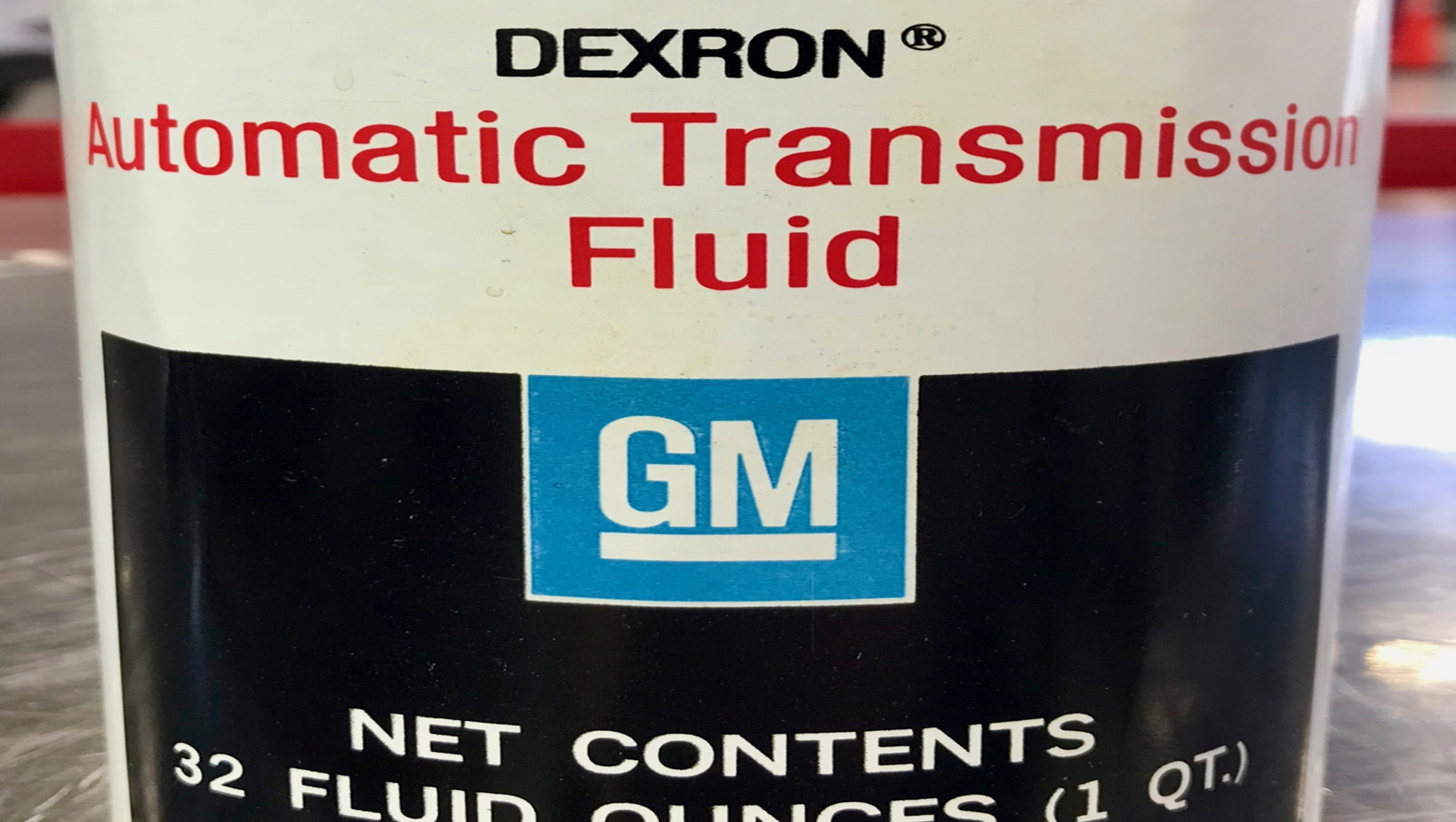
Automakers and engineers loved whale oil for things like transmission fluids, differential lubricants, and even some greases. Before synthetic oils became widely available and affordable, whale oil was the gold standard for keeping gears running smoothly. According to a 1971 report from the US Department of the Interior, whale oil’s unique molecular structure allowed it to outperform most plant- and mineral-based oils, especially in extreme cold or heat.
Were There Really No Alternatives?
You might wonder why engineers didn’t just switch to something else sooner. The truth is, they tried. Early mineral oils and plant-based lubricants often failed under the pressure—literally. They’d break down, thicken, or lose their lubricating power, leading to costly repairs and breakdowns. Whale oil, on the other hand, was reliable. It kept everything moving, even in the harshest conditions.
It wasn’t until the late 1960s and early 1970s that advances in chemistry led to the development of synthetic lubricants that could match or surpass whale oil’s performance. Companies like Mobil and Castrol invested heavily in research, and by the mid-1970s, synthetic oils finally became mainstream. This shift wasn’t just about performance—it was also about growing environmental awareness and international pressure to protect whale populations.
How Did the Shift Away from Whale Oil Happen?
The transition didn’t happen overnight. For years, industries stockpiled whale oil, and some manufacturers even quietly blended it into their products well after bans were in place. But as synthetic alternatives improved and the environmental movement gained steam, the tide turned. The 1972 Marine Mammal Protection Act in the United States, along with similar laws in other countries, put the final nail in the coffin for commercial whaling for oil.
By the late 1970s, most automakers had fully switched to synthetics or highly refined mineral oils. The result? Not only did this help save countless whales, but it also pushed lubricant technology forward in ways that benefit us today. Modern engines run cleaner and last longer, thanks in part to the lessons learned from the whale oil era.
What Surprised Experts About Whale Oil’s Legacy?
Here’s something that catches a lot of people off guard: even after the switch, some vintage car enthusiasts and restorers still seek out old stocks of whale oil for authenticity. There’s a certain nostalgia—and, admittedly, a bit of myth—around the idea that nothing else quite matches the original. But with today’s advanced synthetics, the performance gap has all but disappeared.
Researchers now look back at the whale oil period as a fascinating intersection of biology, chemistry, and industry. It’s a reminder of how resourceful—and sometimes short-sighted—humans can be when faced with a technical challenge.
What Can We Learn from the Whale Oil Era?
The big takeaway? Progress isn’t about perfection—it’s about smarter adjustments. The shift from whale oil to synthetic lubricants wasn’t just a technical upgrade; it was a moral and environmental leap forward. Start with one change this week, whether it’s in your garage, your workplace, or your daily habits, and you’ll likely spot the difference by month’s end. Sometimes, the best solutions come from recognizing when it’s time to let go of the old and embrace the new.