How Do the World’s Largest Cruise Ships Get Their Power?
If you’ve ever stood on a dock and watched a cruise ship glide by, you know these vessels are, frankly, jaw-dropping in size. But what really powers these floating cities? It’s not just a bigger version of your car’s engine—these ships rely on engines so massive, they make a city bus look like a toy. Let’s dig into what’s under the hood (or, more accurately, deep in the hull) of these giants.
What Kind of Engines Do Cruise Ships Use?
Most of the world’s largest cruise ships run on enormous diesel engines, specifically marine diesel engines designed for efficiency and reliability over long distances. These aren’t your everyday truck engines. We’re talking about multi-story, V12 or V16 behemoths that can weigh over 2,000 tons each. A single engine can be as long as 44 feet and as tall as a two-story house. The most common types are two-stroke and four-stroke diesel engines, with brands like Wärtsilä and MAN Energy Solutions leading the pack.
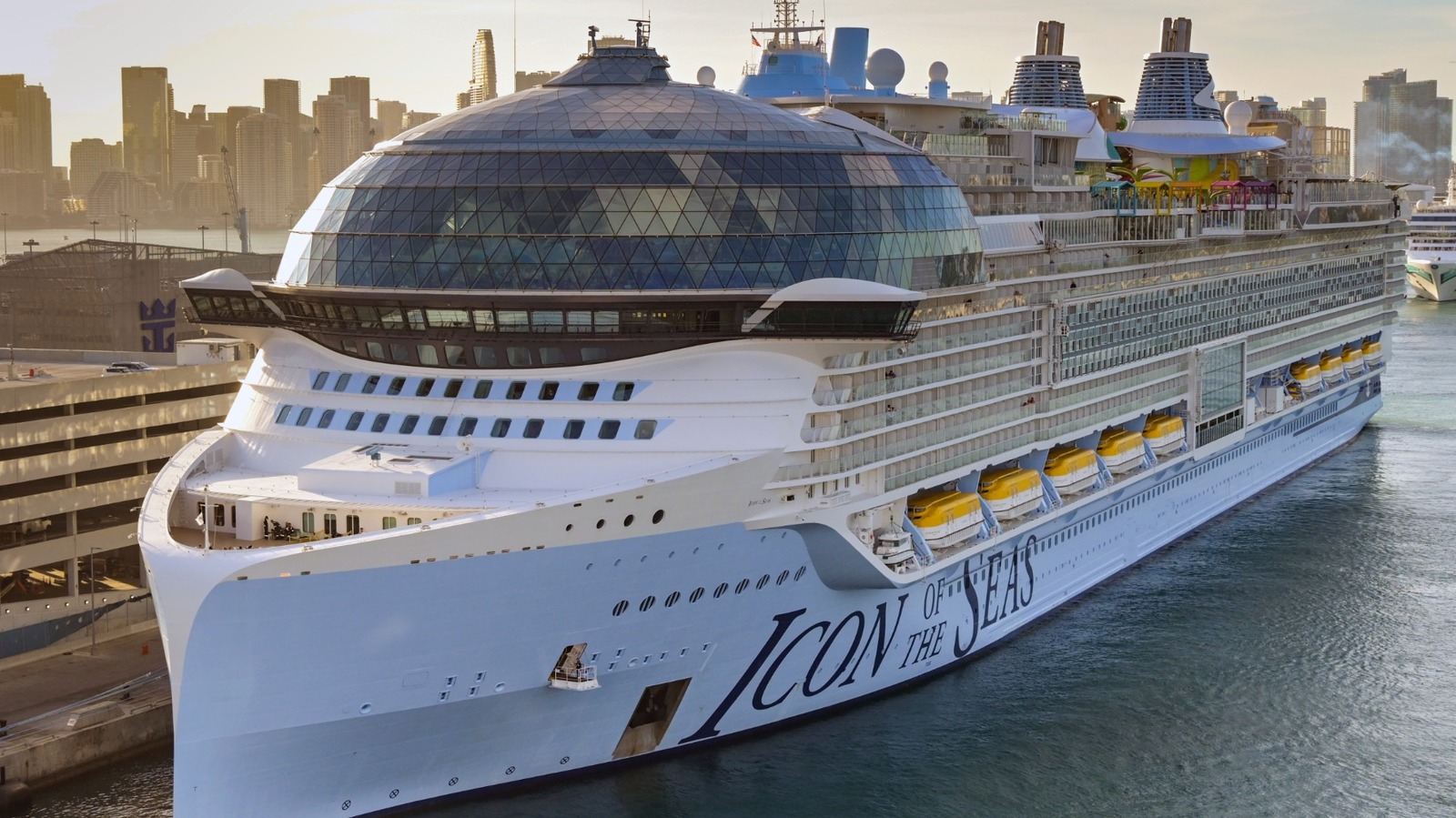
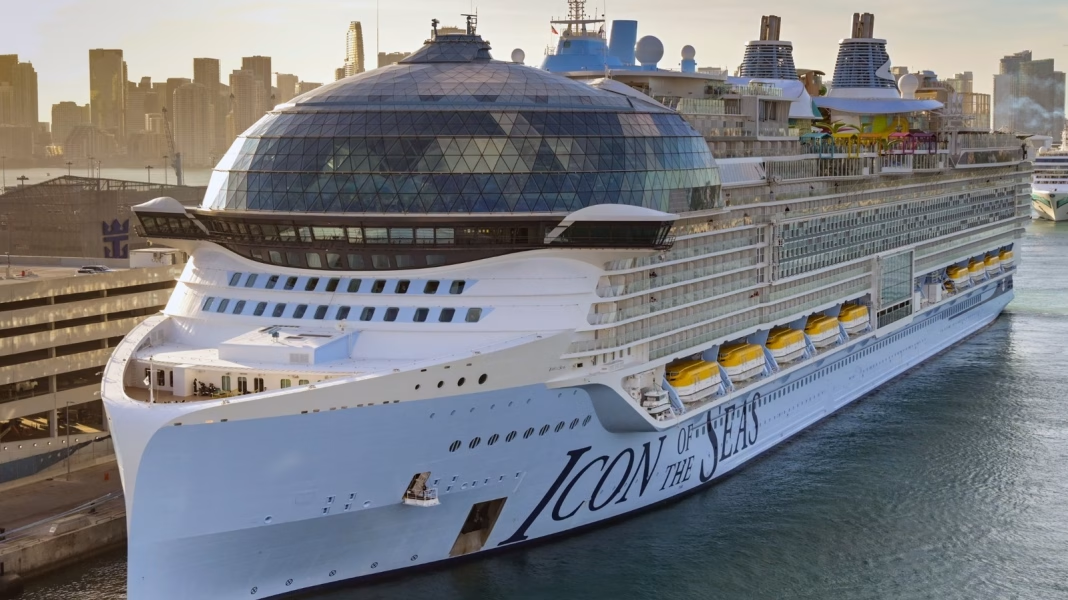
Some of the latest cruise ships are also experimenting with liquefied natural gas (LNG) engines. LNG is cleaner than traditional marine diesel, producing less sulfur and particulate emissions. Ships like Carnival’s Mardi Gras and Royal Caribbean’s Icon of the Seas are already sailing with LNG powerplants, signaling a shift toward greener cruising.
How Much Power Do These Engines Produce?
To put it simply: a lot. The main engines on a large cruise ship can generate between 50,000 to 100,000 horsepower—sometimes even more. For comparison, a typical family car has about 150 horsepower. The world’s largest cruise ships, like Royal Caribbean’s Oasis-class, often use six main engines, each producing around 16,800 horsepower. That’s enough juice to light up a small town.
But it’s not just about moving the ship forward. These engines also generate electricity for everything onboard—lights, air conditioning, restaurants, theaters, and even the water slides. Most cruise ships use a diesel-electric propulsion system, where the engines turn generators, which then power electric motors connected to the propellers. This setup is more flexible and efficient, allowing for smoother sailing and easier maneuvering in port.
Why Are These Engines So Huge?
It’s all about scale. Cruise ships can stretch over 1,100 feet long and carry upwards of 6,000 passengers and crew. Moving that much weight through the water takes serious muscle. The engines need to be massive not just for propulsion, but to supply the vast amounts of electricity needed for the ship’s floating city infrastructure.
There’s also the issue of redundancy and safety. Ships are designed with multiple engines so that if one fails, others can keep things running. This is crucial when you’re hundreds of miles from shore.
Are Cruise Ship Engines Bad for the Environment?
This is a hot topic. Traditional marine diesel engines burn heavy fuel oil, which can produce significant emissions. According to the International Council on Clean Transportation, a single large cruise ship can emit as much particulate matter as a million cars in a day. That’s why there’s a push toward cleaner fuels like LNG and the use of exhaust scrubbers, which help reduce sulfur emissions.
Some cruise lines are also investing in shore power technology, allowing ships to plug into local electrical grids while docked, cutting down on engine use in port. The industry is far from perfect, but there’s real momentum toward greener solutions.
What’s It Like to See One of These Engines Up Close?
Imagine a machine room that feels more like a cathedral than a garage. The engines are so large that engineers can walk inside them for maintenance. The sound is a deep, rhythmic thrum you feel in your chest. Everything is spotless—cruise ship engine rooms are kept cleaner than most kitchens, thanks to strict safety and operational standards.
Engineers working on these ships are highly trained, often with backgrounds in marine engineering or naval architecture. They monitor everything from fuel efficiency to vibration levels, using advanced sensors and control systems. It’s a blend of old-school mechanical know-how and cutting-edge tech.
How Are Cruise Ship Engines Evolving?
The future is all about efficiency and sustainability. Hybrid systems are starting to appear, combining diesel engines with batteries or fuel cells. There’s talk of hydrogen-powered ships and even sails or solar panels supplementing traditional engines. While these technologies are still in their infancy for large vessels, the direction is clear: cleaner, quieter, and more efficient engines are on the horizon.
The big takeaway? Cruise ship engines aren’t about perfection—they’re about smarter adjustments. Start with one change this week, and you’ll likely spot the difference by month’s end. Whether it’s cleaner fuel, better technology, or simply appreciating the engineering marvel beneath your feet, these powerplants are proof that even the biggest machines can keep evolving.