How Do NASCAR Pit Crews Change Tires So Fast?
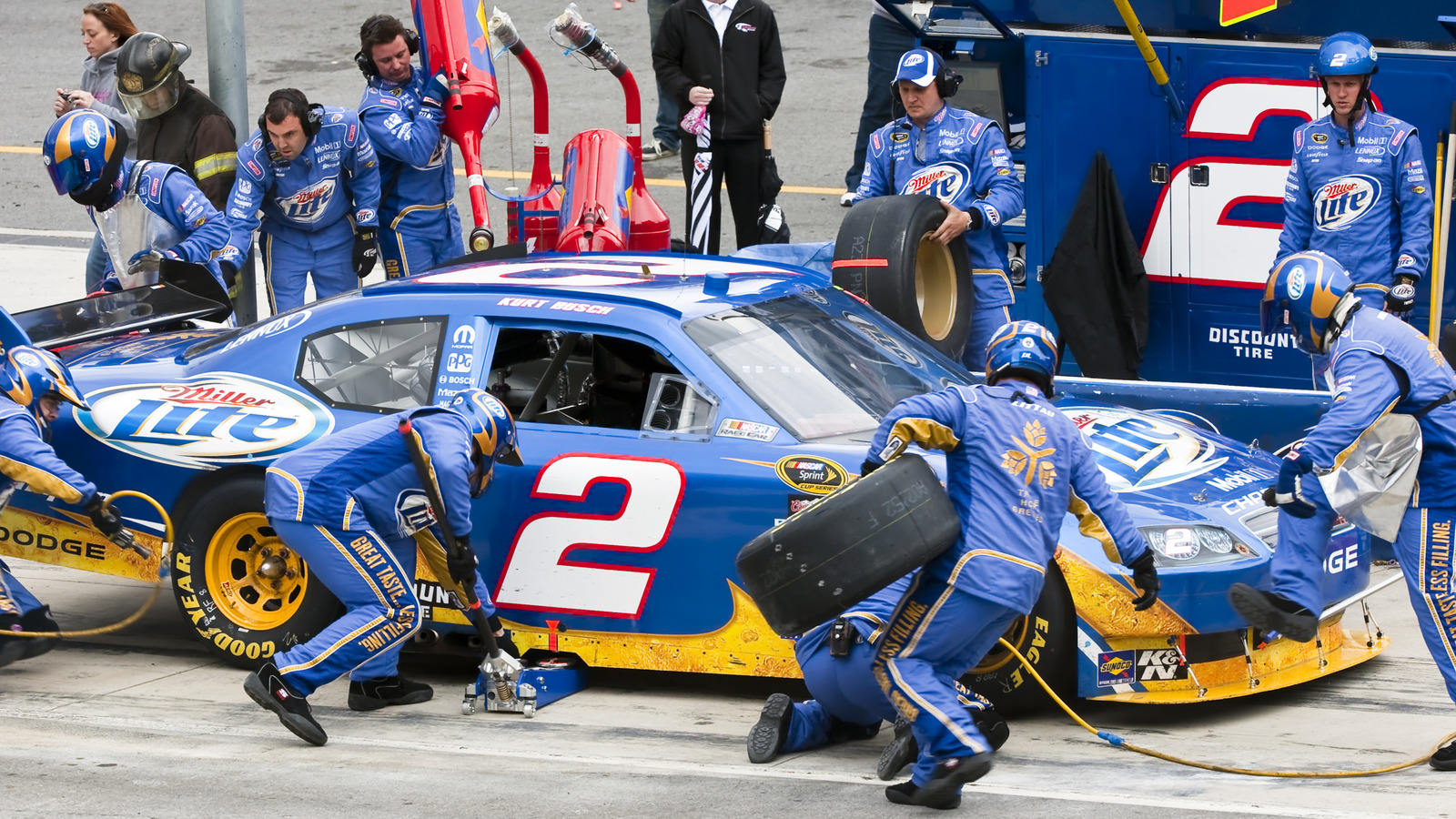
Ever watched a NASCAR pit stop and wondered how on earth they swap all four tires in just a few seconds? It’s not just about lightning-fast hands or relentless practice—though both matter. The secret sauce lies in the tools, especially the jack. Unlike the clunky, slow jacks you might find in a typical garage, NASCAR’s pit crews use a piece of equipment that’s been engineered for pure speed.
What Makes a NASCAR Jack Different From the Ones We Use at Home?
Let’s get real: the jack in your trunk is built for safety and stability, not for shaving milliseconds off a pit stop. NASCAR jacks, on the other hand, are all about efficiency. They’re lightweight—often made from aircraft-grade aluminum—and designed to lift a 3,400-pound stock car with just a couple of pumps. No cranking for minutes on end. The handle is extra-long for maximum leverage, and the base is wide enough to keep the car steady, even when the crew is moving at a frantic pace.
Here’s a fun fact: a typical NASCAR jack weighs around 20-25 pounds, compared to the 40-50 pounds of a standard steel floor jack. That difference matters when you’re sprinting around a car with a jack in hand.
How Do Pit Crews Coordinate Under Pressure?
It’s not just about the gear. The choreography of a NASCAR pit stop is a marvel in itself. Each crew member has a specific job, and every movement is practiced to the point of muscle memory. The jackman, for example, knows exactly where to place the jack—there are reinforced points on the car’s frame for this purpose. One swift motion, and the car is up. The tire changers and carriers swoop in, air guns blazing, and within 10-12 seconds, the car is back on the track.
Teams drill for hours, sometimes practicing hundreds of stops in a single week. According to data from NASCAR, the fastest pit stops can clock in under 10 seconds—blindingly fast when you consider what’s at stake.
Why Don’t All Racing Series Use the Same Jack Design?
You might be wondering why this style of jack isn’t universal across all motorsports. The answer comes down to rules and car design. Formula 1, for instance, uses a different system entirely—specialized front and rear jacks operated by dedicated crew members, and the cars themselves are built for quick lifting. NASCAR’s stock cars are heavier and have a different underbody, so the single-side jack is the most practical solution.
Plus, NASCAR’s rules limit the number of crew members allowed over the wall during a stop, so every tool has to do double duty: fast, reliable, and easy to maneuver.
Are There Safety Risks With Such Fast Jacking?
Speed is thrilling, but safety can’t take a back seat. NASCAR mandates strict safety standards for all pit equipment, including jacks. The jackman wears fire-resistant gear, and the jack itself is inspected regularly for wear and tear. There have been incidents—jacks slipping, cars dropping unexpectedly—but these are rare thanks to rigorous training and constant equipment checks.
Teams also use wheel chocks and other backup measures to prevent accidents. The focus is always on balancing speed with safety, because a mistake in the pits can cost more than just a race.
What Can Everyday Drivers Learn From NASCAR Pit Stops?
While you probably won’t be changing all four tires in 10 seconds flat, there’s still something to take away from the pros. Preparation and the right tools make all the difference. Investing in a quality jack, knowing your car’s lift points, and practicing safe, efficient tire changes can save you time and hassle—especially in an emergency.
And if you’re ever tempted to rush through a tire change, remember: even the best pit crews never sacrifice safety for speed. That’s a lesson worth keeping in your back pocket.
The big takeaway? NASCAR pit stops aren’t about perfection—they’re about smarter adjustments. Start with one change this week, and you’ll likely spot the difference by month’s end.