What Sets the Pentagon’s Doomsday Plane Apart from Air Force One?
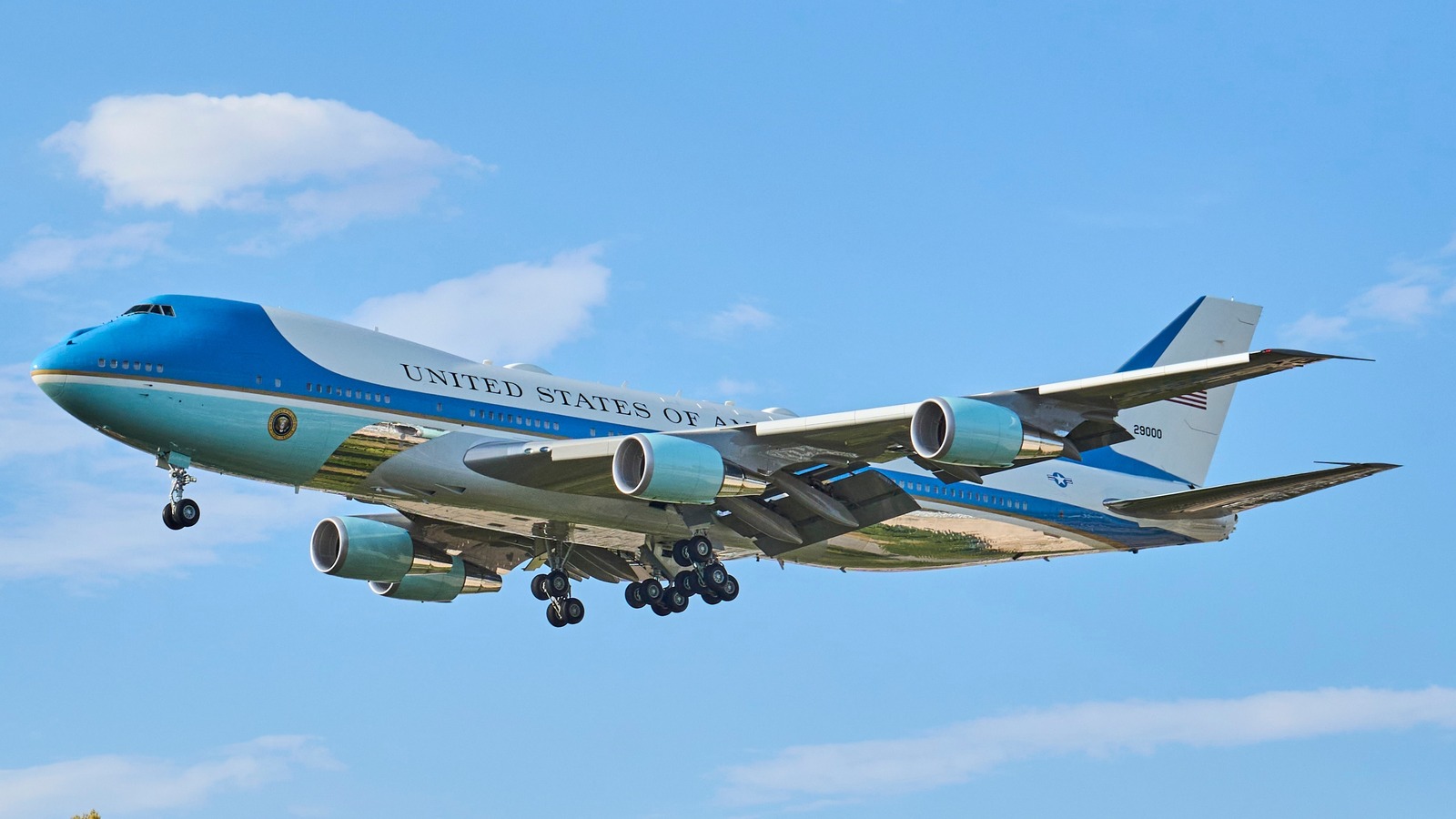
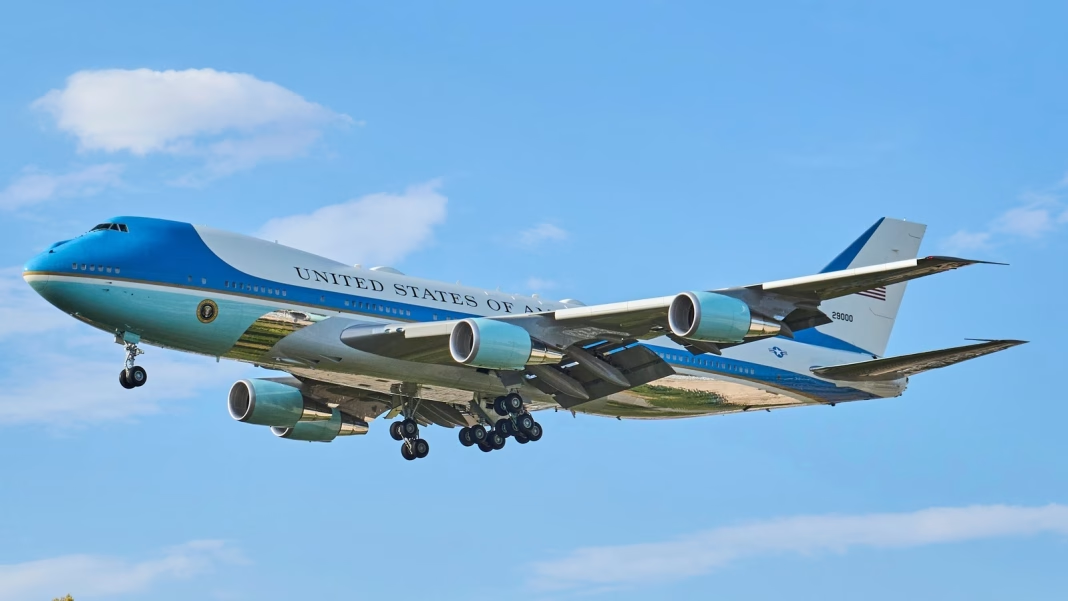
Most folks have heard of Air Force One—the iconic blue-and-white jet that whisks the president around the globe. But tucked away in the Pentagon’s arsenal is another aircraft with a far more ominous nickname: the Doomsday Plane. What makes this mysterious jet so different, and why does it exist at all?
Why Does the Pentagon Need a Doomsday Plane?
While Air Force One is designed for comfort, diplomacy, and presidential security, the Doomsday Plane—officially known as the E-4B Nightwatch—serves a very different purpose. Its job? To keep the U.S. government running during the absolute worst-case scenarios, like nuclear war or catastrophic national emergencies.
Think of it as a flying command center. If ground-based communications are wiped out or Washington, D.C. becomes unsafe, top military leaders and civilian officials can jump aboard the E-4B and direct operations from the sky. It’s not just a backup plan; it’s the ultimate insurance policy.
How Is the Doomsday Plane Built to Survive the Unthinkable?
The E-4B isn’t your average Boeing 747. While it shares the same airframe as a commercial jet, the similarities end there. For starters, this plane is hardened against electromagnetic pulses (EMPs)—the kind that could fry electronics during a nuclear blast. Its wiring, electronics, and even windows are shielded to keep everything running, no matter what’s happening on the ground.
Inside, the E-4B is packed with advanced communications gear. Satellite links, radio systems, and secure lines allow leaders to talk to anyone, anywhere, at any time. There’s even a special trailing wire antenna that can communicate with submerged submarines. The goal: never lose touch, even if the world below is in chaos.
Who Flies on the Doomsday Plane, and What Happens Onboard?
Unlike Air Force One, which is all about the president, the Doomsday Plane is built for the Secretary of Defense and top military brass. It’s essentially a mobile Pentagon. Onboard, you’ll find conference rooms, briefing areas, and workstations for dozens of staffers. There’s a small medical bay, sleeping quarters, and enough supplies for extended missions.
During exercises or real emergencies, the E-4B can launch within minutes—sometimes with engines running on standby, ready to go at a moment’s notice. The crew is a mix of Air Force pilots, communications experts, and military strategists, all trained to keep the government functioning no matter what.
How Does the Doomsday Plane Stay Airborne for So Long?
Here’s where things get wild: the E-4B is designed to stay in the air for days at a time. Thanks to in-flight refueling, it can keep circling high above the chaos below, only landing when it’s truly safe. This endurance is crucial if ground bases are compromised or under threat.
The plane’s systems are also built for redundancy. If one piece of equipment fails, there’s a backup (and sometimes a backup for the backup). This philosophy runs through everything from communications to life support, ensuring the Doomsday Plane can outlast almost any disaster.
Is the Doomsday Plane Ever Used Outside of Emergencies?
While its primary mission is grim, the E-4B does see action in less dire circumstances. It often shadows Air Force One when the president travels abroad, just in case. The plane is also used for training exercises and, occasionally, as a secure transport for high-ranking officials.
In 2022, for example, the E-4B made headlines when it was spotted accompanying the president on a trip to Europe amid heightened global tensions. Its presence sent a clear message: the U.S. is prepared for anything.
What’s the Future of the Doomsday Plane?
The E-4B fleet is aging—some of these planes have been flying since the 1970s. The Pentagon is exploring replacements, but building a new Doomsday Plane isn’t easy. It takes years of planning, billions in investment, and cutting-edge technology to create an aircraft that can survive scenarios most of us would rather not imagine.
Still, as threats evolve, so does the need for a reliable airborne command post. Experts from the RAND Corporation and the Congressional Research Service have highlighted the importance of these planes in maintaining national security continuity, especially as cyber and nuclear risks persist.
The Big Takeaway
The Doomsday Plane isn’t about perfection—it’s about smarter adjustments. Start with one change this week, and you’ll likely spot the difference by month’s end. Whether it’s a new system, a backup plan, or just a fresh perspective, being prepared—like the E-4B—means you’re ready for whatever comes your way.