What Else Does an Aerospace Giant Like Boeing Actually Build?
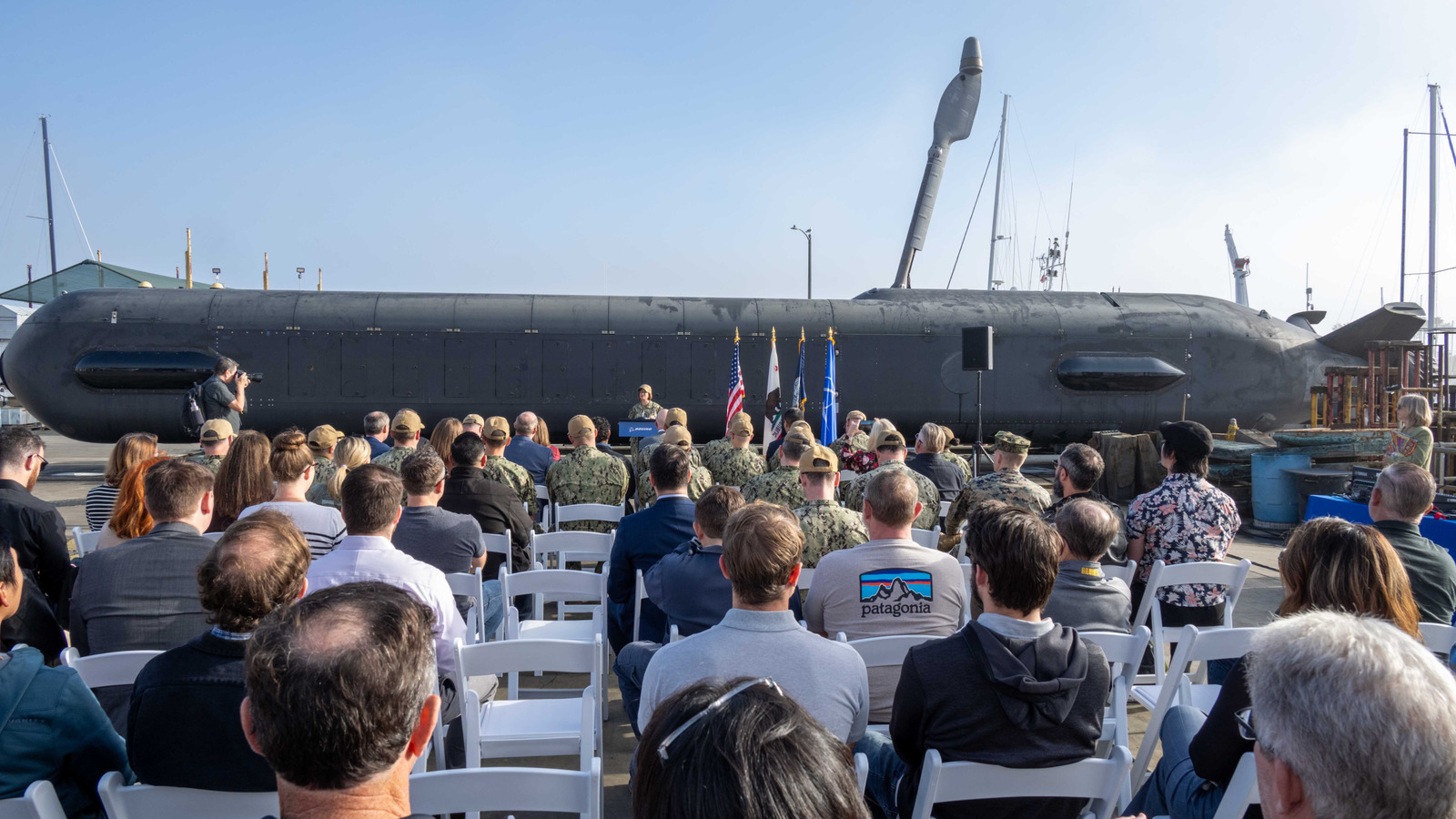
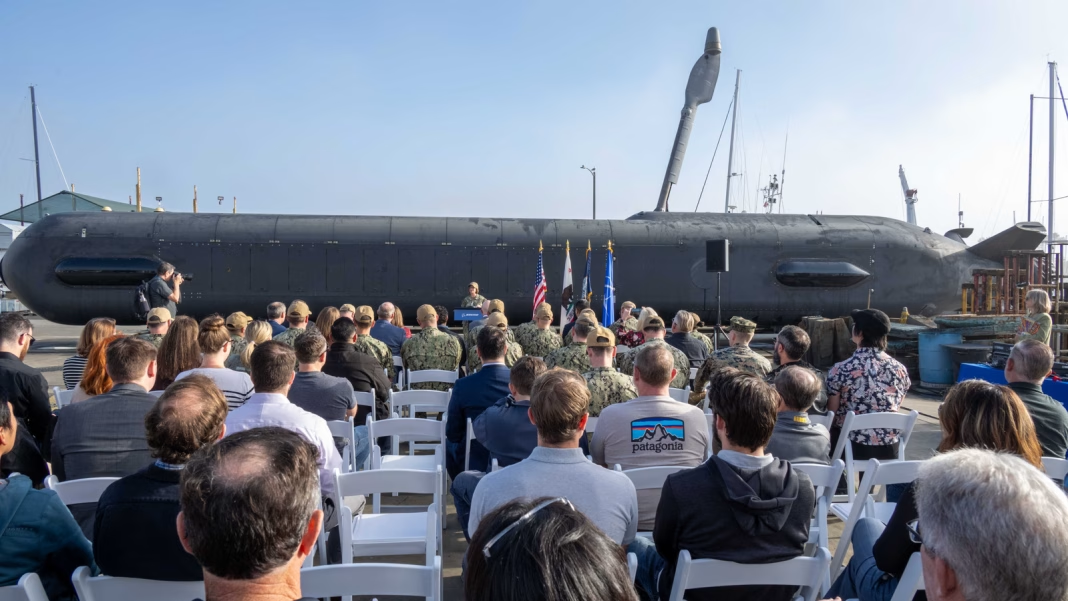
When you hear the name Boeing, chances are your mind jumps straight to airplanes—maybe even the iconic 747 or the latest Dreamliner. But here’s something that might surprise you: Boeing’s expertise stretches far below the clouds, all the way to the ocean’s depths. Over the past decade, the company has been quietly developing a fleet of autonomous, uncrewed underwater vehicles (UUVs). These aren’t just science fiction—they’re real, and they’re already making waves.
Why Is Boeing Investing in Self-Piloting Submarines?
You might wonder, what’s an aerospace company doing underwater? The answer is rooted in both opportunity and necessity. The world’s oceans are still largely unexplored, and there’s a growing demand for advanced technology to handle everything from scientific research to national security. Boeing saw a chance to apply its deep experience in autonomous systems and complex engineering to a new frontier.
According to a 2023 report by MarketsandMarkets, the global UUV market is projected to grow from $2.8 billion in 2022 to $5.2 billion by 2027. That’s a huge leap, driven by needs in offshore energy, environmental monitoring, and defense. Boeing’s move isn’t just about innovation—it’s about staying ahead in a rapidly expanding industry.
How Do These Underwater Robots Actually Work?
Boeing’s autonomous underwater vehicles (AUVs) are designed to operate for months at a time, navigating the ocean’s depths without a human on board. Think of them as the underwater cousins of drones, but with a twist: they have to contend with crushing pressures, total darkness, and unpredictable currents.
Take the Echo Voyager, for example. This 51-foot-long sub can travel thousands of miles on a single mission, powered by a hybrid battery-diesel system. It’s equipped with advanced sonar, navigation, and communication tech, allowing it to map the seafloor, monitor pipelines, or even carry out search-and-rescue operations. The real magic? It can surface, transmit data via satellite, and then dive again—all without human intervention.
What Are the Real-World Uses for Autonomous Submarines?
These underwater vehicles aren’t just cool gadgets—they’re solving real problems. In the energy sector, they’re used to inspect and maintain undersea pipelines, saving companies millions by reducing the need for risky human dives. Environmental scientists deploy them to study marine life, track pollution, and monitor the effects of climate change in places humans can’t easily reach.
Then there’s national security. Governments are increasingly interested in using AUVs for surveillance, mine detection, and even covert operations. In 2022, the U.S. Navy awarded Boeing a contract to deliver extra-large unmanned undersea vehicles (XLUUVs), underscoring the strategic importance of this technology.
What Sets Boeing’s Approach Apart From the Competition?
Boeing isn’t the only player in the underwater robotics game, but its approach stands out for a few reasons. First, the company leverages decades of experience in autonomous flight and systems integration. That means its underwater vehicles benefit from proven navigation algorithms, robust communication systems, and rigorous safety protocols.
Second, Boeing’s scale allows it to invest heavily in research and development. The company partners with universities, government agencies, and private industry to push the boundaries of what these subs can do. For instance, recent collaborations have focused on improving battery life and developing AI-powered decision-making, so the subs can adapt to unexpected situations on their own.
Are There Any Challenges or Risks With Autonomous Underwater Vehicles?
Of course, no technology is without its hurdles. The ocean is a tough environment—saltwater corrodes metal, pressure can crush even the strongest hulls, and communication is limited by the physics of water. There’s also the challenge of cybersecurity. As these vehicles become more autonomous and connected, protecting them from hacking or interference becomes a top priority.
Boeing addresses these issues with a mix of advanced materials, redundant systems, and constant testing. The company’s engineers run simulations and real-world trials to make sure the vehicles can handle whatever the ocean throws at them. Still, as with any emerging tech, there’s a learning curve—and each mission brings new lessons.
How Might This Technology Shape the Future?
The potential applications for autonomous underwater vehicles are just starting to unfold. Imagine fleets of these subs mapping the ocean floor in real time, helping to locate new resources or monitor tectonic activity. Or picture them supporting disaster response after an oil spill, delivering supplies to remote underwater habitats, or even laying the groundwork for underwater internet cables.
Experts believe that as AI and sensor technology improve, these vehicles will become even more capable and versatile. According to Dr. James Bellingham, a leading oceanographer at Woods Hole Oceanographic Institution, “We’re on the cusp of a new era in ocean exploration, where robots will do the heavy lifting and humans will focus on interpreting the data.” It’s a shift that could open up the last great frontier on Earth.
What’s the Big Takeaway for Curious Readers?
Boeing’s foray into self-piloting submarines is a reminder that innovation often happens where you least expect it. The big takeaway? Exploring new frontiers isn’t about perfection—it’s about smarter adjustments. Start with one change this week, and you’ll likely spot the difference by month’s end. Whether you’re fascinated by technology, the ocean, or just love a good story of reinvention, there’s something inspiring about seeing a company dive headfirst into the unknown.