Is It Actually Illegal to Park a Gas Car in an EV Charging Spot?
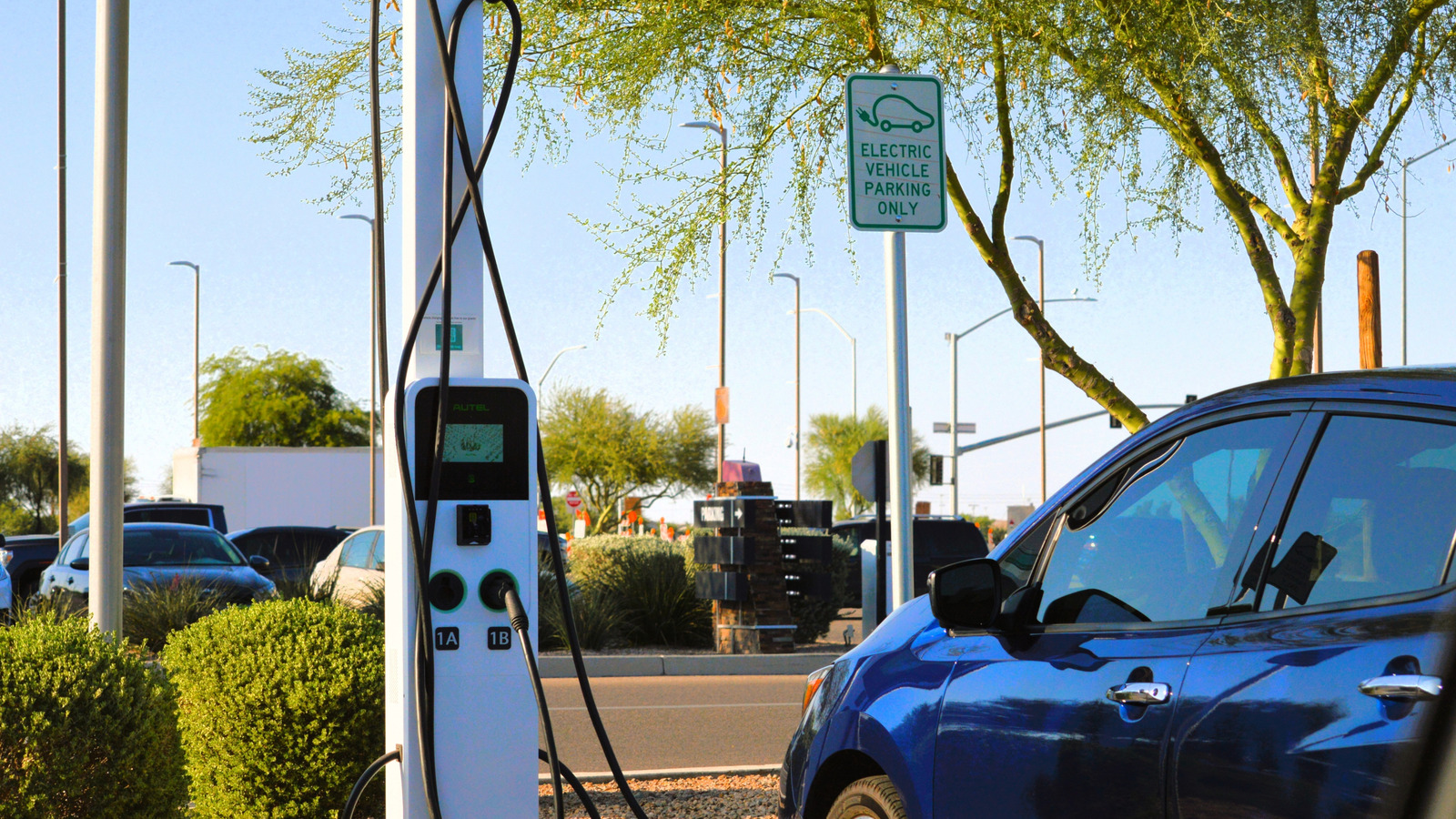
You’re circling the parking lot, hunting for a space, and you spot an open spot right up front. It’s labeled EV charging only, but you drive a regular gas car. You might wonder: Is it just rude to park there, or could you actually get in trouble?
What Do Those EV Charging Only Signs Really Mean?
At first glance, those signs look pretty official—almost like a handicapped parking sign. But here’s the catch: not every sign carries the same legal weight. In many places, the rules around EV charging spots are still catching up with the times. Some states and cities have passed clear laws making it illegal for non-electric vehicles to park in these spots. Others? Not so much.
For example, California, Colorado, and Florida have statewide laws that specifically prohibit non-EVs from parking in designated charging spots. In California, violators can face fines up to $100, plus towing fees. Meanwhile, in states without specific legislation, enforcement is spotty at best. The sign might be there, but unless there’s a local ordinance backing it up, you’re unlikely to get more than a dirty look from an EV driver.
How Do Local Laws and Enforcement Vary?
The patchwork of rules can be confusing. In some cities, local governments have stepped in where state laws are silent. Take Seattle, for instance: the city council passed an ordinance allowing tickets for gas cars parked in EV charging spots, even though Washington state law doesn’t cover it. On the other hand, in many suburban or rural areas, you might find the signs but no actual enforcement.
It’s also worth noting that private property—like mall or grocery store parking lots—can set their own rules. If you ignore the sign, you might not get a ticket from the police, but you could still be towed at the property owner’s discretion. Some businesses have started using wheel locks or calling tow trucks on repeat offenders, especially as EV adoption grows.
Why Does This Matter for EV Drivers (and Everyone Else)?
For electric vehicle owners, finding a blocked charging spot can be more than a minor inconvenience. Unlike gas cars, which can refuel almost anywhere, EV drivers rely on these designated spaces to keep moving. Blocking a charging station can leave someone stranded or force them to wait hours for a charge.
A recent survey by Plug In America found that nearly 1 in 5 EV drivers had encountered a charging spot blocked by a non-EV in the past month. It’s not just frustrating—it can be a real barrier to wider EV adoption. As more people make the switch to electric, the need for clear rules and respectful parking habits becomes even more important.
Are There Any Exceptions or Gray Areas?
Sometimes, the rules aren’t as black and white as they seem. What if you drive a plug-in hybrid? Most laws say you need to be actively charging to use the spot, so just having a plug isn’t enough. And in some places, the law only applies during certain hours—so you might be able to park there overnight, but not during business hours.
There’s also the question of signage. For a ticket to stick, the spot usually needs to be clearly marked, and the law has to be posted nearby. If the sign is faded, missing, or ambiguous, it’s a lot harder for authorities to enforce any penalties.
What’s the Right Thing to Do—Legally and Ethically?
Even if you’re unlikely to get a ticket, parking a gas car in an EV charging spot is widely seen as inconsiderate. Think of it like parking in front of a fire hydrant—not always illegal, but definitely frowned upon. The unwritten rule? If you don’t need to charge, leave the spot open for someone who does.
Some businesses are starting to educate drivers with friendly reminders or even loyalty perks for respecting EV spaces. And as more charging stations pop up, expect both the laws and the social norms to get stricter.
The Big Takeaway on EV Charging Spot Etiquette
Ultimately, parking a gas car in an EV charging spot isn’t always illegal—but it’s rarely a good idea. The rules are evolving fast, and what’s just a jerk move today could earn you a ticket (or a tow) tomorrow. The big takeaway? EV charging etiquette isn’t about perfection—it’s about smarter adjustments. Start with one change this week, and you’ll likely spot the difference by month’s end.