Is Lane Splitting Legal in Colorado Now or Still Off-Limits?
If you’ve ever sat in bumper-to-bumper Denver traffic on your motorcycle, you’ve probably wondered: can I just slip between these cars and get moving? With recent changes to Colorado’s motorcycle laws, that question is more relevant than ever. But here’s the catch—lane splitting is still not legal in Colorado, and the details matter.
What Exactly Is Lane Splitting, and Why Do Riders Want It?
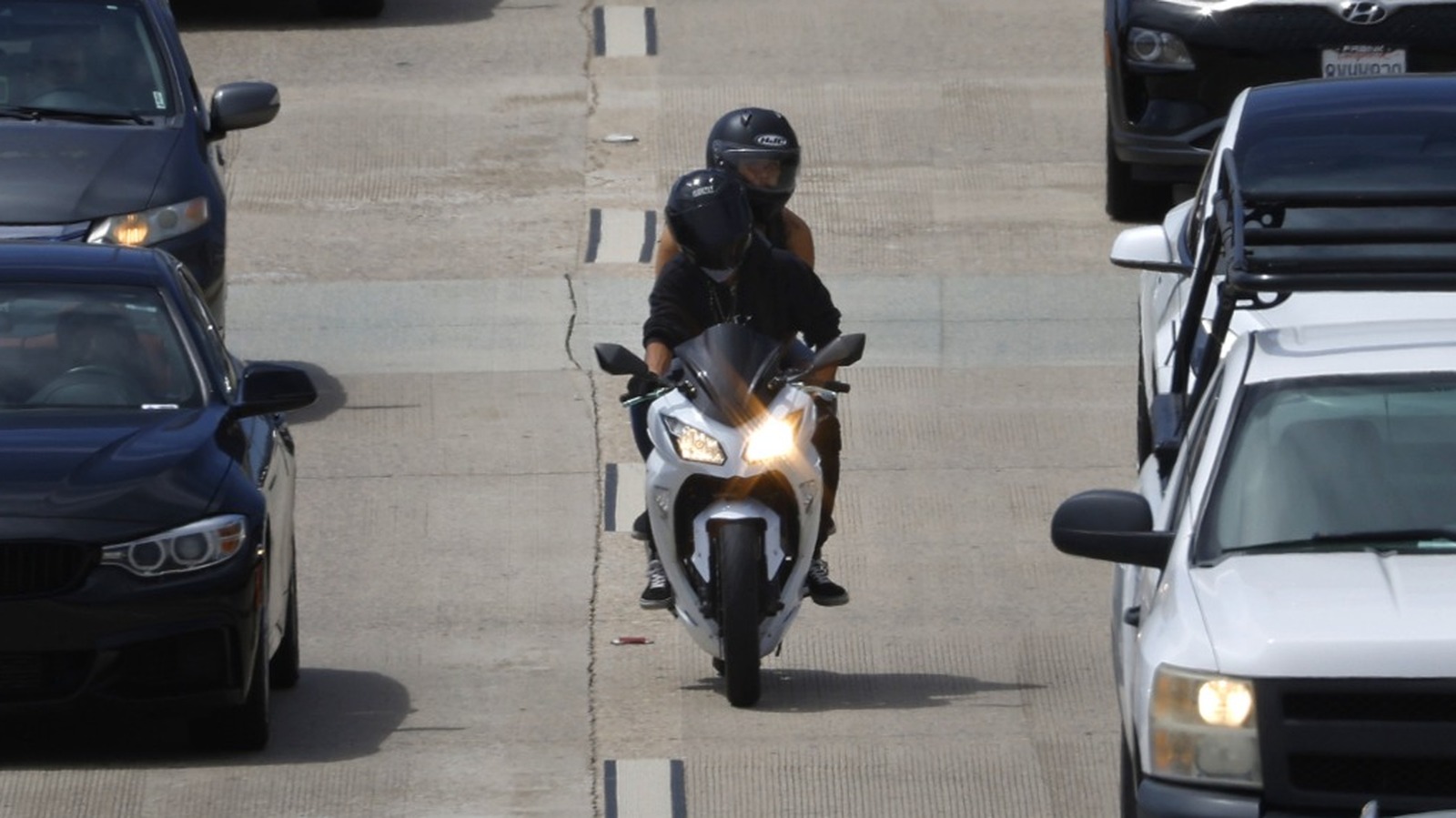
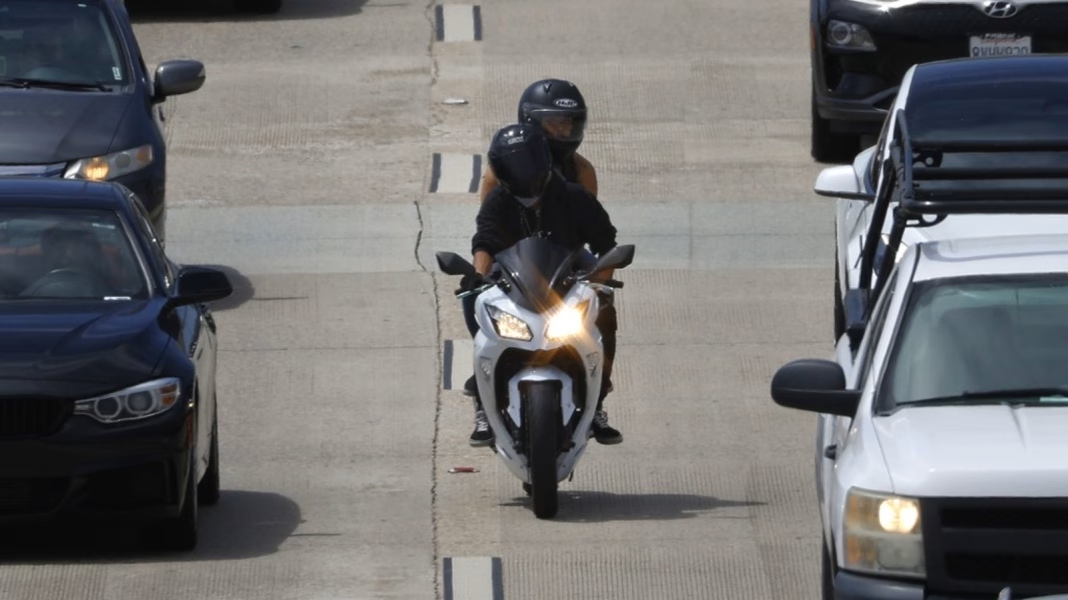
Lane splitting means riding a motorcycle between lanes of slow-moving or stopped traffic. Riders love it for a few reasons: it can cut commute times, reduce the risk of being rear-ended, and, frankly, it just feels efficient. California famously allows it, and studies from the University of California Berkeley suggest it can actually be safer for riders—if done at low speeds and with care. But every state draws its own lines.
How Have Colorado’s Motorcycle Laws Changed Recently?
In 2023, Colorado lawmakers updated several motorcycle regulations, sparking rumors that lane splitting might be on the table. The reality: the new laws mainly focus on safety gear, licensing, and clarifying existing rules. For example, there’s now more emphasis on helmet use for younger riders and clearer requirements for motorcycle endorsements on driver’s licenses. But when it comes to lane splitting, the law remains firm—motorcycles must stay within a single lane, just like cars.
Are There Any Exceptions or Loopholes for Lane Filtering?
You might have heard about “lane filtering”—a close cousin to lane splitting, where motorcycles move between cars at intersections to get to the front. Some states, like Utah, have legalized this in limited situations. In Colorado, though, neither lane splitting nor lane filtering is permitted. The Colorado Department of Transportation (CDOT) makes it clear: riding between lanes is off-limits, regardless of whether traffic is stopped or crawling.
What Are the Risks and Penalties if You Try Lane Splitting Anyway?
Tempted to give it a try? Think twice. If you’re caught lane splitting in Colorado, you could face a traffic citation, points on your license, and a fine. More importantly, if an accident happens while you’re splitting lanes, you might be found at fault—even if another driver contributed to the crash. Insurance companies and courts often view illegal maneuvers harshly, so the financial and legal risks are real.
Why Haven’t Lawmakers Legalized Lane Splitting in Colorado?
It’s not for lack of debate. Proponents argue that lane splitting could reduce congestion and improve safety for riders. Opponents worry about driver confusion and increased crash risk. According to a 2022 survey by the Colorado Motorcyclist Safety Coalition, most drivers in the state oppose lane splitting, citing concerns about visibility and unpredictability. Until public perception shifts, lawmakers are unlikely to make a move.
What Should Riders Do to Stay Safe and Legal on Colorado Roads?
Stick to your lane, follow posted speed limits, and wear all recommended safety gear—even if you’re not legally required to. Defensive riding is your best friend. If you’re itching for the freedom of lane splitting, consider planning a trip to California or Utah, where the practice is allowed under specific conditions. And keep an eye on local advocacy groups; they’re pushing for pilot programs and more research in Colorado, which could eventually change the landscape.
The big takeaway? Lane splitting in Colorado isn’t about bending the rules—it’s about knowing them cold. Respect the current law, ride smart, and you’ll keep your record (and your ride) in great shape. Start with one safer habit this week, and you’ll likely spot the difference by month’s end.