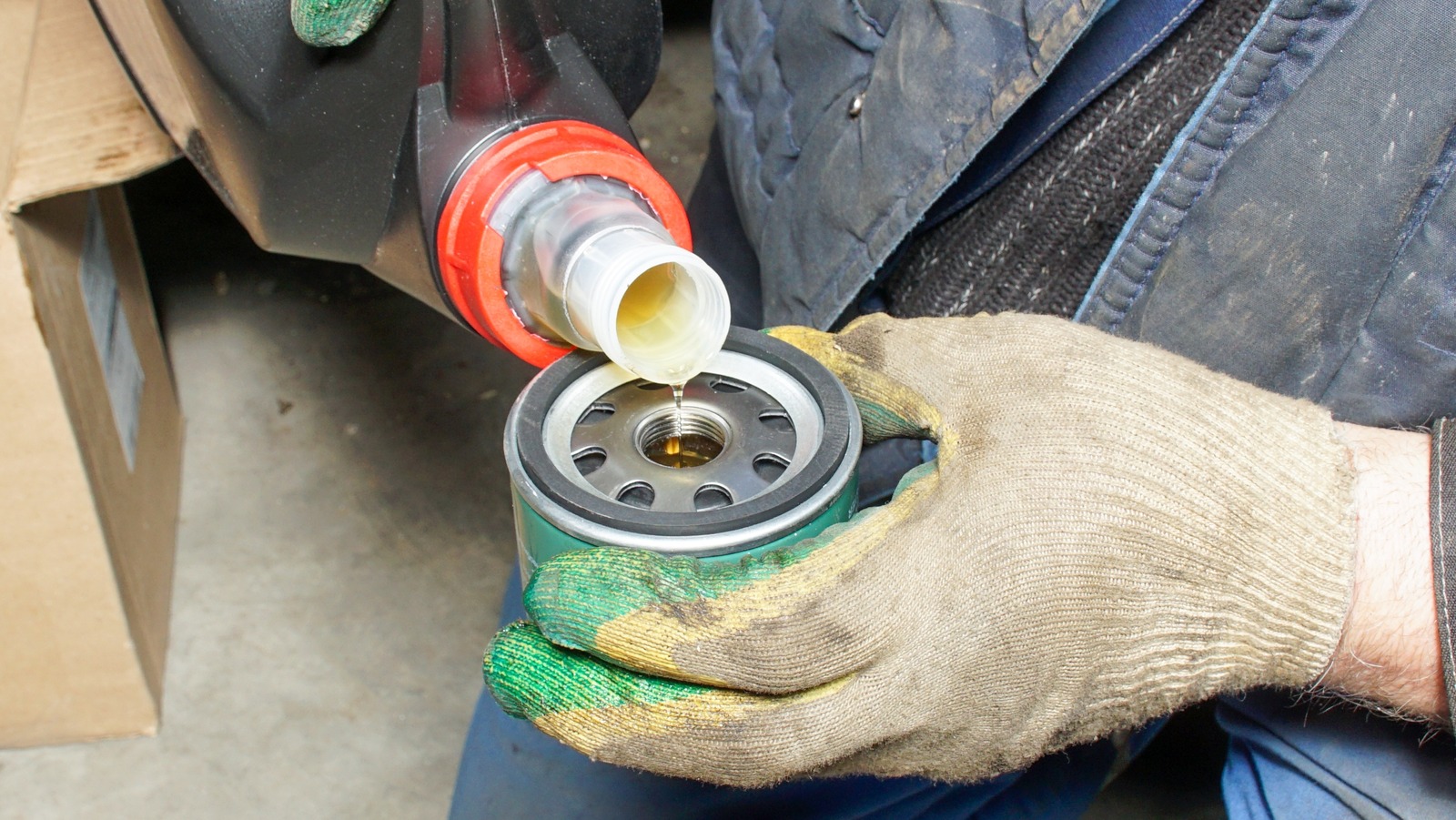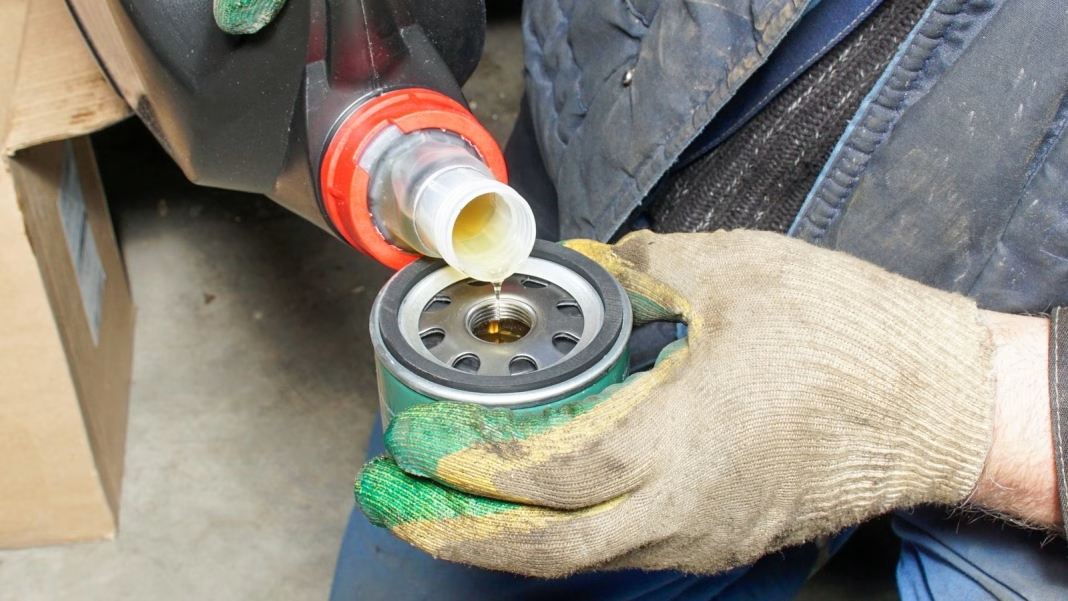
Changing your own oil filter can feel like a rite of passage for many car enthusiasts and DIYers. It’s a hands-on way to connect with your vehicle and ensure it runs smoothly. But if you’ve been following the standard advice to pre-fill your oil filter with new oil before installation, you might be wondering if that practice is still relevant. Let’s dive into this topic and explore whether pre-filling your oil filter is a must or if it’s time to rethink this approach.
Why Pre-Fill Your Oil Filter?
The traditional reasoning behind pre-filling an oil filter is straightforward: it helps to minimize dry starts. When you change your oil filter, there’s a brief moment when the engine runs without oil circulating through the filter. Pre-filling it ensures that oil is already present, allowing for better lubrication right from the get-go. This was particularly important in older engines, where the risk of damage from a dry start was a significant concern.
However, modern engines and oil filters have evolved. Many contemporary filters are designed to prevent dry starts more effectively. They often feature anti-drainback valves that keep oil in the filter, reducing the chance of running the engine without lubrication. This advancement raises the question: is pre-filling still necessary?
What Do the Experts Say?
Automotive experts have mixed opinions on this topic. Some still advocate for pre-filling, especially for high-performance or older vehicles where the risk of dry starts might be higher. Others argue that with modern technology, the benefits of pre-filling are negligible. According to a study by the Society of Automotive Engineers, many new vehicles can handle a brief period without oil circulating without significant risk.
One key point to consider is the type of oil filter you’re using. Some filters are designed with features that enhance oil flow and minimize the risk of dry starts. If you’re using a high-quality filter from a reputable brand, the need to pre-fill may be less critical.
Real-World Considerations
Let’s think about practical scenarios. If you’re in a hurry and need to change your oil quickly, skipping the pre-fill might save you a few minutes. However, if you’re meticulous about your car’s maintenance, taking the time to pre-fill could give you peace of mind. It’s all about your priorities and the specific needs of your vehicle.
Also, consider the environment. If you’re pre-filling your filter and spilling oil in the process, that’s not great for the planet. Being mindful of how you handle oil can make a difference, especially if you’re changing oil frequently.
What’s the Bottom Line?
So, is pre-filling your oil filter outdated advice? It seems the answer isn’t black and white. While modern filters and engines have mitigated some of the risks associated with dry starts, pre-filling can still be a good practice, especially for older vehicles or if you want to ensure optimal lubrication from the start.
The big takeaway? Pre-filling isn’t about perfection—it’s about smarter adjustments. If you feel more comfortable pre-filling, go for it. If you’re using a high-quality filter and a modern engine, you might decide it’s not necessary. Start with one change this week, and you’ll likely spot the difference by month’s end.