Is Your Car Burning Oil Too Quickly? Here’s What You Need to Know
It’s perfectly normal for your car to consume some oil over time. Just like you might need to top off your coffee during a long meeting, your vehicle requires regular oil maintenance to keep everything running smoothly. However, if you find yourself adding oil more frequently than expected, it might be time to dig a little deeper. Let’s explore what’s considered normal oil consumption and when it becomes a cause for concern.
Understanding Oil Consumption: What’s Normal?
Most modern engines are designed to use a small amount of oil between changes. A general rule of thumb is that consuming about one quart of oil every 1,000 to 2,000 miles is typically acceptable. However, this can vary based on the make and model of your vehicle, as well as its age and driving conditions. For instance, high-performance engines or older vehicles may have different tolerances.
If you’re constantly checking your oil and find that you’re topping it off every few hundred miles, that’s a red flag. It’s worth noting that some manufacturers have specific guidelines on oil consumption, so checking your owner’s manual can provide clarity.
Signs Your Car Might Be Burning Oil
So, how can you tell if your car is burning oil excessively? Here are a few signs to watch for:
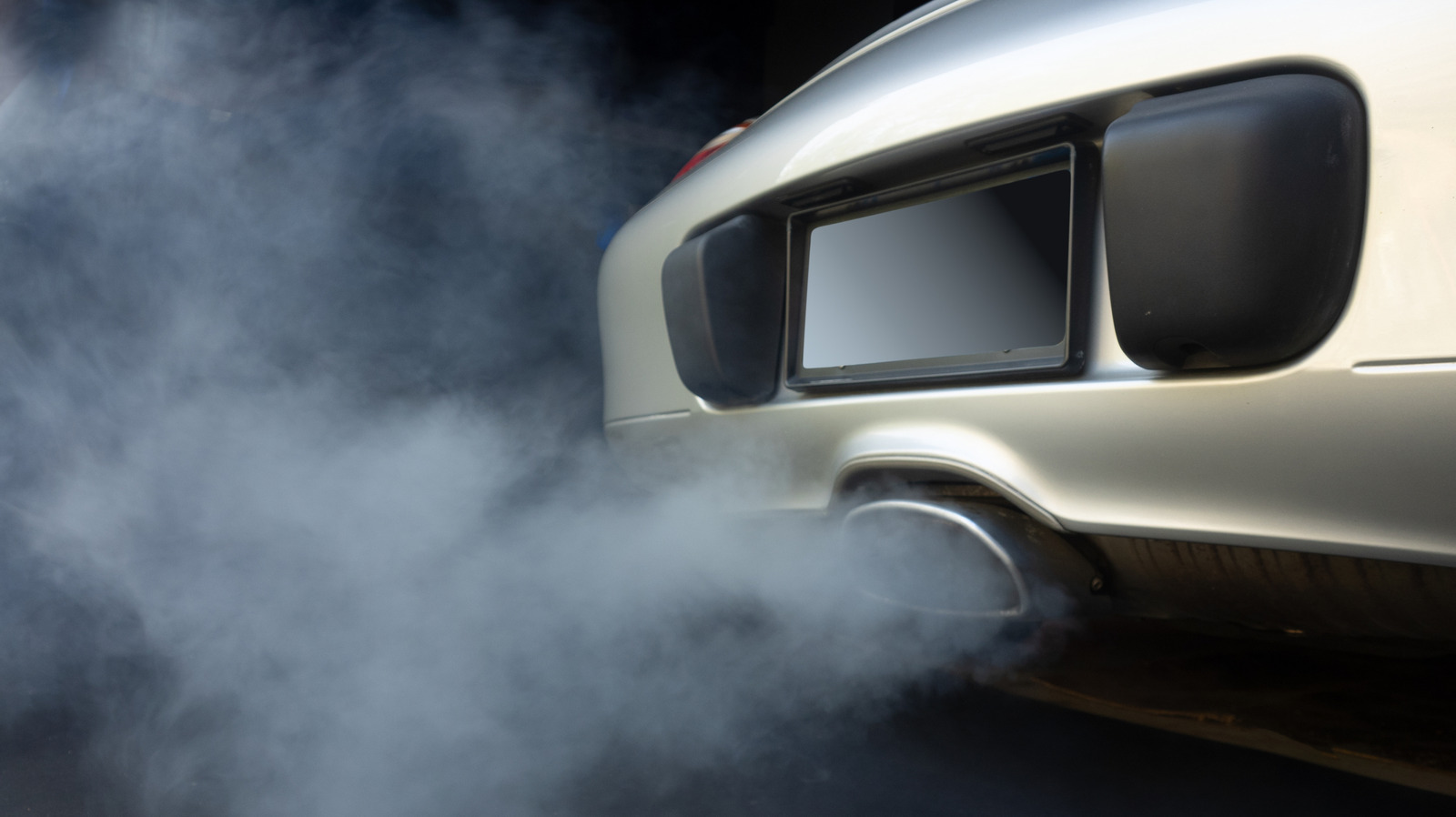
1. **Blue Smoke from the Exhaust**: If you notice blue smoke when you start your car or during acceleration, it’s a strong indicator that oil is entering the combustion chamber and being burned.
2. **Oil Spots**: Puddles or spots of oil under your car can indicate a leak. While this isn’t the same as burning oil, it’s still a serious issue that needs attention.
3. **Oil Warning Light**: If your dashboard oil warning light comes on, it’s time to investigate. This could mean low oil levels or pressure issues, both of which can lead to engine damage if not addressed.
4. **Increased Engine Noise**: Oil lubricates the engine components. If you’re hearing more noise than usual, it could be a sign that your engine isn’t getting enough oil.
What Causes Excessive Oil Consumption?
Several factors can contribute to increased oil consumption. Here are a few common culprits:
– **Worn Engine Components**: Over time, parts like piston rings and valve seals can wear down, allowing oil to escape into the combustion chamber.
– **Improper Oil Type**: Using the wrong oil viscosity can lead to increased consumption. Always refer to your owner’s manual for the recommended oil type.
– **Frequent Short Trips**: Short trips don’t allow the engine to reach optimal operating temperature, which can lead to incomplete combustion and increased oil consumption.
– **Engine Overheating**: If your engine runs hotter than it should, it can cause oil to break down more quickly, leading to higher consumption.
What Should You Do If Your Car Is Burning Oil?
If you suspect your car is burning oil too quickly, it’s best to consult with a trusted mechanic. They can perform a thorough inspection to identify the root cause. In some cases, a simple fix like replacing worn seals or using a different oil type can make a significant difference.
Additionally, keeping up with regular maintenance can help catch issues before they escalate. Regular oil changes, using high-quality oil, and monitoring oil levels can go a long way in maintaining your engine’s health.
The big takeaway? Oil consumption isn’t about perfection—it’s about smarter adjustments. Start by checking your oil levels regularly and noting any changes in consumption. If you notice anything unusual, don’t hesitate to reach out to a professional. Addressing these issues early can save you time, money, and a lot of headaches down the road.