How Will Blade and Joby’s Partnership Change Urban Air Travel?
If you’ve ever dreamed of skipping city traffic by hopping into a flying taxi, you’re not alone. The partnership between Blade and Joby is set to make that vision a reality sooner than you might think. With flights expected to kick off next year, this collaboration could reshape how we think about getting around crowded cities.
What Makes This Deal Different From Other Air Taxi Promises?
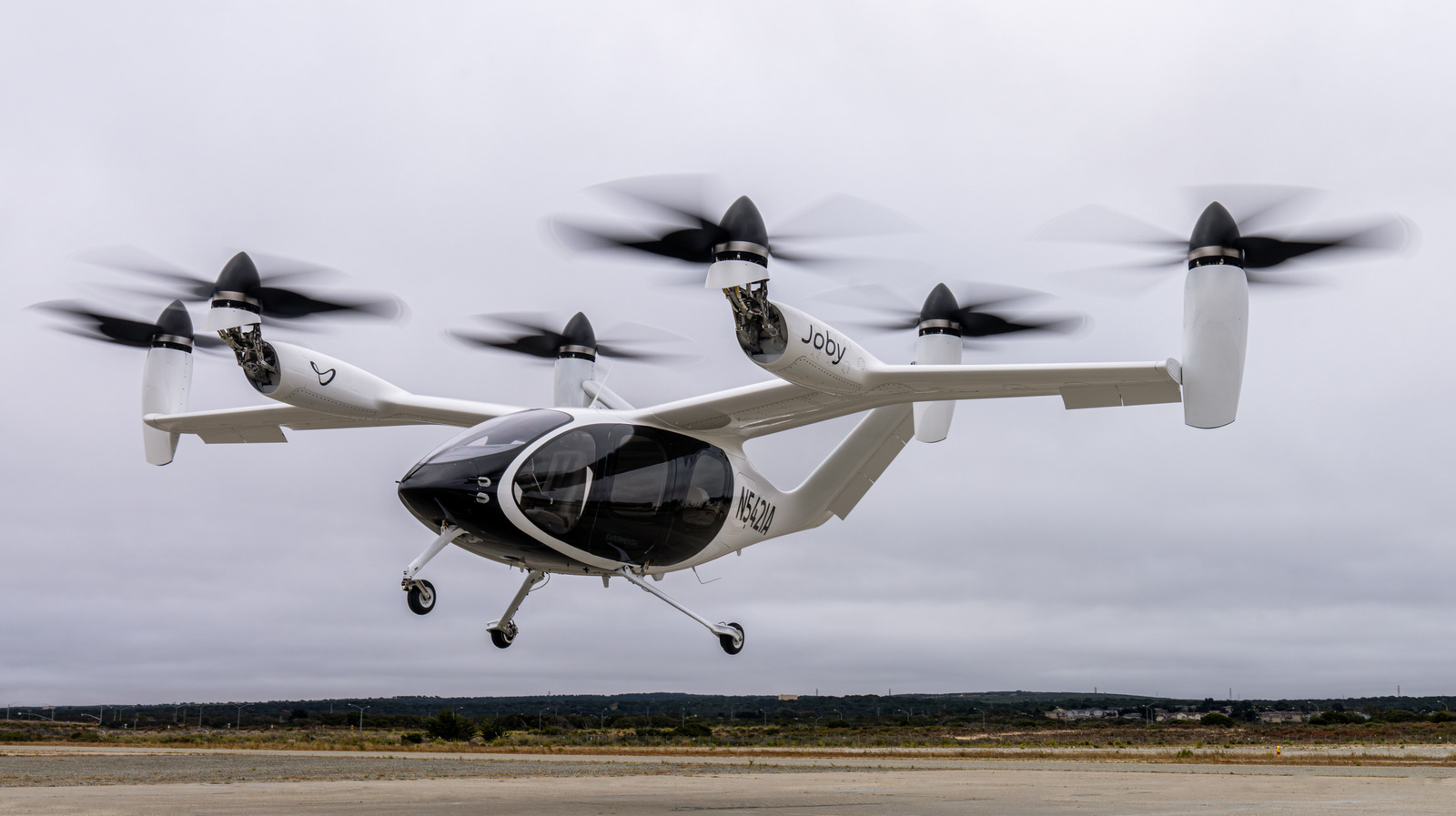
Let’s be honest—urban air mobility has been a buzzword for years, but most of us are still stuck in gridlock on the ground. What sets the Blade-Joby deal apart is the combination of Blade’s established customer base and Joby’s cutting-edge electric aircraft. Blade already runs a successful helicopter taxi service, shuttling thousands of passengers between city centers and airports. Now, by plugging those users into Joby’s quieter, greener electric vertical takeoff and landing (eVTOL) aircraft, the companies are aiming to leapfrog the competition.
According to a 2023 report from McKinsey, the global urban air mobility market could reach $9 billion by 2030, but only if companies can move beyond pilot programs and into real, everyday service. Blade and Joby’s plan to launch actual flights next year puts them ahead of many rivals still stuck in the testing phase.
How Will This Impact Commuters and City Life?
Imagine booking a ride to the airport and bypassing an hour of bumper-to-bumper traffic. That’s the promise here. Blade’s app already makes it easy for users to reserve flights, and integrating Joby’s aircraft means those flights will be quieter, cleaner, and potentially more affordable over time. For city dwellers, this could mean less noise pollution and fewer emissions compared to traditional helicopters.
There’s also a ripple effect. As air taxis become more common, city planners may need to rethink infrastructure—think rooftop landing pads and new regulations. A study from the National Renewable Energy Laboratory highlights that eVTOLs could cut urban travel emissions by up to 52% compared to gasoline-powered cars, especially if powered by renewable energy. That’s a win for both commuters and the environment.
Are There Any Real-World Examples of This Working?
New York City has been a testing ground for Blade’s helicopter service, with thousands of successful flights between Manhattan and area airports. The transition to Joby’s eVTOLs is expected to build on this foundation, offering a smoother, quieter ride. In Los Angeles, city officials are already exploring partnerships with air mobility companies to reduce congestion ahead of the 2028 Olympics. These early adopters show that urban air travel isn’t just a sci-fi fantasy—it’s inching closer to daily reality.
What Should Travelers Expect When Flights Launch?
If you’re a Blade user, you’ll likely notice a few changes. The booking process will stay familiar, but the aircraft will be all-electric, with reduced noise and a smaller carbon footprint. Joby’s eVTOLs are designed for short hops—perfect for airport transfers or quick city-to-city trips. Expect flight times of 10 to 30 minutes, with prices that could become more competitive as the technology scales.
Safety is a top priority. Both companies are working closely with the FAA to ensure all flights meet strict regulatory standards. According to aviation experts, eVTOLs have fewer moving parts than helicopters, which could mean lower maintenance costs and improved reliability in the long run.
What’s the Catch? Challenges and What Comes Next
No new technology launches without hiccups. Regulatory hurdles, public acceptance, and infrastructure upgrades are all on the to-do list. There’s also the question of cost—while prices may drop over time, early adopters will likely pay a premium. Still, the momentum is real. With major investments and a clear timeline, Blade and Joby are betting big that city dwellers are ready for a new way to fly.
The big takeaway? Urban air travel isn’t about perfection—it’s about smarter adjustments. Start with one change this week, and you’ll likely spot the difference by month’s end. Whether you’re booking a flight or just watching the skies, the future of commuting is about to get a whole lot more interesting.