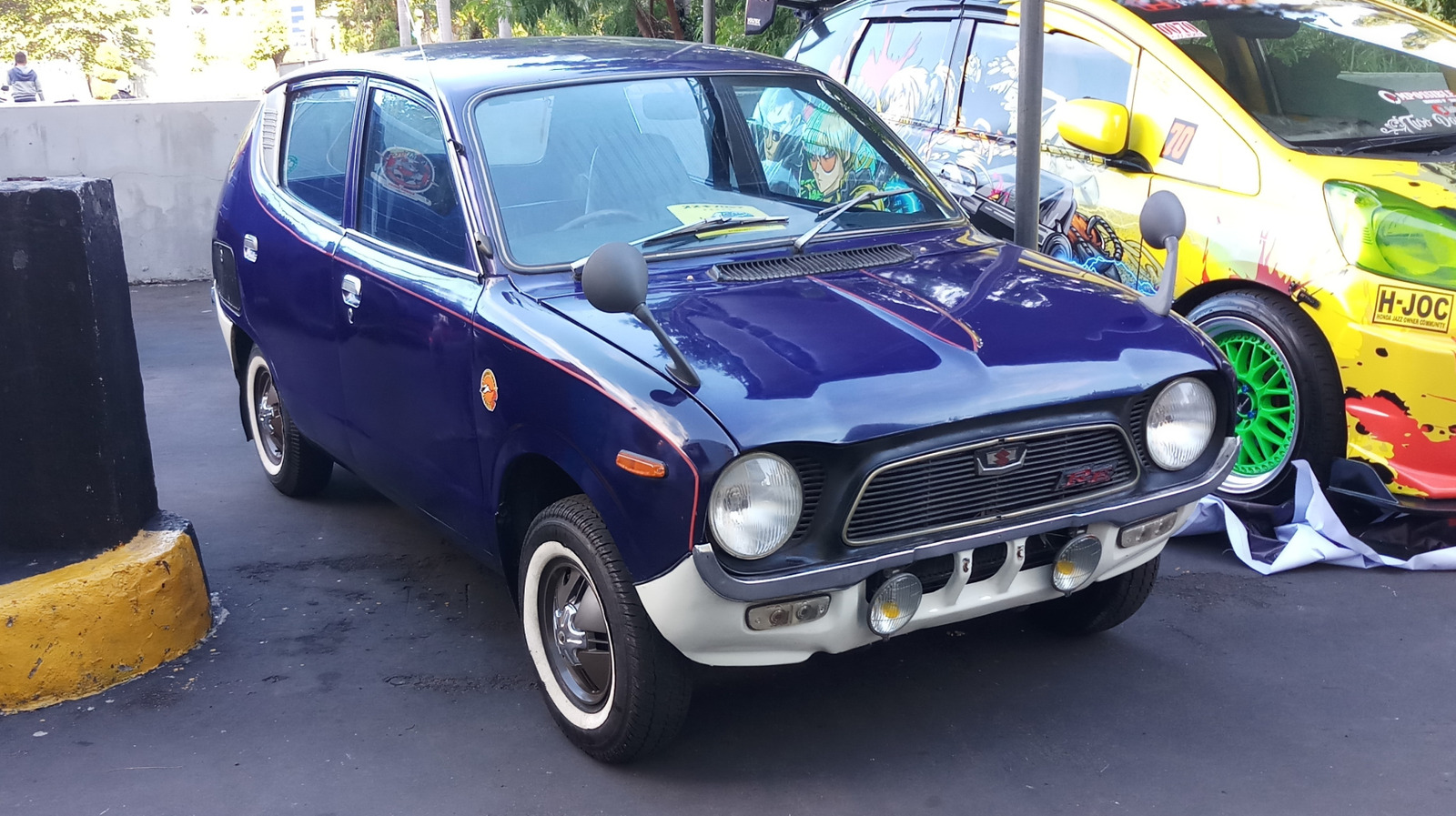
What Exactly Is a Kei Car and Why Are They So Popular in Japan?
Kei cars, pronounced like the letter K, are a unique breed of ultra-compact vehicles that have become a fixture on Japanese roads. But they’re not just small for the sake of being cute—there’s a whole world of regulation, culture, and practicality behind their design. So what makes a kei car a kei car? In Japan, these vehicles are strictly defined by government regulations: they must be under 3.4 meters long, 1.48 meters wide, and 2 meters tall, with an engine no larger than 660cc. That’s tiny by most standards, but there’s a method to the madness.
The appeal? It’s all about efficiency and accessibility. Japan’s cities are famously dense, with narrow streets and limited parking. Kei cars are tailor-made for this environment, offering easy maneuverability and lower ownership costs. Owners benefit from reduced taxes, cheaper insurance, and, in many cases, the ability to register their car without proving they have a dedicated parking space—a big deal in urban Japan.
How Did Kei Cars Come About in the First Place?
The story of kei cars dates back to post-war Japan. In the late 1940s, the government wanted to get the country moving again, literally. They introduced the kei car category to encourage affordable, practical transportation for the masses. Early models were bare-bones, but as Japan’s economy grew, so did the sophistication of these pint-sized rides.
By the 1970s and 80s, kei cars had evolved into a symbol of Japanese ingenuity. Automakers like Suzuki, Daihatsu, and Honda began pushing the limits of what could fit within the kei car regulations, squeezing in clever storage solutions, turbocharged engines, and even convertible roofs. Today, kei cars account for roughly a third of all new car sales in Japan, according to the Japan Automobile Manufacturers Association.
What Features Set Kei Cars Apart From Regular Cars?
It’s easy to spot a kei car once you know what to look for. They’re boxy, upright, and often surprisingly roomy inside despite their tiny footprint. Many models feature sliding doors, tall roofs, and flat floors to maximize usable space. Think of them as the Swiss Army knives of the automotive world—small on the outside, but full of surprises.
Under the hood, kei cars are limited to 660cc engines, usually three-cylinder units. Don’t expect blistering speed, but that’s not the point. These cars are about zipping through traffic, squeezing into impossibly tight parking spots, and sipping fuel. Some kei cars even come with all-wheel drive, making them surprisingly capable in Japan’s snowy regions.
Are Kei Cars Only for Japan, or Can You Find Them Elsewhere?
While kei cars were designed with Japan in mind, their charm hasn’t gone unnoticed abroad. In recent years, enthusiasts in the United States, the UK, and Australia have started importing these quirky vehicles, drawn by their unique looks and fuel efficiency. In the US, for example, kei cars over 25 years old can be legally imported, and you’ll spot models like the Honda Beat or Suzuki Cappuccino at car shows and meetups.
That said, kei cars face challenges outside Japan. Their small engines and lightweight construction aren’t always a perfect fit for highways or safety regulations in other countries. Still, for city dwellers or collectors, they offer a refreshing alternative to the usual automotive fare.
What’s It Like to Own and Drive a Kei Car?
If you’ve ever slipped behind the wheel of a kei car, you know it’s a different experience. The driving position is upright, visibility is excellent, and controls are simple. Parking becomes almost a game—suddenly, every spot looks enormous. Owners often rave about the low running costs: fuel economy regularly exceeds 40 miles per gallon, and maintenance is straightforward thanks to simple mechanicals.
But there are trade-offs. Highway driving can feel a bit strained, especially with a full load of passengers or cargo. And while modern kei cars have improved safety features, they’re still smaller and lighter than most vehicles on the road. For many, though, the benefits far outweigh the compromises, especially in urban settings.
Why Do Kei Cars Matter Beyond Just Being Small?
Kei cars are more than just a clever response to tight streets—they’re a window into Japanese culture and innovation. They reflect a mindset that values practicality, efficiency, and creative problem-solving. In a world where bigger often seems better, kei cars remind us that sometimes, less really is more.
The big takeaway? Kei cars aren’t about perfection—they’re about smarter adjustments. Start with one change this week, and you’ll likely spot the difference by month’s end. Whether you’re navigating a crowded city or just looking for a new perspective on what a car can be, there’s a lot to learn from these tiny titans.