Why Did Dodge Think Pink Cars Would Win Over Women?
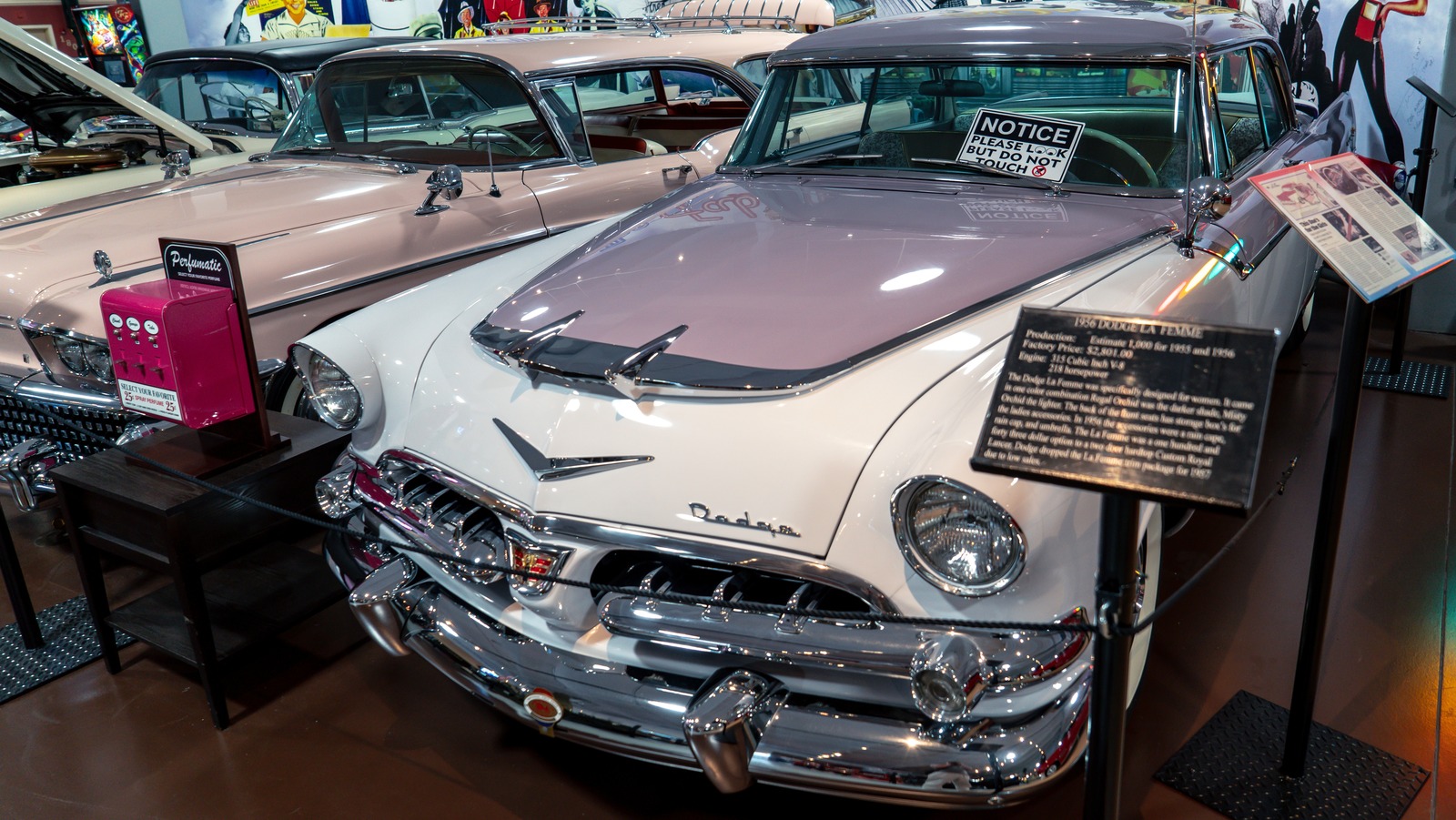
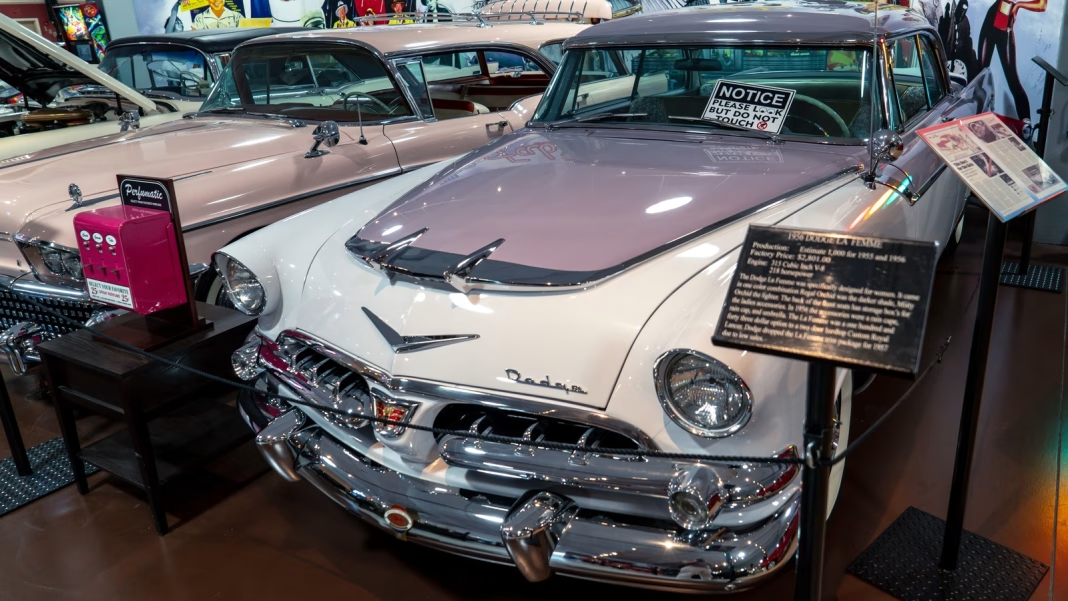
Back in the 1950s, automakers were scrambling to tap into the growing market of women drivers. Dodge, eager to get ahead, rolled out the La Femme—a car designed and marketed specifically for women. Their big idea? Paint it pink or orchid, toss in a matching umbrella and change purse, and call it a day. The thinking was simple: women like pretty things, so a pretty car must be a hit. But was it really that straightforward?
What Features Made the La Femme Stand Out?
The La Femme wasn’t just a regular Dodge with a new paint job. Dodge went all-in on the theme. The interior was upholstered in pink tapestry fabric, the accessories were color-coordinated, and even the rain gear matched the car’s palette. It was a full-on aesthetic experience, right down to the smallest detail. The car came with a matching handbag, compact, lipstick case, and cigarette lighter—all designed to fit neatly into special compartments.
On paper, it sounds like a thoughtful package. But here’s the catch: the La Femme didn’t offer anything new under the hood. No unique performance features, no advanced safety options, and certainly nothing that addressed the practical needs of women drivers at the time. It was all about the look.
Did Women Actually Want a Car Like This?
Here’s where things get interesting. Dodge’s approach was based on a narrow view of what women wanted. They assumed that color and accessories would be enough to win over female buyers. But surveys and interviews from that era—and even today—show that women, like men, care about reliability, safety, value, and performance. According to a 2023 report from S&P Global Mobility, women now influence over 60% of car purchases in the US, and their top priorities are fuel efficiency, safety ratings, and overall value—not just aesthetics.
The La Femme’s sales numbers tell the story. Fewer than 2,500 units were sold over two years. Many women saw the car as patronizing, and the novelty quickly wore off. The result? The La Femme quietly disappeared from showrooms, becoming a quirky footnote in automotive history.
What Can Modern Brands Learn from the La Femme’s Failure?
The La Femme’s story is a classic example of missing the mark by focusing on stereotypes instead of real needs. Today’s successful brands know better. They use focus groups, data analytics, and direct feedback to understand what buyers actually want. For example, when Volvo introduced its City Safety system, it was in response to research showing that women valued advanced safety features. The feature became a hit across the board, not just with women.
Modern carmakers are also paying attention to ergonomics—like adjustable pedals and easier-to-use controls—because they know one size doesn’t fit all. The lesson? Listen first, design second.
Are There Any Success Stories of Cars Designed with Women in Mind?
Absolutely. Take the Honda CR-V and Toyota RAV4. Both models have consistently ranked high with women buyers, not because of color or accessories, but because they offer practicality, safety, and comfort. These vehicles have spacious interiors, flexible cargo space, and top safety ratings. They’re proof that when you address real-world needs, everyone wins.
What’s the Real Secret to Designing Products Women Love?
It’s not about painting things pink or adding frills. It’s about empathy and understanding. Brands that take the time to research, ask questions, and involve women in the design process end up with products that resonate. According to a 2022 McKinsey report, companies with diverse design teams outperform their peers by 25% in innovation metrics. That’s not a coincidence.
The big takeaway? Appealing to women—or any group, really—isn’t about perfection or surface-level tweaks. It’s about smarter adjustments rooted in genuine understanding. Start with one meaningful change this week, and you’ll likely spot the difference by month’s end.