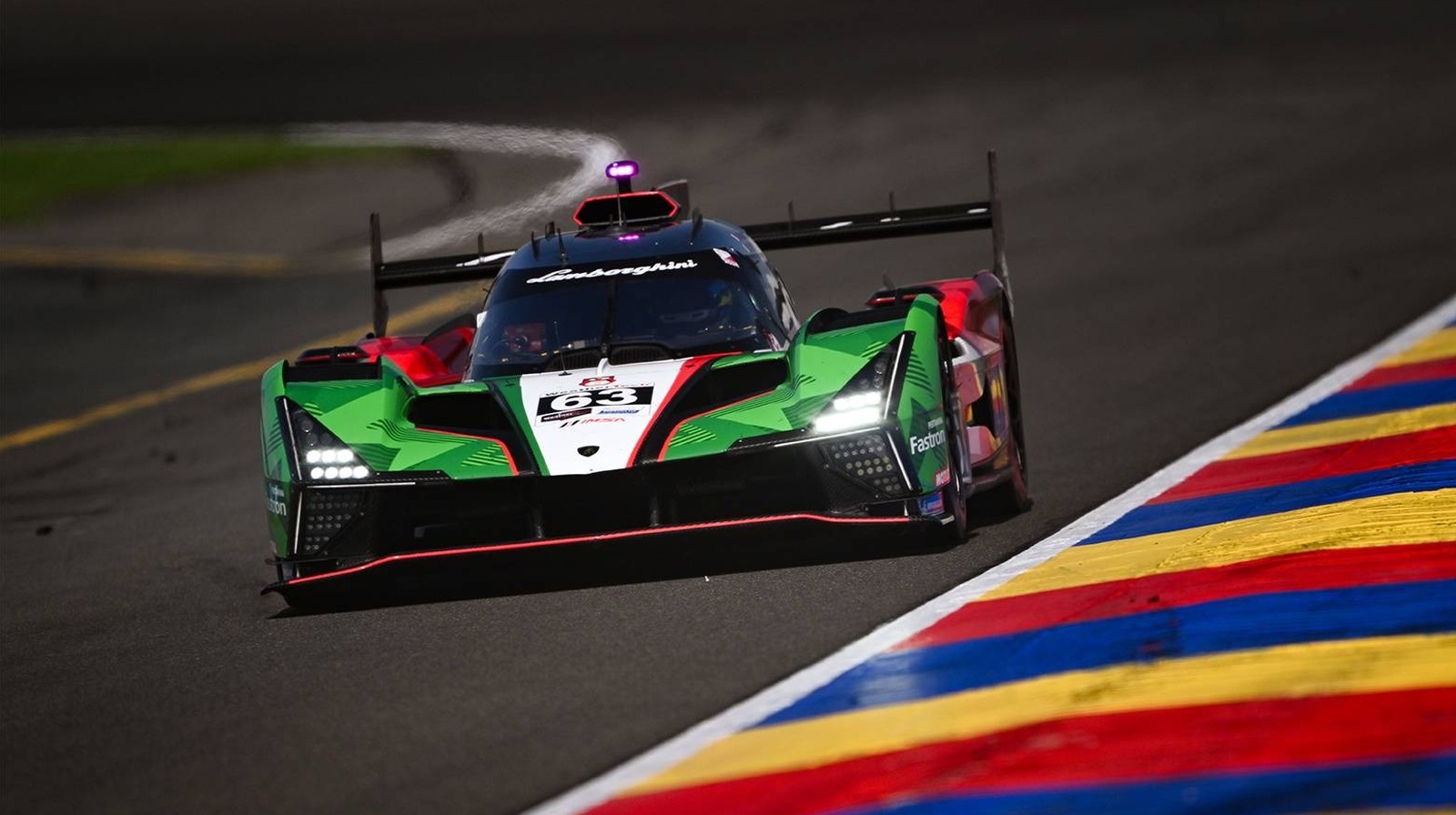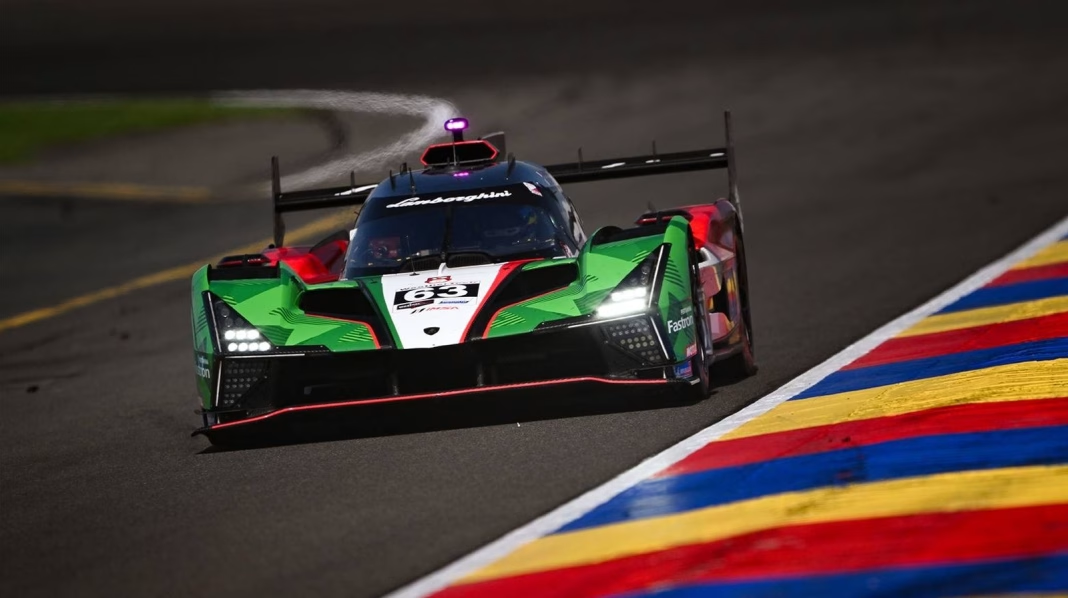
Why Did Lamborghini Bet Big on the SC63 LMDh Program?
Lamborghini has always been synonymous with boldness—on the road and the racetrack. So when the Italian marque announced its entry into the LMDh (Le Mans Daytona hybrid) program with the SC63, expectations soared. This wasn’t just about adding another trophy to the shelf. It was about staking a claim in the future of endurance racing, where hybrid technology and sustainability are reshaping the sport.
The move made sense. LMDh regulations were designed to level the playing field, letting manufacturers compete at the highest level without blowing the budget. For Lamborghini, it was a chance to flex its engineering muscle and prove that its signature flair could thrive in a new era. Fans and industry insiders alike buzzed with anticipation—could the raging bull charge to the front of the pack?
What Went Wrong with the SC63’s Ambitious Plans?
On paper, the SC63 had all the right ingredients: a hybrid powertrain, a sleek aerodynamic profile, and the backing of a brand with decades of motorsport heritage. Yet, as the program unfolded, cracks began to show. Development delays, technical hiccups, and fierce competition from established giants like Porsche and Toyota made progress painfully slow.
Insiders point to a few key missteps. First, Lamborghini was relatively late to the LMDh party, joining after rivals had already logged thousands of test miles. Catching up proved tougher than expected. Second, integrating hybrid systems into a race car isn’t just about bolting on batteries—it’s a delicate dance of weight, cooling, and software. Even for a company as resourceful as Lamborghini, the learning curve was steep.
Perhaps most telling, though, was the shifting landscape of endurance racing itself. As budgets tightened and priorities shifted, Lamborghini faced tough choices about where to invest. The result? The SC63 program stalled before it could ever truly shine.
How Did the SC63 Compare to Its Rivals?
Let’s be honest: the LMDh grid is a shark tank. Porsche, Cadillac, Acura, and BMW all brought deep pockets and years of hybrid experience to the table. Lamborghini, for all its bravado, was the new kid on the block. While the SC63 looked stunning and sounded ferocious, it struggled to match the pace and reliability of its rivals during testing.
Take Porsche’s 963, for example. It clocked over 30,000 kilometers in pre-season testing, ironing out bugs and fine-tuning performance. Lamborghini’s SC63, by contrast, was still ironing out basics when others were dialing in race setups. The difference showed on the stopwatch—and in the results.
What Lessons Can Other Manufacturers Learn from the SC63 Story?
Lamborghini’s experience with the SC63 isn’t just a cautionary tale—it’s a masterclass in the realities of modern motorsport. Jumping into a new racing category, especially one as complex as LMDh, demands more than passion and pedigree. It takes relentless testing, deep technical partnerships, and a willingness to adapt on the fly.
One key takeaway: hybrid racing isn’t for the faint of heart. The technology is evolving at breakneck speed, and even small miscalculations can set a program back months. Manufacturers considering a similar leap need to invest early, build strong alliances (especially with battery and software experts), and be ready for a few bruises along the way.
What’s Next for Lamborghini in Motorsport?
Giving up on the SC63 doesn’t mean Lamborghini is retreating from racing altogether. Far from it. The brand has a rich history in GT racing and customer motorsport, and sources close to the company suggest those programs will get renewed focus. There’s also talk of leveraging lessons learned from the SC63 to inform future road and race car development, especially as hybrid and electric tech become central to Lamborghini’s DNA.
Fans may feel disappointed, but the story isn’t over. Motorsport is all about evolution, and sometimes the boldest moves are the ones that teach the most.
The big takeaway? Motorsport innovation isn’t about perfection—it’s about smarter adjustments. Start with one change this week, and you’ll likely spot the difference by month’s end.