Why Do Off-Roaders Still Crave Manual Transfer Cases?
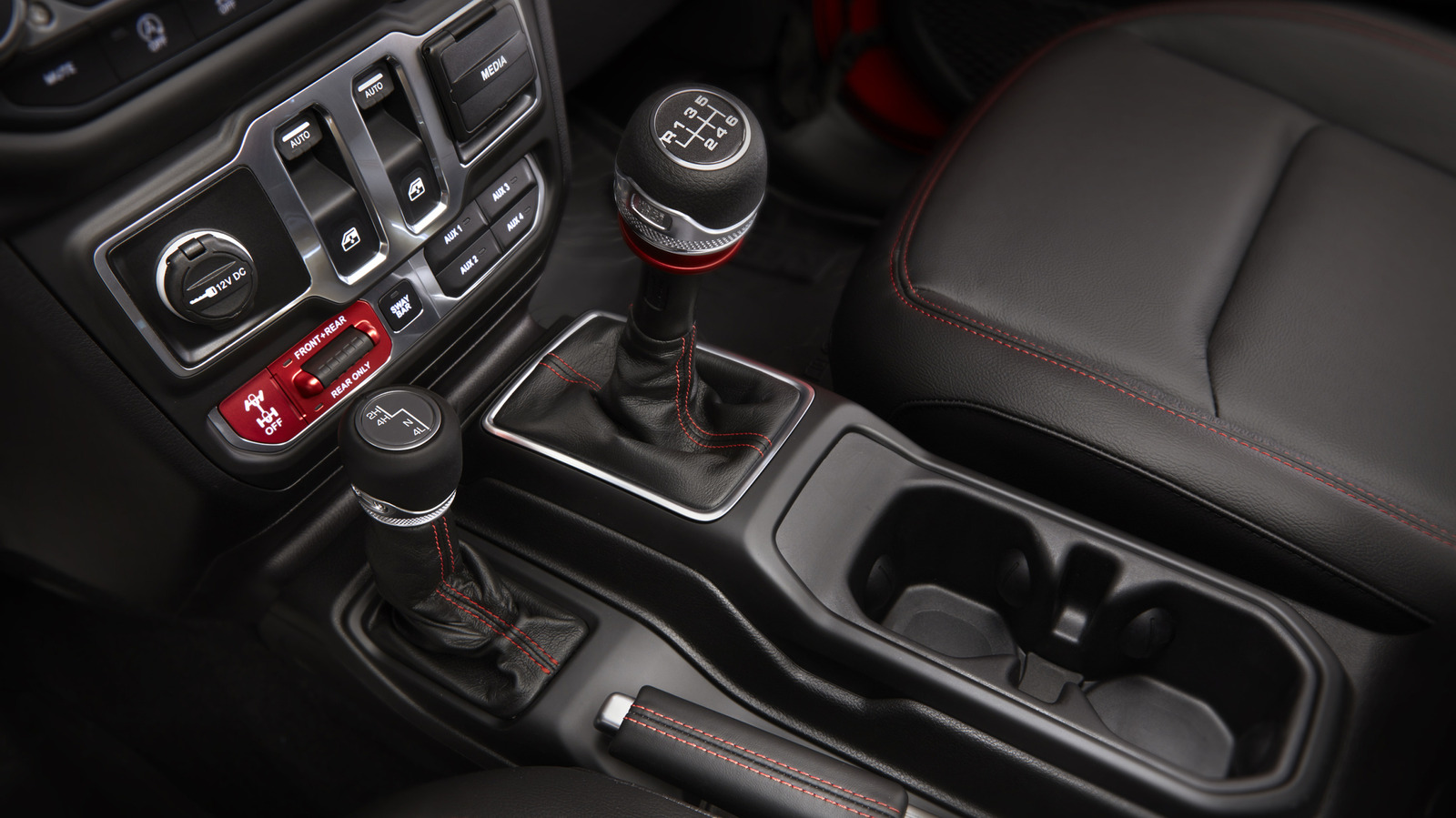
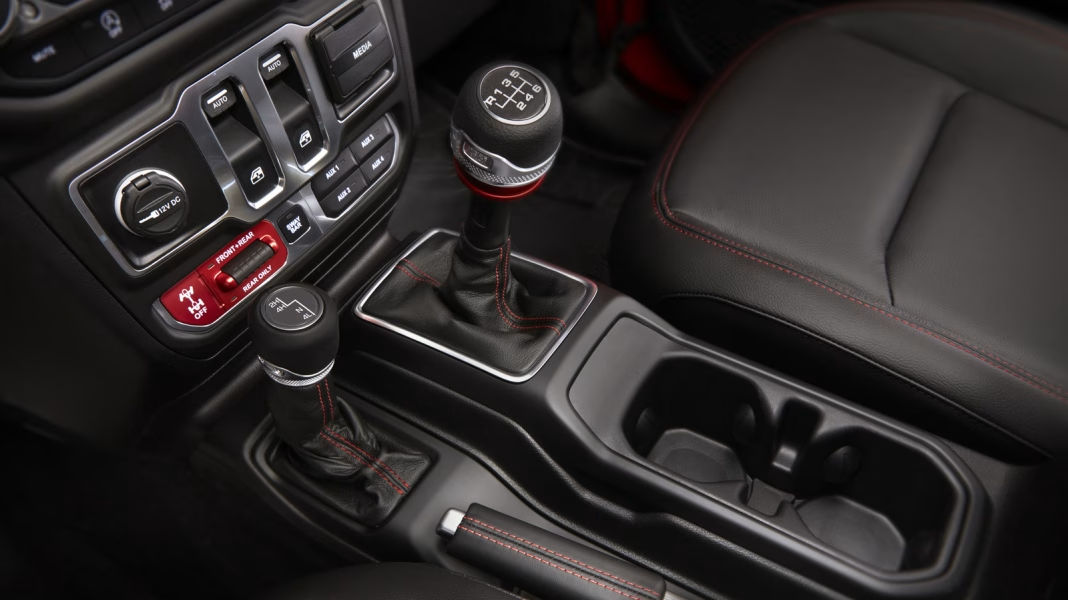
If you’ve ever spent a weekend crawling over rocks or slogging through mud, you know that control is everything. That’s where a manual transfer case shines. Unlike their electronic counterparts, manual transfer cases let you physically shift between 2WD, 4WD High, and 4WD Low using a lever—no waiting for a computer to decide if you’re serious. For many off-road enthusiasts, that tactile connection isn’t just nostalgic; it’s about reliability and real-time response.
Manual transfer cases are prized for their simplicity. Fewer electronics mean fewer things to fail when you’re miles from the nearest tow truck. And when you’re facing unpredictable terrain, being able to feel the gear engagement can make the difference between powering through and getting stuck. It’s not just about tradition—it’s about trust.
Which New Vehicles Still Offer a Manual Transfer Case?
Here’s the reality: manual transfer cases are becoming rare. Automakers have shifted toward electronic systems for convenience and mass-market appeal. Still, a handful of vehicles stubbornly keep the old-school lever alive, catering to purists who demand hands-on control.
As of 2024, the Jeep Wrangler and Gladiator remain two of the most accessible choices for buyers who want a manual transfer case. Both models, especially in their Rubicon trims, offer robust off-road hardware and a lever-operated transfer case. The Toyota 4Runner, particularly in its TRD Pro and Off-Road trims, also keeps the manual lever, though rumors suggest future generations may phase it out. The Ford Bronco, in select configurations, has reintroduced the manual transfer case to much fanfare, signaling that there’s still a market for this feature.
Why Are Manual Transfer Cases Disappearing?
It’s not just nostalgia driving the decline. Modern vehicles are packed with electronic aids—traction control, hill descent, and automatic 4WD engagement—that make off-roading more accessible to the average driver. Automakers also face tighter fuel efficiency and emissions standards, pushing them toward lighter, more efficient drivetrains. Electronic transfer cases are easier to integrate with these systems and often weigh less.
There’s also the matter of cost. Manual transfer cases require more robust mechanical linkages and floor space for the lever, which complicates interior design and manufacturing. For most buyers, the convenience of a push-button system outweighs the benefits of a manual lever—so automakers follow the money.
Are There Real-World Benefits to a Manual Transfer Case?
Absolutely. Ask any seasoned off-roader, and you’ll hear stories of electronic systems failing at the worst possible moment—like mid-river crossing or halfway up a steep incline. Manual transfer cases, with their direct mechanical linkage, are less prone to electrical gremlins. If something does go wrong, repairs are often simpler and can sometimes be handled with basic tools.
There’s also a psychological edge. When you physically move the lever, you know exactly what’s happening under the vehicle. That confidence can be a game-changer in high-stress situations. It’s not just about nostalgia; it’s about knowing your equipment inside and out.
What Should You Consider Before Choosing a Manual Transfer Case?
Before you hunt down a vehicle with a manual transfer case, think about your driving habits. If your adventures mostly involve paved roads with the occasional dirt trail, an electronic system might be more convenient. But if you’re planning serious off-road excursions—think overlanding, rock crawling, or deep snow—manual control can be worth the trade-offs.
Maintenance is another factor. Manual transfer cases require periodic checks for fluid levels and linkage wear, but they’re generally robust. If you’re handy with a wrench, you’ll appreciate the straightforward design. If not, make sure you have a trusted mechanic who understands old-school 4WD systems.
Can You Retrofit a Manual Transfer Case?
For die-hard enthusiasts, retrofitting is an option—though it’s not for the faint of heart. Swapping an electronic system for a manual one involves significant mechanical and sometimes electronic work. You’ll need to source the right parts, possibly modify the transmission tunnel, and rewire certain controls. It’s a project best left to experienced mechanics or dedicated hobbyists.
Still, for those who want the ultimate in control and reliability, the effort can be worth it. There’s a growing aftermarket for manual transfer case conversions, especially for popular platforms like older Jeeps and Toyotas.
What’s the Future for Manual Transfer Cases?
The writing’s on the wall: manual transfer cases are an endangered species. As automakers embrace electrification and advanced driver aids, the market for purely mechanical systems will keep shrinking. That said, there’s always a niche for enthusiasts who value simplicity and control. Specialty models and aftermarket conversions will likely keep the manual lever alive for years to come.
The big takeaway? Chasing the perfect off-road setup isn’t about perfection—it’s about smarter adjustments. Start with one change this week, and you’ll likely spot the difference by month’s end.