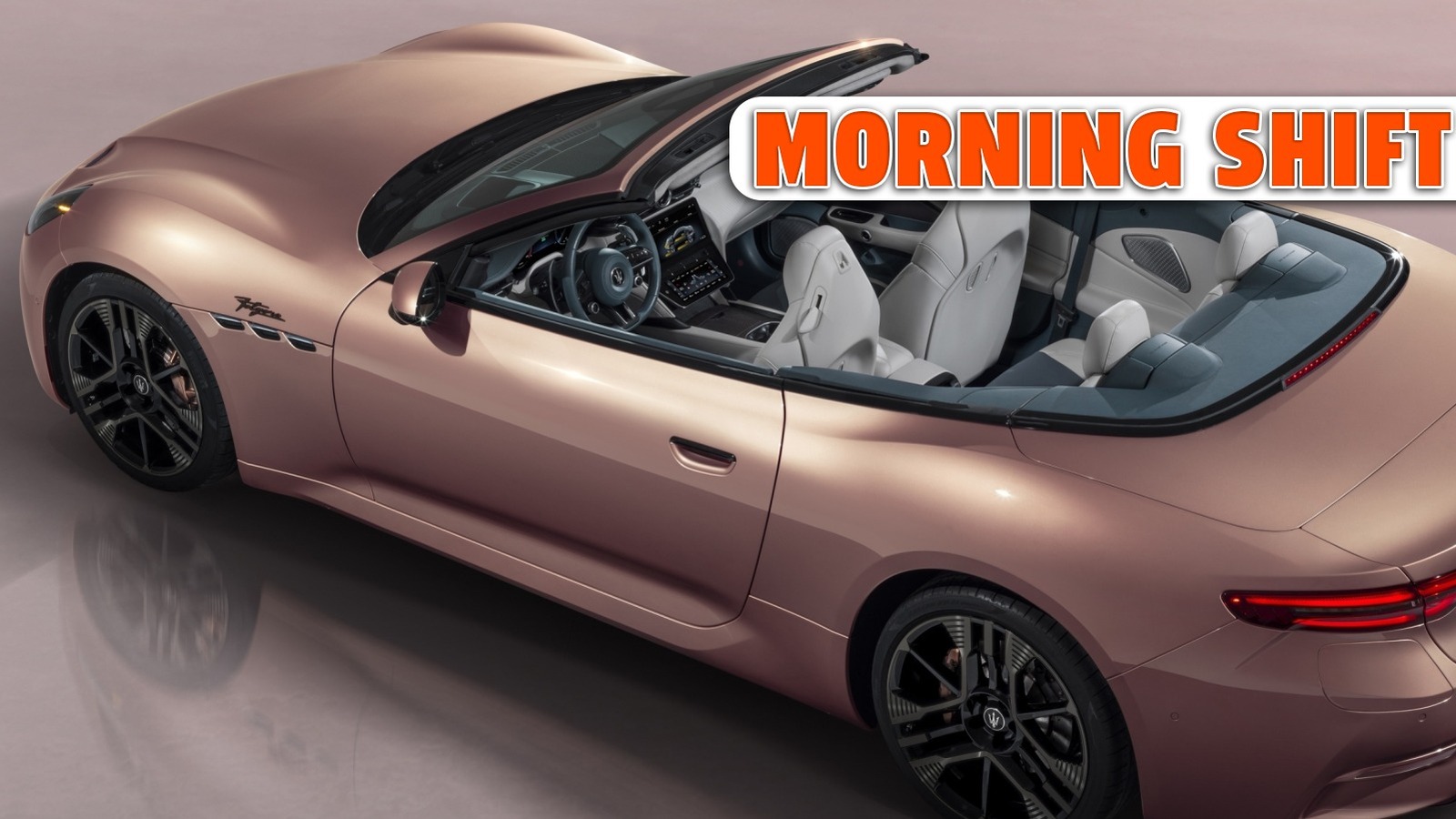
Why Did Maserati Change Its Mind About Going All-Electric?
For years, Maserati talked a big game about electrification. The Italian luxury automaker had ambitious plans to phase out gasoline engines and go fully electric. But now, Maserati’s taking a sharp turn away from that vision. What happened?
It comes down to a mix of market realities and brand identity. While electric vehicles (EVs) are gaining traction globally, luxury car buyers—especially those loyal to Maserati—aren’t all on board. According to a 2023 J.D. Power study, only about 11% of luxury car owners in the U.S. say they’re “very likely” to buy an EV as their next vehicle. That’s a lot of hesitation for a brand built on tradition, sound, and driving feel.
Maserati’s CEO, Davide Grasso, recently acknowledged that the company’s customers still crave the visceral experience of a roaring V6 or V8. The brand’s signature exhaust note and dynamic handling are tough to replicate with battery power alone. So, instead of forcing a full transition, Maserati is now focusing on offering both electrified and traditional powertrains—letting buyers choose what fits their lifestyle.
What Does This Mean for Maserati’s Future Lineup?
If you’re a fan of Maserati’s classic performance, this is good news. The company isn’t abandoning electrification altogether. Instead, it’s pivoting to a more flexible approach. Expect to see plug-in hybrids and select EV models alongside the iconic gas-powered GranTurismo and Quattroporte.
This strategy isn’t unique to Maserati. Other luxury brands like Porsche and BMW are also hedging their bets, offering a mix of EVs, hybrids, and combustion engines. The goal? Meet tightening emissions regulations without alienating loyal customers.
Maserati’s move may also be a response to the slower-than-expected adoption of EVs in key markets. In Europe, EV sales growth has cooled, and in the U.S., infrastructure and range anxiety remain hurdles. By keeping its options open, Maserati can adapt as the market evolves—without putting all its eggs in one electric basket.
Why Is Subaru Ending Legacy Production in the U.S.?
Meanwhile, across the Pacific, Subaru is making a different kind of shift. The company just announced it will end production of the Legacy sedan in the United States after the 2025 model year. If you’ve ever driven a Legacy, you know it’s been a staple of Subaru’s lineup for over three decades. So, why the change?
The answer is simple: Americans just aren’t buying sedans like they used to. According to data from Cox Automotive, sedans now make up less than 20% of new car sales in the U.S., down from nearly 50% two decades ago. Crossovers and SUVs have taken over, and Subaru’s Outback and Forester are leading the charge.
By discontinuing the Legacy, Subaru can free up resources to focus on its bestsellers and invest more in electrification and advanced safety tech. The company’s already rolling out new hybrid and electric models, aiming to have at least 40% of its global sales electrified by 2030.
How Will These Changes Affect Car Buyers?
If you’re in the market for a luxury car or a practical sedan, these shifts might feel bittersweet. Maserati fans get to keep their beloved engines a little longer, but the brand’s electric dreams are on hold. Subaru loyalists lose a classic sedan, but gain more innovation in the SUV and crossover space.
For buyers, the key takeaway is choice. The auto industry is in a state of flux, with manufacturers responding to both consumer demand and regulatory pressure. Whether you want the instant torque of an EV or the familiar rumble of a gas engine, you’ll have options—at least for the next few years.
Are These Moves a Sign of a Bigger Trend?
Absolutely. Automakers everywhere are rethinking their strategies as the EV revolution hits some speed bumps. Ford recently slowed its EV rollout, and Toyota continues to bet big on hybrids. Even Tesla, the poster child for electric cars, is feeling the heat from increased competition and changing consumer sentiment.
What’s clear is that the path to an all-electric future isn’t as straightforward as some predicted. Infrastructure, battery costs, and consumer habits are all evolving—sometimes in unexpected ways. Brands that stay nimble, like Maserati and Subaru, are better positioned to weather these changes.
The big takeaway? The future of driving isn’t about perfection—it’s about smarter adjustments. Start with one change this week, and you’ll likely spot the difference by month’s end.