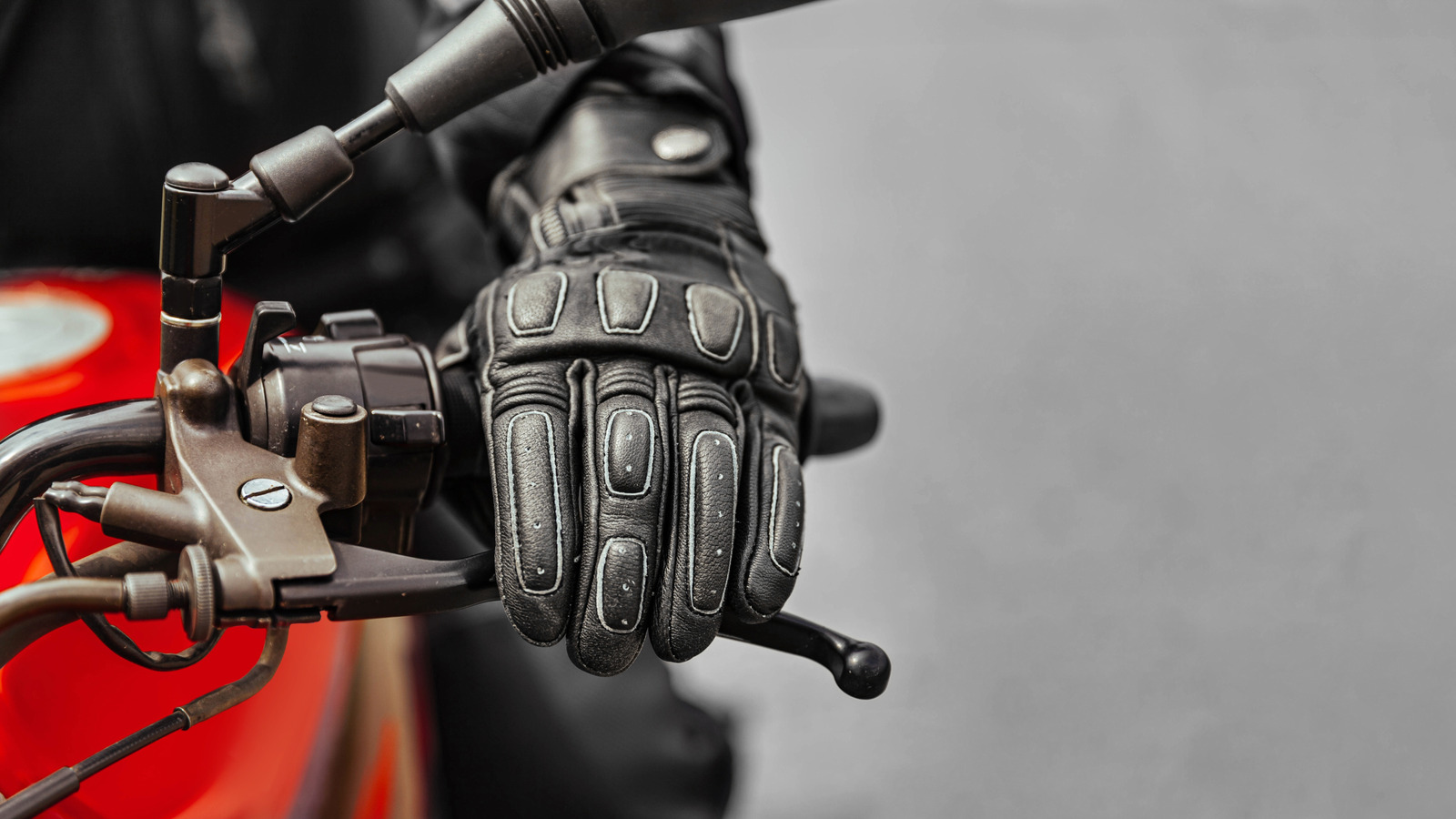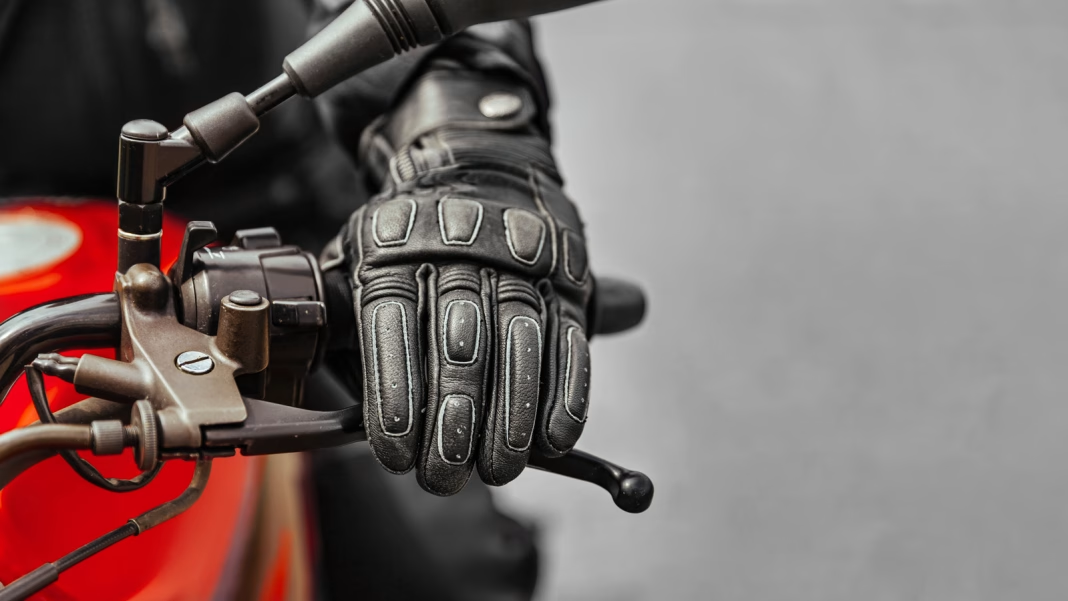
Finding the right number of fingers to use on your motorcycle’s clutch and brake levers can feel a bit like a personal quest. The truth is, there’s no one-size-fits-all answer. It’s all about adjusting to your unique riding style and the specific situation you find yourself in. Let’s dive into this topic and explore how to find that sweet spot for your fingers.
How Many Fingers Should You Use?
When it comes to squeezing those levers, you might be surprised to learn that any number of fingers can work. Some riders prefer using two fingers, while others might go for three or even four. The key is to find what feels comfortable and gives you the best control.
Using fewer fingers can provide a quicker response, especially in situations where you need to brake hard or shift gears rapidly. On the other hand, using more fingers can offer better leverage and control, particularly in slower, more technical riding scenarios. It’s all about balancing comfort and control.
Why Does It Matter?
The way you grip your levers can significantly impact your riding experience. A proper grip can enhance your control over the motorcycle, making it easier to execute smooth maneuvers. For instance, if you’re navigating a tight corner, having a firm yet relaxed grip can help you maintain stability. Conversely, if you’re in a high-stress situation, like an emergency stop, a quick, decisive squeeze with fewer fingers might be the way to go.
It’s also worth noting that your hand size and strength play a role in this equation. If you have smaller hands, using two fingers might feel more natural, while larger hands might allow for a more comfortable grip with three or four fingers.
Adjusting to Different Situations
Riding isn’t static; it’s dynamic and ever-changing. You might find yourself in different scenarios that call for different techniques. For example, when cruising on the highway, a lighter touch with two fingers can suffice. But when you’re in stop-and-go traffic or navigating through a crowded area, you might want to switch to a firmer grip with more fingers for better control.
Additionally, consider the type of motorcycle you’re riding. Sportbikes often have more sensitive brakes, which can benefit from a lighter touch. In contrast, cruisers might have a more forgiving brake system, allowing for a more relaxed grip.
Real-World Examples
Let’s talk about some real-world scenarios. Imagine you’re riding in the rain. The roads are slick, and you need to be extra cautious. In this case, using more fingers on the brake lever can help you modulate your stopping power more effectively, reducing the risk of skidding.
On the flip side, if you’re on a twisty mountain road, you might want to use fewer fingers to allow for quicker adjustments as you navigate the curves. The ability to adapt your grip based on the situation not only enhances your safety but also makes your ride more enjoyable.
Finding Your Comfort Zone
Ultimately, the best way to determine how many fingers to use is through practice. Spend some time experimenting in a safe environment. Try using different numbers of fingers in various situations, and pay attention to how it feels. You might even find that your preferences change over time as you gain more experience and confidence on the bike.
Remember, there’s no right or wrong answer here. It’s about what works best for you. The more you ride, the more intuitive this will become.
The big takeaway? Finding the right number of fingers isn’t about perfection—it’s about smarter adjustments. Start with one change this week, and you’ll likely spot the difference by month’s end. Happy riding!