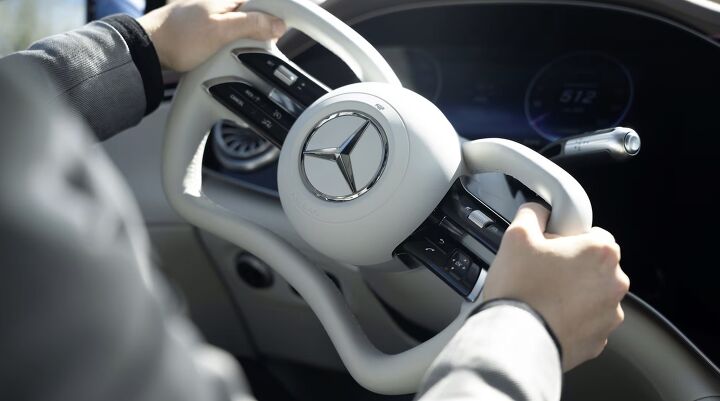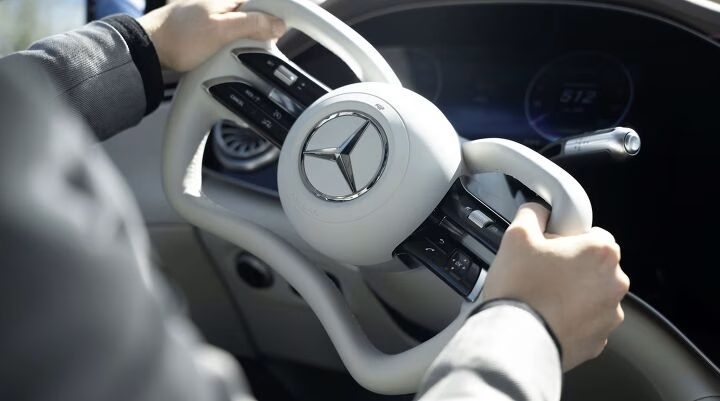
Steering yokes are making a splash in the automotive world, and Mercedes-Benz is set to join the trend in 2026. This shift will not only introduce yokes but also steer-by-wire technology, which means goodbye to traditional physical connections between the driver and the vehicle. It’s a bold move that raises questions about practicality, user experience, and the future of driving.
What’s the Deal with Steering Yokes?
You might be wondering why steering yokes are suddenly all the rage. Traditionally found in airplanes and race cars, yokes offer a different driving experience compared to the classic round steering wheel. They allow for quicker steering ratios, which can be thrilling in a high-performance setting. However, for everyday driving, this can lead to some challenges. Most passenger vehicles require multiple rotations of the wheel to achieve full lock, making the yoke less practical for daily use.
Rumors suggest that the first model to feature this new steering setup will be the EQS, Mercedes-Benz’s flagship electric sedan. Given that many vehicles adopting yokes are electric, this makes sense. The S-Class may follow suit, potentially offering the yoke as an option in future models. This speculation is bolstered by Mercedes’ emphasis on rear-wheel steering, which is crucial for the yoke system.
Why Steer-by-Wire Matters
The introduction of steer-by-wire technology is a game changer. It allows for adaptive steering ratios, meaning the responsiveness of the steering can change based on driving conditions. This flexibility is essential for implementing yokes in everyday vehicles. While traditional steering systems can provide tactile feedback, steer-by-wire systems often rely on artificial sensations, which can feel less connected to the road.
There’s a trade-off here. On one hand, steer-by-wire can enhance comfort, especially on bumpy roads, as there’s no physical link to transmit vibrations. On the other hand, it adds complexity to the vehicle, which could lead to more maintenance issues down the line.
Mercedes-Benz is keen to highlight the potential of this technology. Chief Technology Officer Markus Schäfer has noted that steer-by-wire will pave the way for automated driving. He envisions a future where the steering yoke enhances the driving experience, even allowing for entertainment options while the vehicle is in autonomous mode. Imagine streaming your favorite show with a clear view of the screen, thanks to the flat design of the yoke. While this sounds intriguing, it also raises safety concerns, especially considering past incidents involving distracted driving in autonomous vehicles.
Who Will Love the Yoke?
The main appeal of the yoke and steer-by-wire technology lies in the luxurious experience it promises. For those who prioritize comfort and cutting-edge tech over the raw feel of driving, this setup could be a dream come true. The added legroom and reduced vibrations may cater to a clientele that values a smooth, serene ride.
However, for driving enthusiasts who crave a more tactile connection to their vehicle, the yoke might not hit the mark. The lack of feedback could leave some feeling disconnected from the driving experience. It’s a delicate balance between innovation and tradition, and Mercedes seems to be leaning towards the former.
As we look ahead to 2026, the automotive landscape is poised for significant changes. The introduction of steering yokes and steer-by-wire technology by Mercedes-Benz could redefine how we think about driving. Whether this shift will be embraced by the masses or remain a niche offering is yet to be seen.
The big takeaway? Embracing new technology isn’t about perfection—it’s about smarter adjustments. If you’re curious about these innovations, keep an eye on how they evolve and consider how they might change your driving experience in the near future.