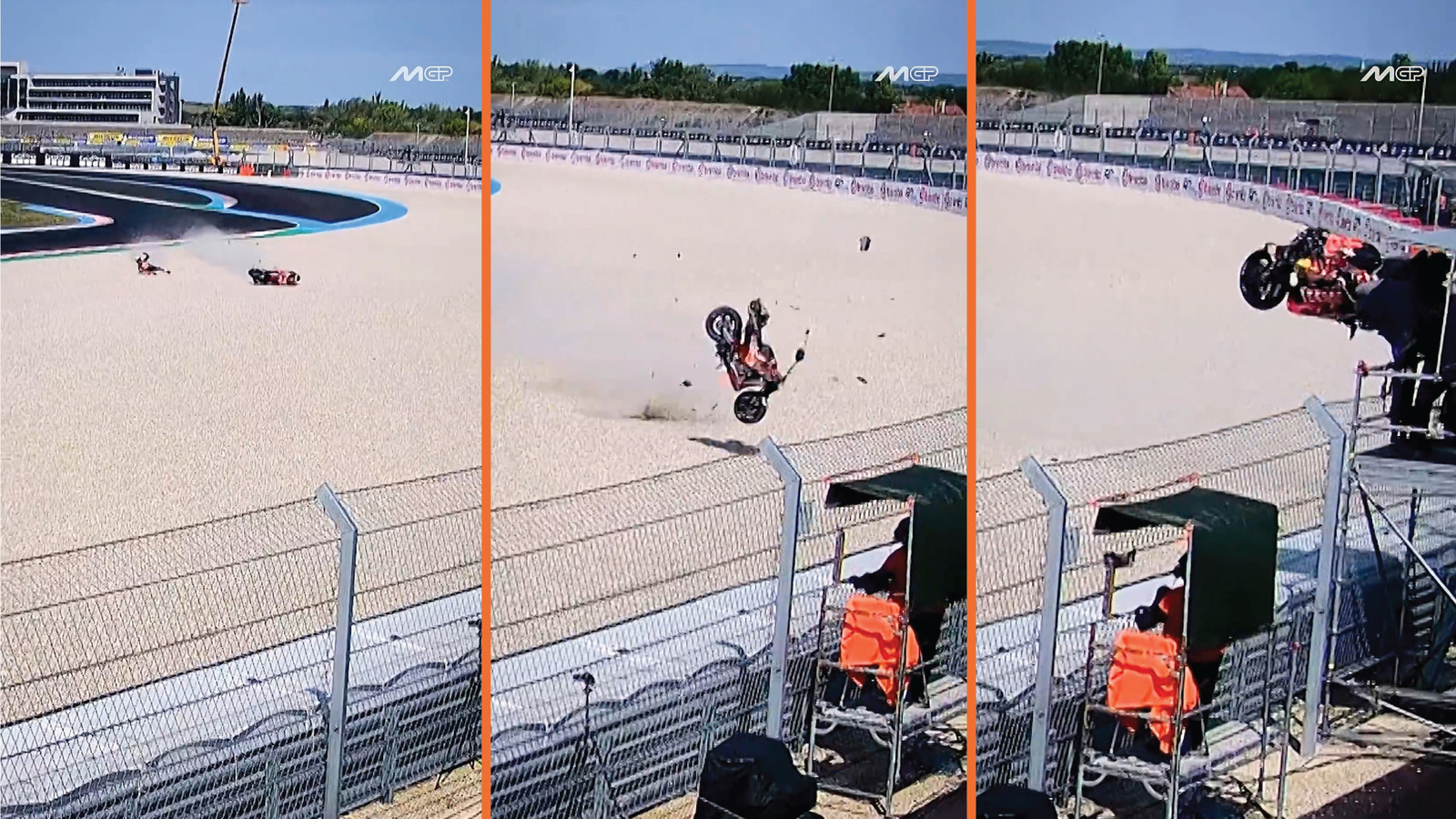
Why Did the MotoGP Crewmember Return After the Crash?
If you caught the latest MotoGP race, you might have noticed something that raised a few eyebrows. After a dramatic crash sent a bike careening into a TV camera, the crew member manning that camera was sent right back to the same spot the very next day. It’s the kind of decision that makes fans and insiders alike wonder: was this just business as usual, or a risky move that could have been avoided?
Let’s break down why the organizers made this call. According to statements from the event officials, the incident was deemed a freak accident—a one-in-a-million scenario unlikely to repeat. Their logic? MotoGP races are meticulously planned, with safety protocols reviewed and rehearsed before every event. The spot in question had passed all previous safety checks, and the crash was considered an outlier rather than a sign of a systemic problem.
But here’s where things get interesting. Motorsport, by its very nature, is unpredictable. While organizers rely on data and experience to minimize risk, there’s always an element of chance. In this case, the decision to send the crewmember back was based on statistical probability rather than emotional response. It’s a calculated risk, but one that isn’t without controversy.
How Do MotoGP Organizers Weigh Safety Against Coverage?
MotoGP is as much about the spectacle as it is about the sport. Fans expect high-definition, up-close footage from every angle, and that means putting cameras—and the people who operate them—close to the action. Organizers have to strike a delicate balance: keep the broadcast world-class, but never at the expense of human safety.
When an incident like this occurs, it triggers an immediate review. Safety officers analyze footage, consult with marshals, and sometimes even bring in outside experts. If the consensus is that the risk hasn’t fundamentally changed, operations typically resume as normal. This isn’t unique to MotoGP; it’s standard practice across high-level motorsport. Still, the optics of sending someone back to a spot where a crash just happened can be jarring.
What Do the Experts Say About Trackside Safety?
Trackside safety has evolved dramatically over the past decade. According to a 2023 report from the Fédération Internationale de Motocyclisme (FIM), incidents involving non-competitors—like camera operators—have dropped by nearly 40% since 2015, thanks to improved barriers, better communication systems, and more rigorous training.
Yet, as motorsport safety consultant Dr. Elena Rossi points out, “No protocol can account for every possible scenario. The key is adaptability—learning from each incident and updating procedures accordingly.” In this case, the organizers’ decision suggests they viewed the crash as a statistical anomaly rather than a warning sign.
Are There Real-World Examples of Similar Decisions?
Absolutely. In Formula 1, for instance, marshals and camera crews are often stationed in high-risk zones. After the infamous 2013 Canadian Grand Prix incident, where a marshal was fatally struck by a recovery vehicle, the FIA overhauled its safety guidelines. However, marshals still work trackside, albeit with stricter protocols and better training.
The takeaway? Motorsport organizations tend to adjust procedures only when patterns of risk emerge. One-off incidents, while tragic or alarming, rarely prompt immediate overhauls unless there’s clear evidence of a recurring danger.
Could Technology Reduce These Risks Further?
There’s growing interest in using remote-controlled cameras and automated systems to minimize human exposure. Some MotoGP circuits have already started experimenting with robotic camera arms and drones, which can capture breathtaking footage without putting anyone in harm’s way. However, these technologies come with their own challenges—cost, reliability, and the need for skilled operators behind the scenes.
Until these solutions become standard, human crews will remain a fixture at the track. The best approach is constant vigilance and a willingness to adapt as new risks are identified.
What Should Fans Take Away From This Incident?
Incidents like the MotoGP crash serve as a reminder of the fine line between thrilling coverage and safety. Organizers must weigh tradition, technology, and the unpredictable nature of racing every time they make a call. For now, the decision to send the crewmember back reflects a belief in existing safety measures and the rarity of such accidents.
The big takeaway? Motorsport safety isn’t about perfection—it’s about smarter adjustments. Start with one change this week, and you’ll likely spot the difference by month’s end.