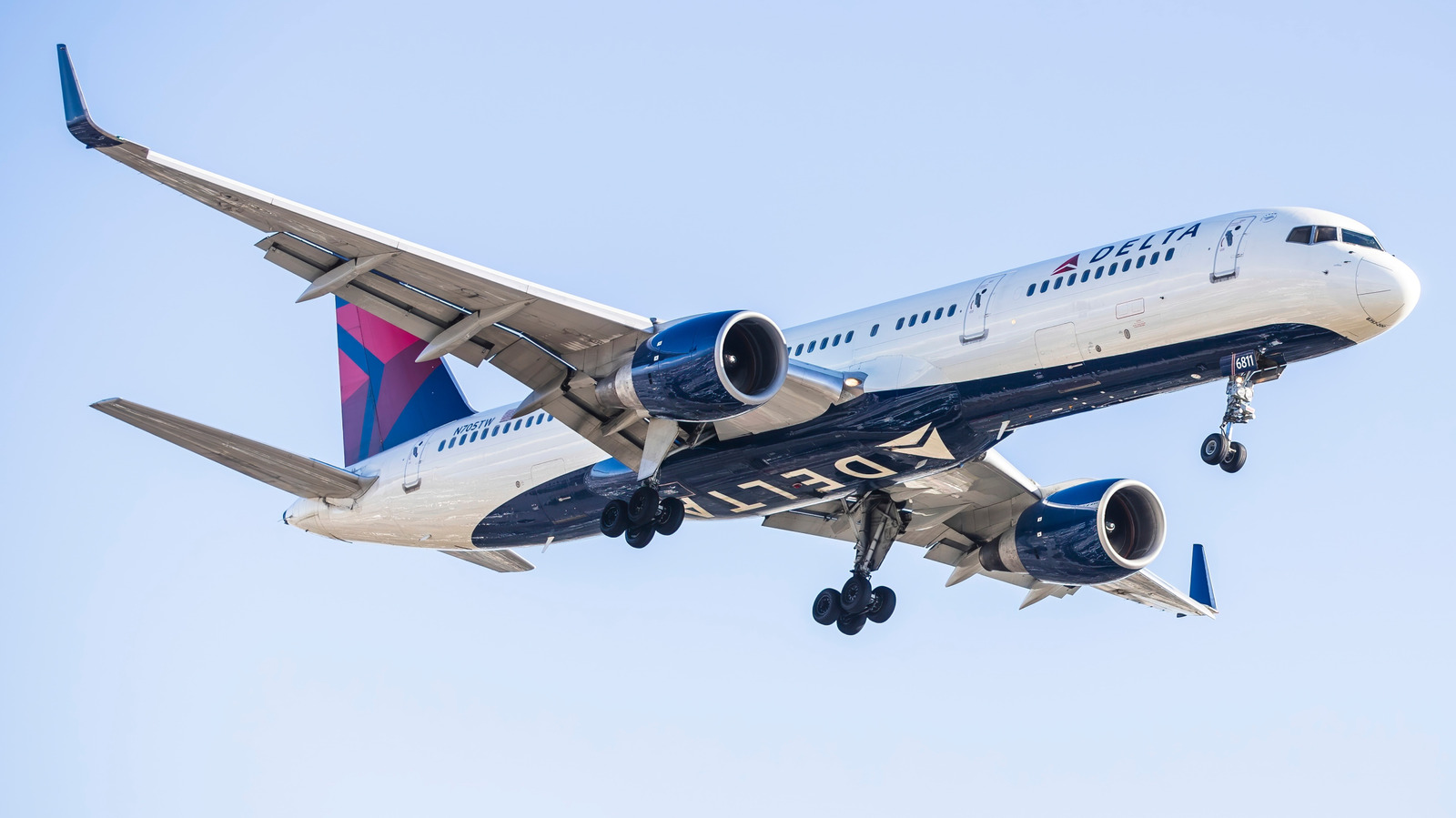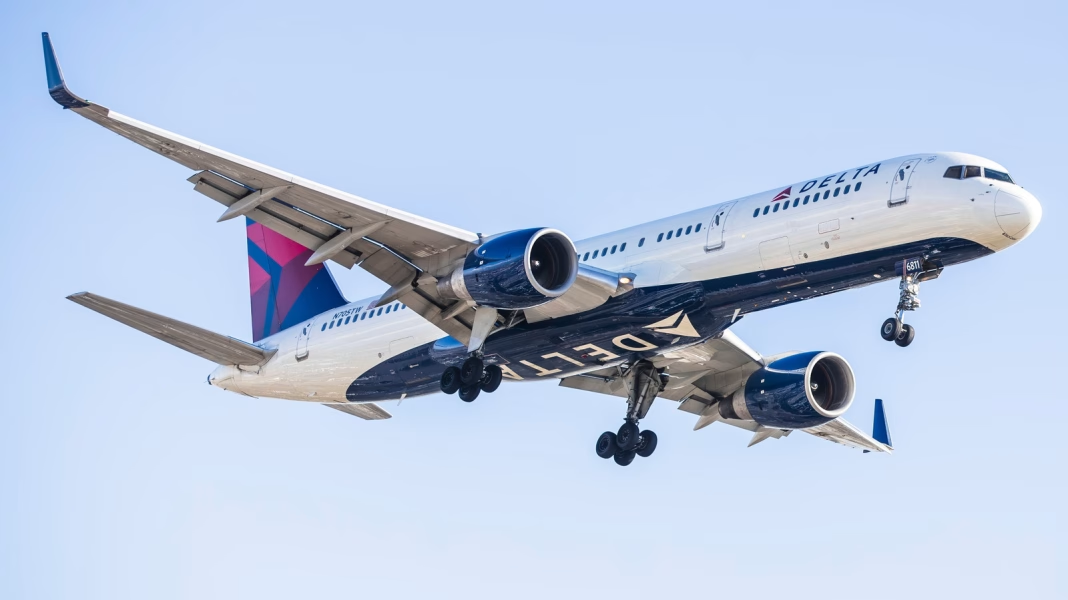
As the Boeing 757 approaches the twilight of its operational life, the question of what aircraft will take its place looms large in the aviation industry. At first glance, the answer might seem straightforward. However, a closer look reveals a complex web of factors that complicate the decision-making process.
What Makes the Boeing 757 So Special?
The Boeing 757 has been a workhorse for airlines since its introduction in the early 1980s. Known for its versatility, it can efficiently handle short-haul and medium-haul routes, making it a favorite among carriers worldwide. Its ability to operate from shorter runways and its impressive range have allowed airlines to serve various markets effectively. But as the 757 ages, airlines are left pondering what aircraft can fill its shoes.
What Are the Leading Contenders for Replacement?
While many might point to the Boeing 737 MAX or the Airbus A321neo as the obvious successors, the reality is a bit more nuanced. The 737 MAX, with its modern technology and efficiency, is indeed a strong candidate. However, it’s not without its challenges, particularly given the scrutiny it has faced following the two tragic accidents. Airlines are weighing the benefits of newer models against the reputational risks involved.
On the other hand, the Airbus A321neo has gained significant traction in the market. Its larger capacity and fuel efficiency make it an attractive option for airlines looking to maximize profitability. Yet, the A321neo also comes with its own set of limitations, particularly when it comes to range and runway performance compared to the 757.
How Do Market Dynamics Influence the Decision?
Airlines are not just looking at the aircraft themselves; they’re also considering market dynamics. The demand for air travel is shifting, with more emphasis on sustainability and efficiency. This has led to increased interest in newer, more environmentally friendly aircraft. Manufacturers are responding with innovations that could change the landscape entirely. For instance, the development of electric and hybrid aircraft is gaining momentum, though these options are still a few years away from commercial viability.
Additionally, the ongoing global supply chain issues have made it challenging for airlines to secure new aircraft. With delays in production and delivery, some airlines may opt to extend the life of their existing 757s rather than risk waiting for new models that may not arrive on time.
What About the Role of Regional Jets?
Another layer to this discussion is the role of regional jets. As airlines look to optimize their fleets, some may consider smaller aircraft for specific routes. This could lead to a shift in how airlines approach their operations, potentially reducing the need for a direct replacement for the 757 in certain markets.
Are Airlines Ready to Embrace Change?
Ultimately, the decision on what will replace the Boeing 757 is not just about the aircraft itself. It’s about how airlines envision their future operations and what they believe their customers will demand. The transition to a new aircraft type involves significant investment and risk, and airlines must carefully consider their strategies moving forward.
The big takeaway? Finding a replacement for the Boeing 757 isn’t about perfection—it’s about making smarter adjustments. With so many variables at play, airlines will need to be strategic in their choices. Start by keeping an eye on emerging trends and technologies, and you might just spot the next big thing in aviation before it takes flight.