
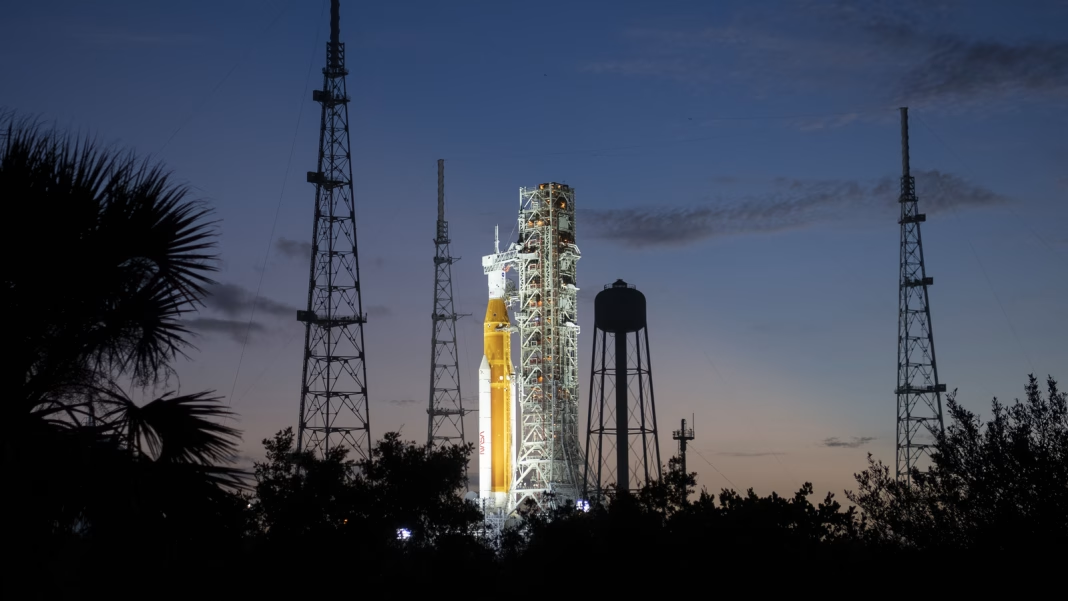
Crewing a lunar exploration program is no small feat. It’s a complex, costly endeavor that demands not just financial resources but also unwavering leadership and vision. This is where the challenges begin, especially when considering the political landscape that can significantly influence such monumental projects.
The Reality of Lunar Exploration Costs
When we talk about sending humans back to the Moon, we’re diving into a world of astronomical budgets—pun intended. Estimates suggest that a robust lunar program could run into the tens of billions of dollars. This isn’t just about rockets and spacecraft; it encompasses research, technology development, training astronauts, and ensuring safety protocols are in place. The scale of investment required means that any serious commitment to lunar exploration must be backed by a stable and supportive political environment.
Leadership Matters
Strong leadership is crucial for the success of any long-term space initiative. It’s not just about having a vision; it’s about the ability to navigate the political, financial, and technological hurdles that inevitably arise. In recent years, the political climate has shown how quickly priorities can shift, especially with changes in administration. For instance, during the Trump administration, significant cuts to NASA’s budget raised concerns about the viability of ambitious lunar missions. A $6 billion funding cut threatened to derail efforts to return humans to the Moon, highlighting how fragile these programs can be when they rely on the whims of political leadership.
The Importance of Consistency
What does this mean for the future of lunar exploration? Consistency in funding and support is essential. Programs like Artemis, which aims to land “the first woman and the next man” on the Moon, require a long-term commitment that transcends political cycles. Without this, we risk losing momentum, as seen in past decades when funding fluctuations led to delays and cancellations of promising projects.
A Collaborative Approach
One potential solution lies in fostering a collaborative approach that involves multiple stakeholders—government agencies, private companies, and international partners. By diversifying the sources of funding and support, we can create a more resilient framework for lunar exploration. For example, partnerships with private space companies have already begun to reshape the landscape, allowing for innovative solutions and shared costs. This collaborative spirit could be the key to sustaining a long-term lunar presence.
Looking Ahead
As we gaze toward the stars, it’s clear that the journey back to the Moon will require more than just rockets and astronauts. It demands a commitment to leadership, funding, and collaboration that can withstand the test of time. The big takeaway? Lunar exploration isn’t about perfection—it’s about smarter adjustments. Start with one change this week, and you’ll likely spot the difference by month’s end. Whether it’s advocating for space funding or supporting collaborative initiatives, every small step contributes to the larger goal of reaching for the Moon and beyond.
