What Is Oil Stop Leak Supposed to Do, Anyway?
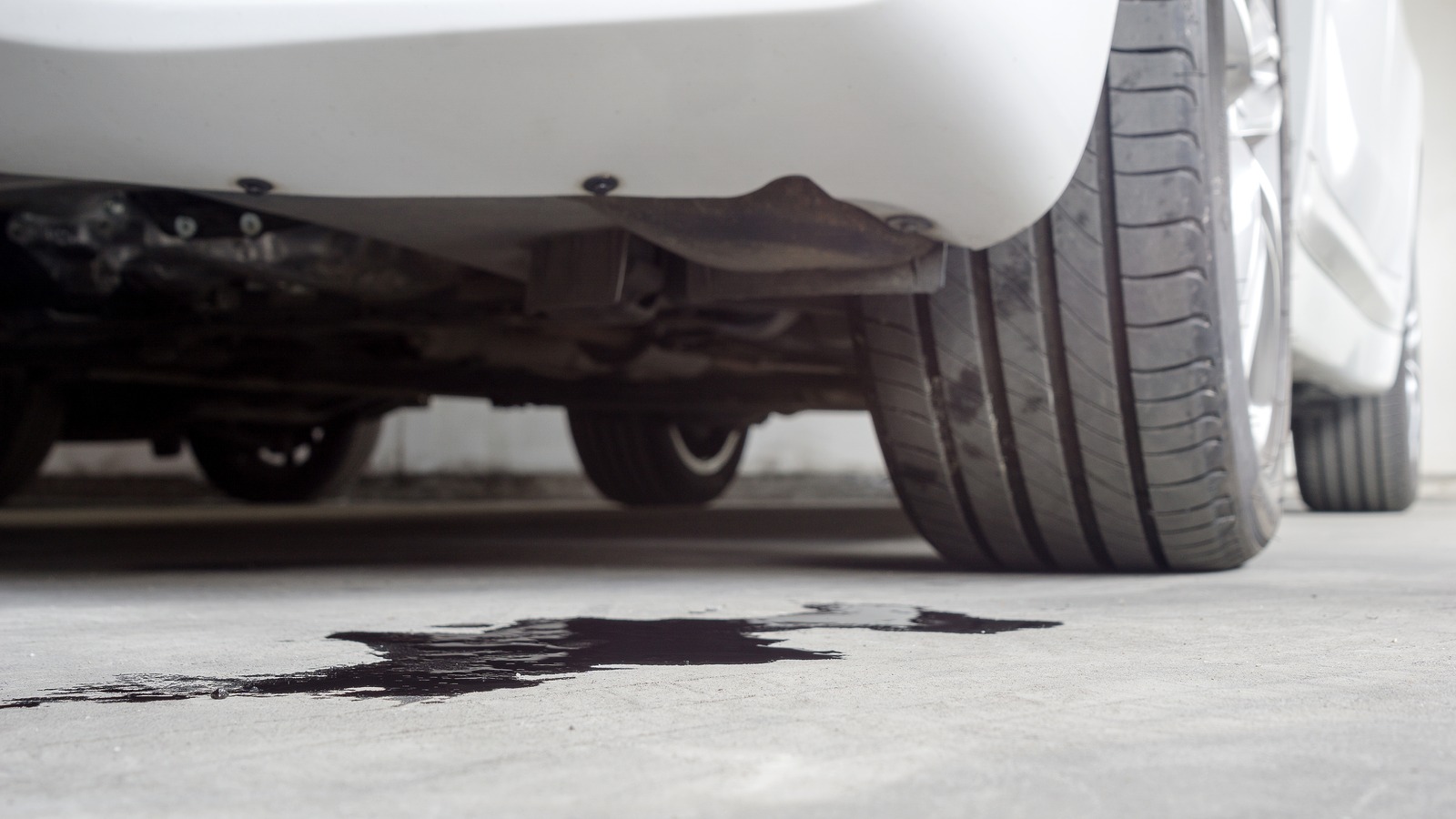
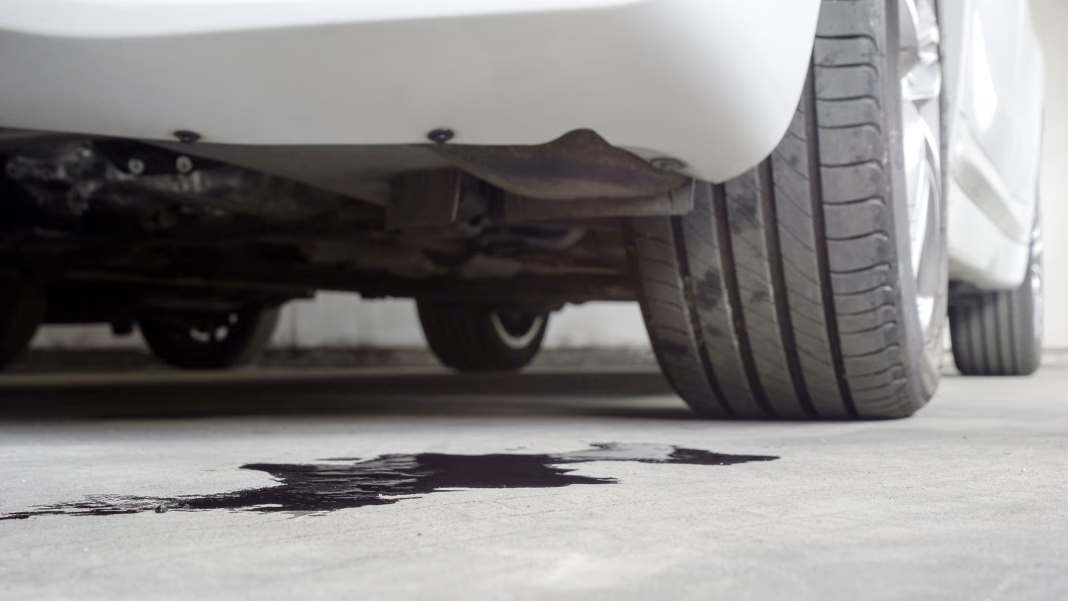
If you’ve ever noticed a telltale dark spot under your car, you know the sinking feeling that comes with an oil leak. Oil stop leak products promise a quick fix—just pour it in, and let the magic happen. But what are these additives actually designed to do?
At their core, oil stop leak formulas are meant to rejuvenate the rubber seals and gaskets inside your engine. Over time, these seals can dry out, shrink, or crack, leading to those pesky leaks. The chemicals in stop leak products work by swelling the rubber, making it more pliable and helping it seal up small gaps. Think of it as a moisturizer for your engine’s aging skin. For minor leaks, especially from older vehicles, this can sometimes buy you months—or even years—of leak-free driving.
Does Oil Stop Leak Really Work, or Is It Just a Band-Aid?
Here’s the honest truth: oil stop leak isn’t a miracle cure. It can be surprisingly effective for slow, minor leaks—especially those coming from valve cover gaskets, oil pan gaskets, or crankshaft seals. According to a 2022 survey by Consumer Reports, about 60% of drivers who tried oil stop leak for small leaks reported at least temporary improvement.
But there’s a catch. If your leak is more like a steady drip or a full-on puddle, these products probably won’t cut it. They’re not designed to fix major mechanical failures or gaping holes in your engine. In those cases, you’ll need a proper repair—no shortcut will do.
Are There Risks to Using Oil Stop Leak Products?
It’s tempting to reach for a bottle of stop leak, but it’s not always risk-free. The main concern is compatibility. Some older engines, especially those with very worn seals, might respond well. But in newer engines with advanced materials or tight tolerances, swelling the seals could cause more harm than good.
There’s also the risk of clogging. Some formulas contain particulates or thickeners that can, in rare cases, block oil passages or filters. This is especially true if you overuse the product or use it in an engine that’s already sludgy. The result? Restricted oil flow, which can lead to bigger headaches down the road.
When Is It Actually Worth Trying Oil Stop Leak?
If you’re dealing with a small, slow leak and your car is older or not worth a big repair bill, oil stop leak can be a reasonable first step. It’s also handy if you need to buy some time before a proper fix—say, to get through a tough month or make it to your next scheduled service.
However, if your car is still under warranty, or you’re driving a newer model with a complex engine, it’s better to consult a mechanic first. Sometimes, what looks like a minor leak is actually a symptom of a bigger issue. And if you’re seeing oil in your coolant or vice versa, stop leak won’t help—those are signs of a blown head gasket or worse.
What Do the Experts Say About Long-Term Use?
Most professional mechanics see oil stop leak as a temporary solution, not a permanent fix. The American Automobile Association (AAA) recommends using these products sparingly and only as a stopgap. Their research shows that while short-term use is generally safe for older vehicles, repeated applications can accelerate seal wear or lead to sludge buildup.
Anecdotally, some drivers have squeezed an extra year or two out of an old car with a well-timed dose of stop leak. But others have ended up with clogged oil passages or failed emissions tests due to residue. It’s a roll of the dice—one that’s best played with eyes wide open.
How Can You Tell If Oil Stop Leak Is Right for Your Situation?
Start by pinpointing the source of your leak. If it’s a minor seep from a gasket or seal, and you’re not ready for a full repair, a reputable oil stop leak product might be worth a shot. Look for brands with good reviews and clear ingredient lists—avoid anything that seems too thick or full of mystery additives.
Monitor your oil level and check for changes in engine performance after using the product. If you notice any new noises, warning lights, or a drop in oil pressure, stop using the additive and consult a professional. And remember, if the leak persists or gets worse, it’s time for a proper fix.
The big takeaway? Oil stop leak isn’t about perfection—it’s about smarter adjustments. Start with one change this week, and you’ll likely spot the difference by month’s end. Sometimes, a small tweak is all it takes to keep your ride rolling a little longer.