Are Oldsmobile, Buick, and Pontiac 455 Engines Really the Same?
If you’ve ever peeked under the hood of a classic American muscle car, you might have spotted the legendary 455 cubic-inch V8. Oldsmobile, Buick, and Pontiac all offered a 455 at one point, and on paper, those engines look almost identical. But here’s the catch: despite the matching displacement, these powerplants are far from interchangeable. Let’s break down what really sets them apart—and why that matters to enthusiasts and restorers alike.
What Makes Each 455 Unique Under the Hood?
It’s easy to assume that a 455 is a 455, no matter the badge. After all, General Motors owned all three brands, and the cubic inch numbers match. But dig a little deeper, and you’ll find that each division engineered its own version from the ground up. Oldsmobile’s 455, for example, is a completely different animal from Buick’s or Pontiac’s.
Oldsmobile’s 455 was introduced in 1968, designed for torque and smoothness. It features a different bore and stroke than its Buick and Pontiac cousins, and the block itself is unique—right down to the bolt patterns and oiling system. Buick’s 455, meanwhile, is lighter thanks to thinner casting and a different approach to cooling and lubrication. Pontiac’s 455, introduced in 1970, shares almost nothing with the others except its displacement. Even the cylinder heads, intake manifolds, and exhaust ports are distinct.
Why Did GM Build Three Different 455s Instead of Sharing One?
This is one of those quirks of automotive history. Back in the 1960s and ‘70s, GM’s divisions operated almost like separate companies. Each had its own engineering teams, priorities, and even its own sense of pride. The result? Rather than sharing engines across the board, each brand developed its own V8s to suit its personality and customer base.
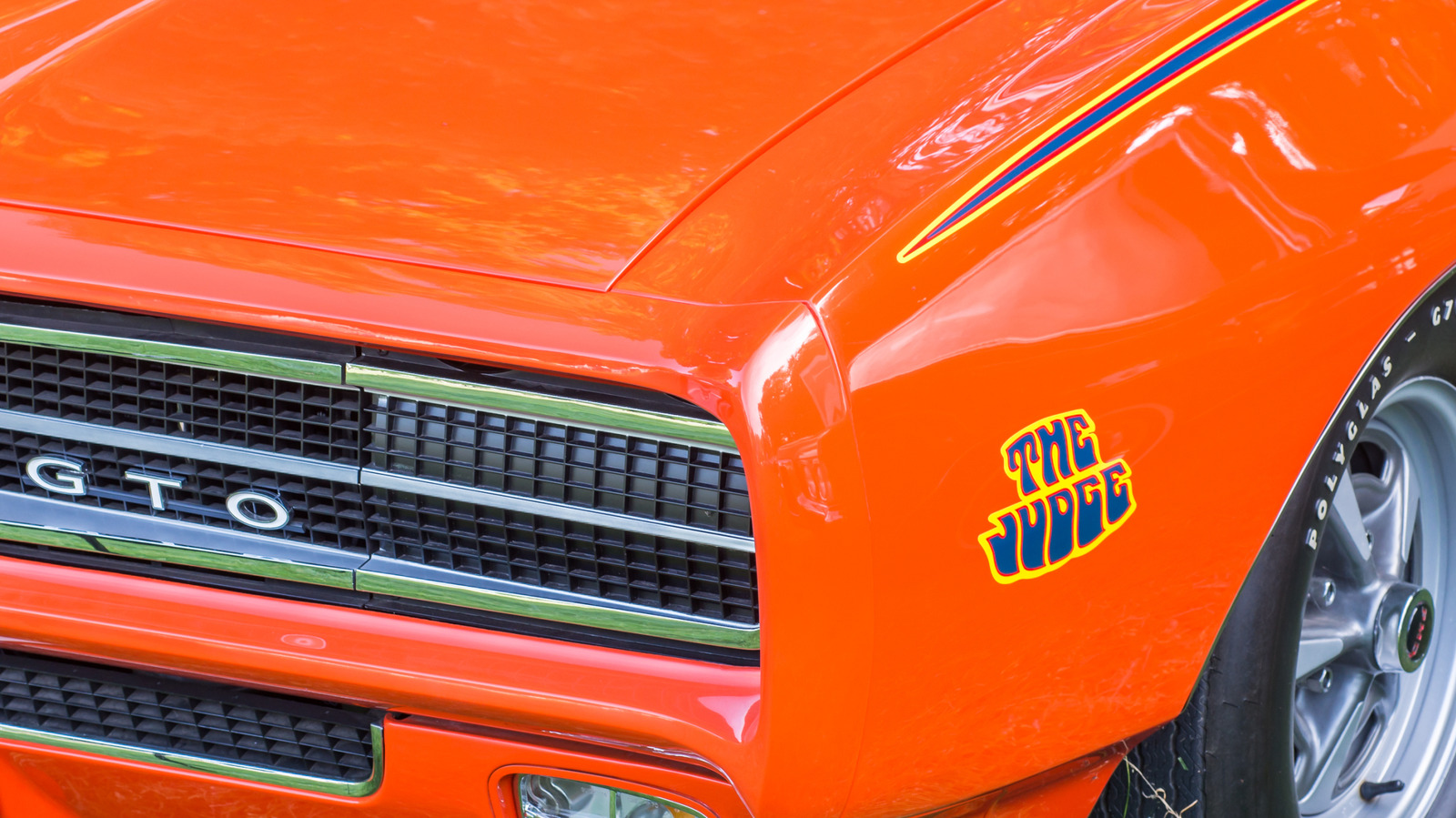
Oldsmobile aimed for a balance of power and refinement, Buick prioritized smoothness and low-end grunt, and Pontiac chased high-revving performance. That’s why you’ll find Oldsmobile 455s in the 442 and Toronado, Buick’s version in the GS and Riviera, and Pontiac’s in the GTO and Trans Am. The engines may share a badge, but the driving experience is completely different.
Can You Swap Parts Between Olds, Buick, and Pontiac 455s?
Here’s where things get tricky. Despite the shared displacement, most major components aren’t interchangeable. The blocks, heads, and even the accessories like water pumps and distributors are unique to each brand. Try to bolt a Buick intake onto a Pontiac block, and you’ll quickly discover the mounting holes don’t line up.
That said, some aftermarket companies do offer adapters and custom parts to help bridge the gaps, but it’s rarely a bolt-on affair. If you’re restoring or modifying one of these classics, it pays to know exactly which 455 you’re dealing with before ordering parts.
How Do Performance and Reliability Stack Up?
Each 455 has its own strengths and quirks. Oldsmobile’s version is known for its robust bottom end and ability to handle big torque, making it a favorite for drag racers and street cruisers. Buick’s 455 is lighter and delivers a tidal wave of torque at low RPMs, but its thinner block can be more prone to overheating if pushed too hard. Pontiac’s 455, meanwhile, is famous for its rev-happy nature and strong aftermarket support, though it’s a bit heavier than the Buick.
According to data from Hemmings and Hagerty, properly maintained examples of all three can easily surpass 100,000 miles, but each requires specific care—especially when it comes to cooling and oiling. Expert builders recommend using high-quality gaskets and paying close attention to the unique quirks of each engine to keep them running strong.
What Should Collectors and Restorers Watch Out For?
If you’re hunting for a classic with a 455, authenticity matters. Swapping engines between brands can hurt resale value and complicate restoration. Matching numbers—where the engine’s serial number matches the car’s VIN—are especially prized by collectors. Always verify the engine code and casting numbers before making a purchase.
It’s also worth noting that while aftermarket support is strong for all three, some parts (especially for Buick and Oldsmobile) can be harder to find or more expensive than their Pontiac counterparts. Planning ahead and connecting with owner clubs or forums can save you a lot of headaches.
The Big Takeaway
The 455 badge might look the same on Oldsmobile, Buick, and Pontiac, but the engines themselves are as different as the cars they powered. If you’re diving into the world of classic muscle, knowing these differences isn’t about perfection—it’s about smarter adjustments. Start with one change this week, and you’ll likely spot the difference by month’s end.