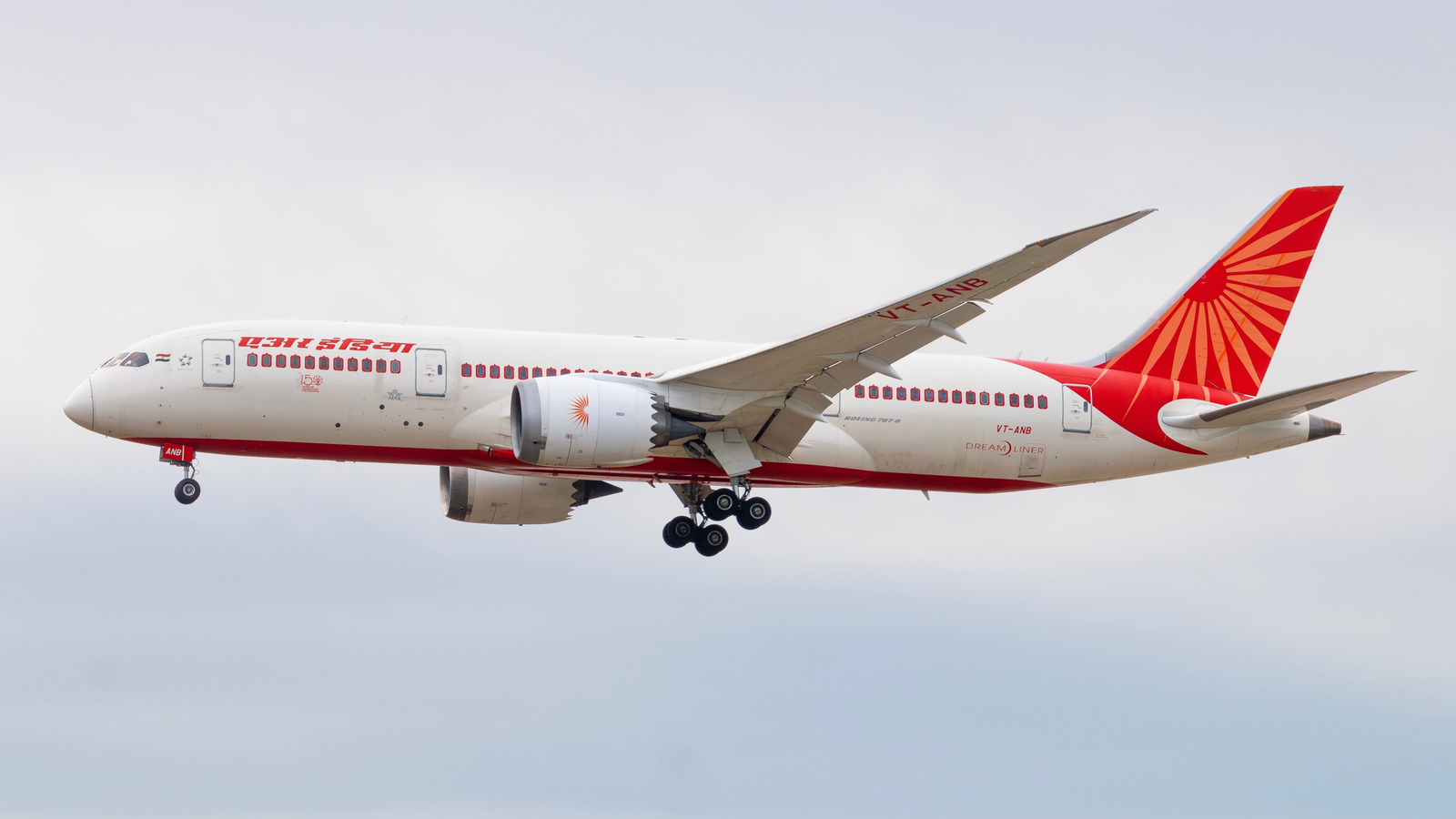
Why Are Investigators Zeroing In on Engine Fuel Control Switches After the Air India Crash?
When a major aviation disaster occurs, the world wants answers. In the case of the recent Air India crash, investigators have been piecing together the sequence of events, and all signs are pointing toward a critical detail in the cockpit: the engine fuel control switches. But why are these switches suddenly in the spotlight, and what does that mean for pilots, airlines, and passengers?
What Role Do Engine Fuel Control Switches Play in Flight Safety?
Engine fuel control switches might sound like a bit of technical jargon, but their function is straightforward and absolutely vital. These switches allow pilots to manage the flow of fuel to an aircraft’s engines—essentially acting as the on/off valves for the powerplants that keep a plane in the sky. If a switch is set incorrectly, it can mean the difference between a routine landing and a catastrophic failure.
In modern commercial jets, these controls are designed to be intuitive and fail-safe, but they still require precise, timely action from the flight crew. According to a 2023 report from the International Air Transport Association (IATA), human error remains a leading factor in 75% of aviation incidents, often involving cockpit controls like these. Even a momentary lapse or miscommunication can have outsized consequences.
How Could a Simple Switch Lead to Disaster?
It’s easy to underestimate how a single cockpit action can spiral into a disaster. In the Air India crash under investigation, preliminary findings suggest that the engine fuel control switches may not have been set correctly during a critical phase of flight. This could have led to one or both engines failing to respond as expected—potentially depriving the aircraft of thrust at a crucial moment.
Aviation safety expert Captain Rajiv Suri explains, “In high-pressure situations, even experienced pilots can make mistakes if procedures aren’t followed to the letter. The fuel control switches are a classic example—if they’re not in the right position, the engines won’t deliver power when you need it most.”
This isn’t just theoretical. Past incidents, such as the 2008 British Airways Flight 38 crash at Heathrow, have shown how fuel system mismanagement—whether due to mechanical fault or human error—can have devastating results.
What Training and Safeguards Are in Place to Prevent Pilot Error?
Given the stakes, airlines invest heavily in training pilots to handle every conceivable scenario. Simulator sessions often include engine-out procedures, fuel management drills, and emergency checklists. The idea is to make correct switch handling second nature, even under extreme stress.
Yet, even with rigorous training, the reality of a live emergency can overwhelm. Fatigue, distraction, and the sheer complexity of modern cockpits all play a role. The Federal Aviation Administration (FAA) and other regulators have responded by pushing for more robust Crew Resource Management (CRM) programs, which emphasize teamwork, communication, and cross-checking among pilots.
Still, as the Air India case suggests, there’s no substitute for vigilance. A 2022 study in the Journal of Aviation Safety found that 60% of cockpit errors involved missed or misapplied checklist items—often something as simple as a switch in the wrong position.
Could Technology Help Reduce These Kinds of Errors?
There’s growing interest in using technology to backstop human performance. Some newer aircraft feature automated warnings or even lockouts that prevent certain switches from being set incorrectly during flight. Others use tactile or visual cues to help pilots quickly verify switch positions.
But technology isn’t a silver bullet. Over-reliance on automation can breed complacency, and not every airline has the latest equipment. The key, say experts, is a balanced approach: smarter cockpit design, better training, and a culture that encourages pilots to speak up if something feels off.
What Can Passengers Take Away from This Investigation?
It’s natural to feel uneasy when pilot error is cited as a possible cause of a crash. But it’s worth remembering that aviation remains one of the safest forms of travel—thanks in large part to the relentless focus on learning from every incident. Each investigation, like the one into the Air India crash, leads to new safeguards and better training for crews worldwide.
If you’re a frequent flyer, the real takeaway is this: the system is designed to catch and correct errors before they become tragedies. Pilots are highly trained professionals, and every incident sharpens the industry’s focus on safety.
The big takeaway? Preventing cockpit errors isn’t about perfection—it’s about smarter adjustments. Start with one change this week, and you’ll likely spot the difference by month’s end.