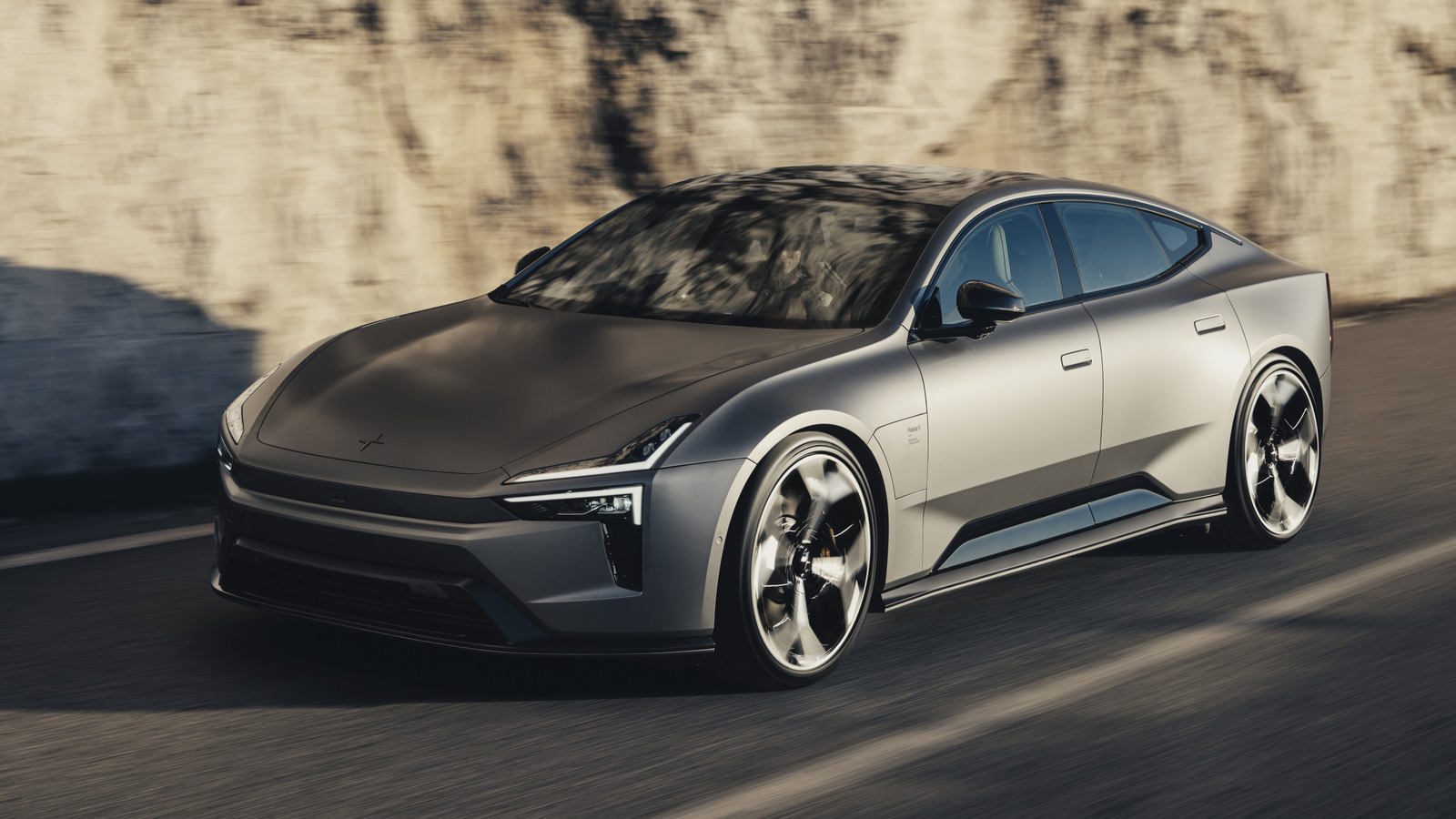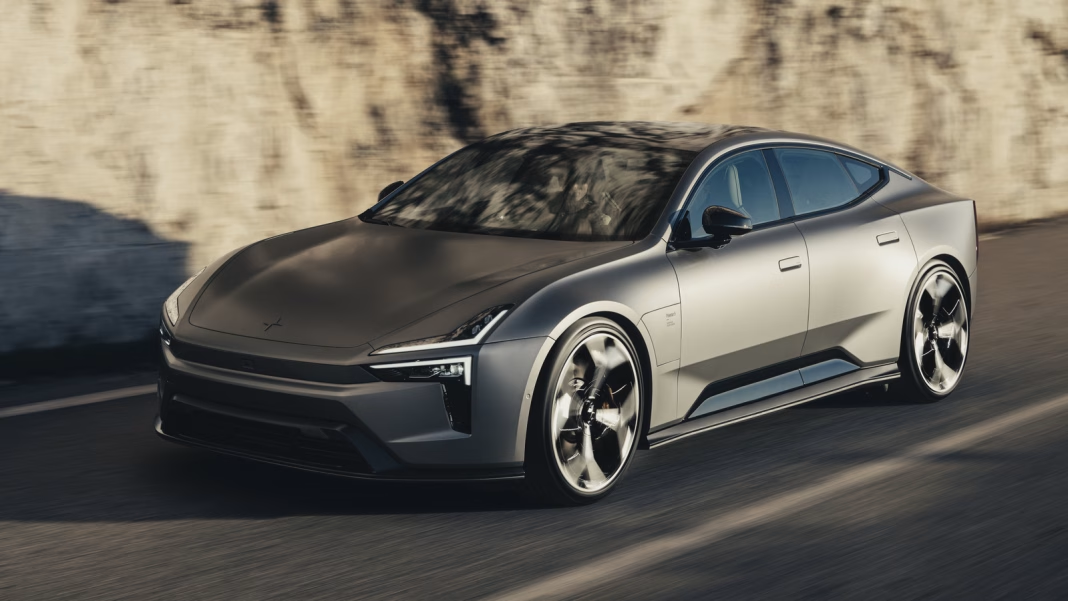
What Makes the Polestar 5’s Platform So Special?
When you hear about the Polestar 5, it’s easy to get caught up in the numbers—884 horsepower, supercar-level stiffness, and a design that turns heads. But the real magic happens underneath, thanks to the Polestar Performance Architecture (PPA). Developed by Polestar’s UK R&D team, this lightweight platform is the unsung hero behind the car’s agility and strength.
So, what sets the PPA apart? For starters, it’s engineered with a mix of advanced materials that keep the chassis light without sacrificing rigidity. Think aerospace-grade aluminum and high-strength steel, meticulously bonded and welded together. This isn’t just about bragging rights; a lighter, stiffer platform means sharper handling, better efficiency, and improved safety. According to a 2023 report from Automotive World, platforms like the PPA can reduce vehicle weight by up to 15 percent compared to traditional steel frames, directly impacting both range and driving dynamics.
How Does This Architecture Improve Everyday Driving?
You might wonder if all this talk about stiffness and lightweight construction actually matters on your daily commute. The answer is a resounding yes. A stiffer platform means the suspension can do its job more effectively, soaking up bumps and keeping the car planted through corners. The result? A ride that feels both comfortable and confidence-inspiring, whether you’re navigating city streets or stretching the car’s legs on a winding backroad.
Polestar’s engineers didn’t just chase numbers—they focused on real-world usability. The PPA’s design allows for a lower center of gravity, which translates to less body roll and more precise steering. Drivers report a sense of connection to the road that’s rare in electric vehicles, which are often criticized for feeling numb or disconnected due to their weight. The Polestar 5 bucks that trend, delivering a driving experience that’s both engaging and approachable.
Why Did Polestar Ditch the Rear Window?
One of the more unconventional choices on the Polestar 5 is the absence of a rear window. At first glance, this might seem like a design quirk, but there’s method to the madness. By eliminating the rear glass, Polestar’s designers gained more freedom to sculpt the car’s aerodynamic profile, reducing drag and wind noise. It also allowed for a stronger, uninterrupted structure at the rear, further enhancing the platform’s rigidity.
Of course, visibility is still crucial. To compensate, the Polestar 5 uses a high-definition rear camera system that feeds a live video stream to a digital mirror inside the cabin. This isn’t just a gimmick—drivers get a wider, clearer view than a traditional mirror could ever provide, especially in low light or bad weather. It’s a bold move, but one that aligns with the brand’s forward-thinking ethos.
How Does the Polestar 5 Compare to Other Electric Performance Cars?
Stack the Polestar 5 against rivals like the Porsche Taycan or Tesla Model S Plaid, and you’ll notice some key differences. While those cars rely on established platforms adapted for electric power, the Polestar 5’s PPA was designed from the ground up with electrification in mind. That means fewer compromises—battery packs are integrated seamlessly, weight is distributed more evenly, and the chassis is optimized for both performance and efficiency.
Industry analysts from JATO Dynamics point out that bespoke EV platforms like the PPA are the future of high-performance electric cars. They allow for faster charging, longer range, and more interior space—three things that matter to real drivers. The Polestar 5’s approach isn’t just about chasing lap times; it’s about creating a car that feels special every time you get behind the wheel.
What’s the Real-World Impact for Owners?
Beyond the specs and engineering, what does all this mean for you? In short, the Polestar 5 promises a blend of daily usability and genuine excitement. The lightweight architecture means you’ll notice quicker acceleration, sharper handling, and a more refined ride. The innovative design choices—like the camera-based rear view—offer practical benefits that make life easier, not just flashier.
Early test drives from automotive journalists highlight the car’s composure over rough roads and its uncanny ability to make even mundane trips feel a bit more special. Owners can expect lower running costs, too, thanks to improved efficiency and the reduced wear and tear that comes from a lighter, stronger chassis.
The big takeaway? Polestar’s approach with the 5 isn’t about perfection—it’s about smarter adjustments. Start with one change this week, and you’ll likely spot the difference by month’s end.