Why Does Porsche Want Its Own CEO Separate from Volkswagen?
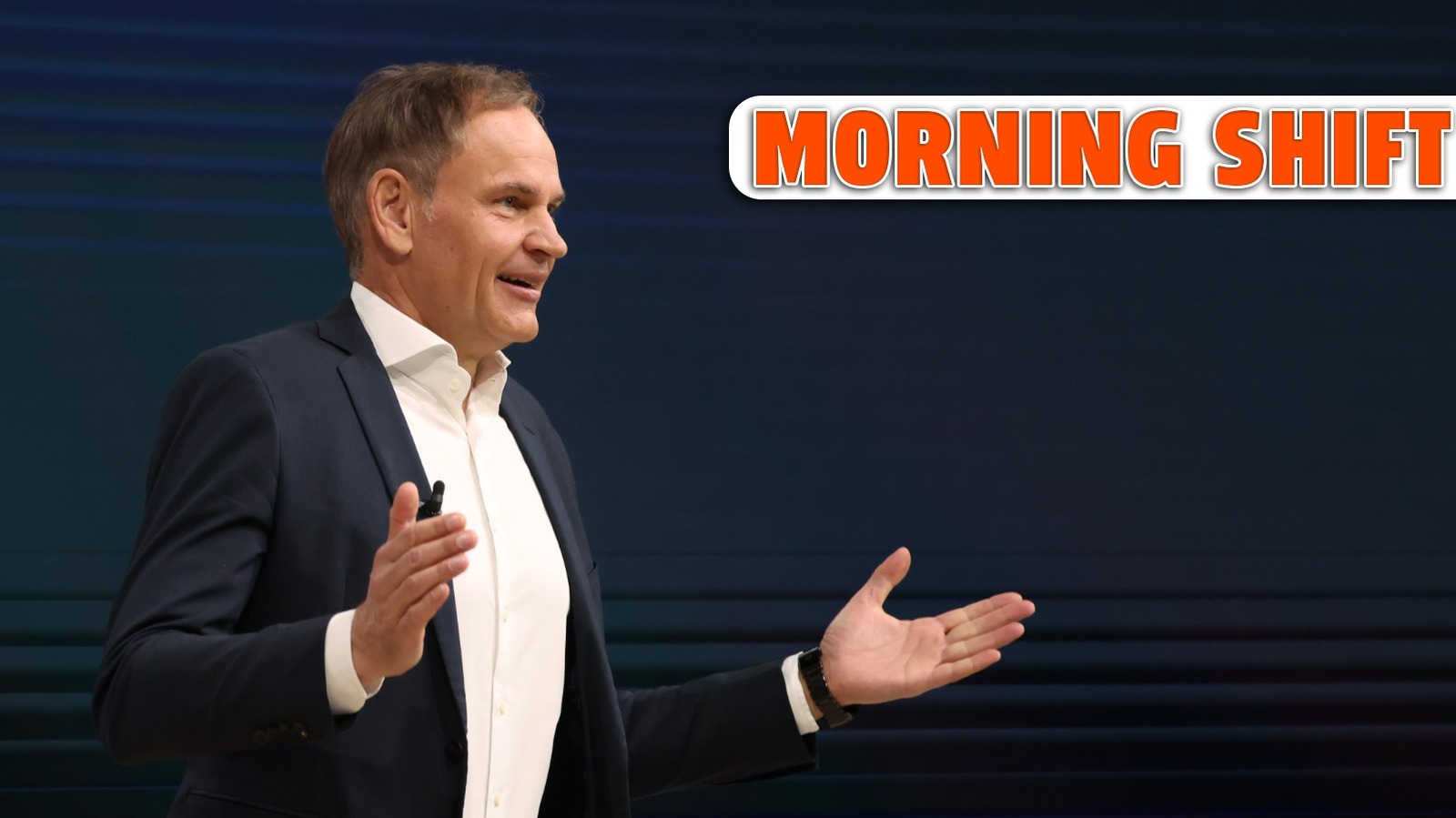
Porsche and Volkswagen have been intertwined for decades, both in business and in leadership. For years, the two automotive giants have shared a CEO, a move that made sense when their operations were closely aligned. But times are changing. Porsche is now pushing to break away and appoint its own dedicated chief executive. Why the sudden urge for independence?
The answer lies in Porsche’s evolving ambitions. As the luxury performance brand leans harder into electric vehicles and digital innovation, it’s finding that its priorities don’t always match those of Volkswagen, which manages a sprawling portfolio of brands and mass-market models. Having a CEO focused solely on Porsche’s unique challenges—think high-performance EVs, luxury branding, and global expansion—could mean faster decision-making and a sharper competitive edge.
Industry analysts point out that this move isn’t just about ego or branding. It’s about agility. In a market where Tesla and other disruptors are rewriting the rules, Porsche wants to move at its own speed. According to a 2023 McKinsey report, automakers that streamline leadership and focus on brand-specific strategies are 30% more likely to outperform rivals in new tech adoption and customer loyalty. For Porsche, the stakes are high: the brand’s reputation for precision and performance depends on it staying ahead of the curve.
What’s Making Green Car Production So Challenging for European Automakers?
If you listen to the big names in the European car industry, you’ll hear a common refrain: building green vehicles is a lot harder than it looks. But what’s really behind these complaints?
First, there’s the cost. Transitioning factories from internal combustion engines to electric drivetrains requires billions in new investment. According to the European Automobile Manufacturers’ Association, the industry will need to spend over €100 billion by 2030 just to meet new emissions targets. That’s a staggering figure, especially for brands already navigating thin profit margins.
Then there’s the supply chain headache. Batteries, the heart of any electric vehicle, rely on materials like lithium and cobalt—resources that are both expensive and subject to global shortages. Recent disruptions in mining and shipping have only made things worse, leading to delays and price spikes that ripple through the entire industry.
And let’s not forget the regulatory maze. The European Union has set ambitious deadlines for phasing out gas-powered cars, but the rules are constantly evolving. Automakers are scrambling to keep up, often investing in technologies that might be outdated before they even hit the market. One executive from a leading German automaker recently described the situation as “trying to hit a moving target while running a marathon.”
Are These Challenges Unique to Europe, or Is This a Global Issue?
While European automakers are especially vocal, these challenges aren’t limited to the continent. The push for greener vehicles is a global phenomenon, with the US, China, and Japan all rolling out their own aggressive targets. However, Europe’s strict regulations and shorter timelines make the transition particularly intense for brands like Porsche, BMW, and Mercedes-Benz.
What sets Europe apart is the sheer speed of the shift. The EU’s proposed ban on new combustion engine cars by 2035 is one of the most ambitious in the world. That’s left automakers with little room for error—and even less time to adapt. In contrast, US automakers have more flexibility, thanks to a patchwork of state and federal policies, while Chinese brands benefit from massive government subsidies and a more centralized approach.
How Are Automakers Responding to These Pressures?
Despite the complaints, automakers aren’t just sitting on their hands. Porsche, for example, has already invested heavily in its Taycan electric sports car and is pouring resources into next-generation battery tech. Volkswagen is ramping up its own EV lineup, while BMW and Mercedes are experimenting with hydrogen and hybrid models.
Some brands are even forming partnerships to share the burden. Joint ventures in battery production, charging infrastructure, and software development are becoming the norm. According to a 2024 report from Deloitte, collaborative projects have increased by 40% in the past two years, helping companies spread costs and accelerate innovation.
Still, there’s a sense that the industry is playing catch-up. The rapid pace of change means that even well-funded brands can’t afford to rest on their laurels. As one industry insider put it, “You’re either moving forward or falling behind—there’s no middle ground anymore.”
What’s the Real Impact on Drivers and Car Buyers?
For everyday drivers, all this industry upheaval might sound distant. But it’s already shaping what’s available on showroom floors. Expect to see more electric and hybrid options, yes—but also higher prices, at least in the short term. The cost of new technology, combined with supply chain hiccups, is making vehicles more expensive to produce and, ultimately, to buy.
On the flip side, competition is fierce, and that’s good news for consumers. Brands are racing to offer longer battery ranges, faster charging times, and smarter in-car tech. If you’re in the market for a new ride, you’ll likely have more choices than ever before—just be prepared for some sticker shock.
The Big Takeaway
Porsche’s quest for its own CEO and the grumbling from Europe’s automakers aren’t just corporate drama—they’re signals of an industry in flux. Building green cars isn’t about perfection—it’s about smarter adjustments. Start with one change this week, and you’ll likely spot the difference by month’s end.