What Does It Mean When Your Car’s Radiator Fluid Changes Color?
Pop the hood, take a peek at your radiator, and you might be surprised by what you see. Radiator fluid—also called coolant—should be a bright, almost neon color: usually green, orange, pink, or blue, depending on your car’s make and model. But what if it looks rusty, brown, or even milky? That’s your car’s way of waving a red flag.
Radiator fluid is more than just a pretty color. It’s a crucial part of your engine’s cooling system, keeping things from overheating or freezing up. When the color changes, it’s often a sign that something’s off. Maybe there’s rust, oil contamination, or even a chemical reaction happening inside your cooling system. According to the Car Care Council, coolant should be checked at every oil change, and a color shift is one of the first signs of trouble.
Why Does Radiator Fluid Turn Brown or Rusty?
If your coolant has gone from bright green to a muddy brown, rust is usually the culprit. Over time, the metal parts inside your engine and radiator can corrode, especially if the coolant hasn’t been changed regularly. That rusty color? It’s tiny flakes of metal mixing with your fluid.
This isn’t just a cosmetic issue. Rusty coolant can clog up your radiator, water pump, or heater core, leading to overheating and expensive repairs. According to a 2023 AAA report, cooling system failures are among the top reasons for roadside breakdowns—often because of neglected coolant.
What If the Coolant Looks Milky or Cloudy?
A milky or cloudy appearance in your radiator fluid is a bigger red flag. This usually means oil is leaking into the coolant, often from a blown head gasket or a cracked engine block. It’s not something you want to ignore.
Oil in the coolant can quickly damage your engine, leading to costly repairs. If you spot this, it’s time to call a mechanic—fast. In a survey by RepairPal, head gasket failures are one of the most expensive common car repairs, averaging over $1,500. Catching the problem early can save you a lot of money and headaches.
Can Coolant Color Change Just from Age?
Absolutely. Even if there’s no rust or oil, old coolant can lose its color and effectiveness. Over time, the additives that prevent corrosion and help with heat transfer break down. The result? Your coolant might look faded, clear, or just “off.”
Most manufacturers recommend flushing and replacing coolant every 30,000 to 60,000 miles, but always check your owner’s manual. Skipping this maintenance can shorten your engine’s life and lead to overheating.
Are There Different Types of Coolant, and Do They Matter?
Yes, and using the wrong type can cause color changes or even damage your engine. There are three main types: Inorganic Additive Technology (IAT), Organic Acid Technology (OAT), and Hybrid Organic Acid Technology (HOAT). Each has its own color and chemical makeup.
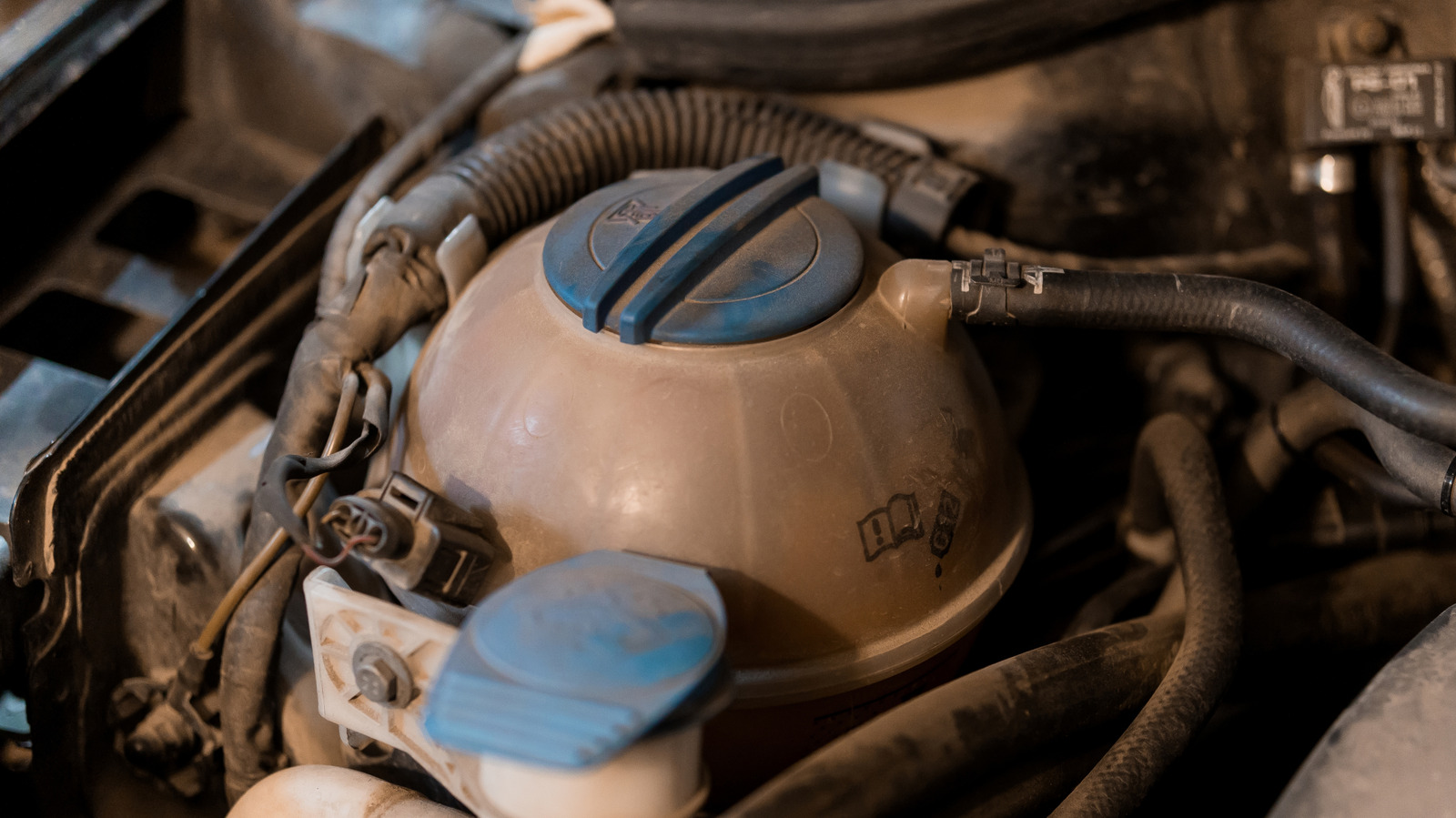
Mixing different types can trigger chemical reactions, turning your coolant into a sludgy mess. If you’re unsure which type your car needs, check the cap on your coolant reservoir or consult your manual. Sticking with the right coolant is a simple way to avoid big problems down the road.
How Can You Tell If It’s Time to Change Your Coolant?
Don’t just rely on color alone. If your coolant looks rusty, milky, or faded, that’s a clear sign. But also watch for overheating, a sweet smell under the hood, or unexplained puddles under your car. These are all hints that your cooling system needs attention.
A quick test: Dip a white paper towel into the coolant. If it comes out stained or gritty, it’s time for a flush. Many auto parts stores offer test strips to check the coolant’s pH and freeze point, giving you a clearer picture of its health.
What’s the Best Way to Fix Discolored Radiator Fluid?
If you spot a problem, don’t just top off the coolant and hope for the best. Start by flushing the system—this means draining all the old fluid, running clean water or a flush solution through the system, and then refilling with the correct coolant. If you see oil or a milky look, get a professional diagnosis before driving any further.
Regular maintenance is your best defense. Schedule coolant checks with your oil changes, and don’t ignore the warning signs. A little attention now can save you from a big repair bill later.
Why Ignoring Coolant Color Can Cost You
It’s easy to overlook coolant color, especially if your car seems to be running fine. But the truth is, a simple color change can be the first clue to bigger issues brewing under the hood. According to a 2022 Consumer Reports survey, nearly 25% of car owners faced unexpected cooling system repairs—most of which could have been prevented with regular checks.
The big takeaway? Watching your radiator fluid isn’t about perfection—it’s about smarter adjustments. Start with one change this week, and you’ll likely spot the difference by month’s end. Your engine—and your wallet—will thank you.