
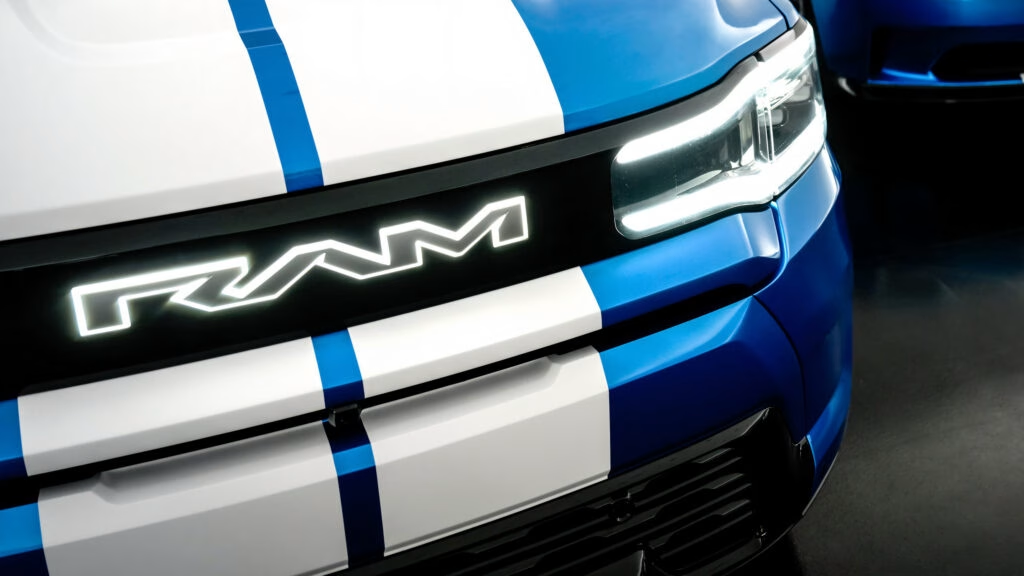
Ram’s ambitious plans for an electric heavy-duty pickup have hit a significant roadblock, leaving suppliers in a lurch and sparking a legal battle that underscores the complexities of the automotive industry’s shift toward electrification.
What Happened to Ram’s Electric Heavy-Duty Pickup?
Just a couple of years ago, Ram unveiled the 1500 REV at the 2023 New York Auto Show, generating excitement for what was touted as a groundbreaking electric truck. Initially set for release in late 2024, the launch has now been postponed to 2026. But that’s not the only setback. Ram was also working on an electric heavy-duty pickup designed to complement the 1500 REV, aimed for the 2027 model year. However, reports indicate that this project was quietly scrapped in 2024, leaving many to wonder about the future of electric heavy-duty vehicles.
This decision raises a critical question: Why would Ram abandon a project that seemed to align with the growing demand for electric vehicles? The answer might lie in the inherent challenges of electric heavy-duty trucks, particularly their towing capabilities, which are traditionally a stronghold for diesel-powered models. As it turns out, Ram’s assessment led them to conclude that there might not be a viable market for an electric heavy-duty pickup at this time.
The Legal Fallout: A $25 Million Lawsuit
The cancellation of the electric heavy-duty pickup has triggered a $25 million lawsuit between Valeo and American Axle & Manufacturing. Valeo, which invested heavily in developing electric motors and inverters for the now-defunct truck, is seeking compensation for its sunk costs. The lawsuit highlights the financial stakes involved in the automotive supply chain, where investments can quickly turn sour if projects are shelved.
American Axle, on the other hand, has countered that there was never an enforceable contract regarding the development of the electric components. This legal tussle not only underscores the financial risks suppliers face but also reflects the broader uncertainty in the automotive industry as manufacturers pivot toward electrification.
What Does This Mean for the Future of Electric Trucks?
The implications of Ram’s decision extend beyond just one model. The heavy-duty truck segment has long been dominated by diesel engines, known for their power and towing capacity. Electric vehicles, while gaining traction in the consumer market, still face skepticism from heavy-duty truck users who rely on performance and reliability.
Ram’s quiet cancellation of the electric heavy-duty pickup could signal a broader trend among manufacturers to tread cautiously in this segment. As electric vehicle technology continues to evolve, it may take time for manufacturers to develop solutions that satisfy the demanding requirements of heavy-duty truck users.
Looking Ahead: The Shift to Electric
Despite the setback, Ram is not stepping away from electric vehicles entirely. The company has committed to launching 25 new models over the next 18 months, indicating a robust strategy for electrification. The focus may shift to lighter models or hybrids that can bridge the gap while the technology for heavy-duty electric trucks matures.
The big takeaway? The journey toward electric vehicles isn’t about perfection—it’s about smarter adjustments. Start with one change this week, and you’ll likely spot the difference by month’s end. As the industry navigates these challenges, it’s clear that the road ahead will be filled with both obstacles and opportunities.