Why Do Some Car Names Deserve Better Than the Cars They’re Stuck With?
Ever notice how some cars roll off the lot with names that sound like they should be attached to legends, only to end up on vehicles that are, well, less than legendary? It’s a little like giving a championship boxer’s nickname to a housecat. The disconnect can be jarring, and it’s something car enthusiasts love to debate. So, why does this happen, and what are the most memorable examples?
What Makes a Car Name Iconic in the First Place?
A great car name does more than just identify a model—it sets expectations. Think about names like Mustang, Charger, or Thunderbird. They conjure images of speed, power, and a little bit of swagger. Automakers know this, and they often resurrect storied names to spark excitement or nostalgia.
But here’s the catch: a name alone can’t save a car that doesn’t deliver. When a manufacturer slaps a legendary badge on a mediocre ride, it’s like promising a gourmet meal and serving up instant noodles. The disappointment is real, and it sticks.
Which Cars Are Famous for Not Living Up to Their Names?
Ask any group of car fans and you’ll get a passionate list. The Ford Mustang II is a classic example. The original Mustang was a game-changer—sleek, fast, and fun. But the Mustang II, launched during the fuel crisis of the 1970s, was underpowered and uninspiring. The name deserved better.
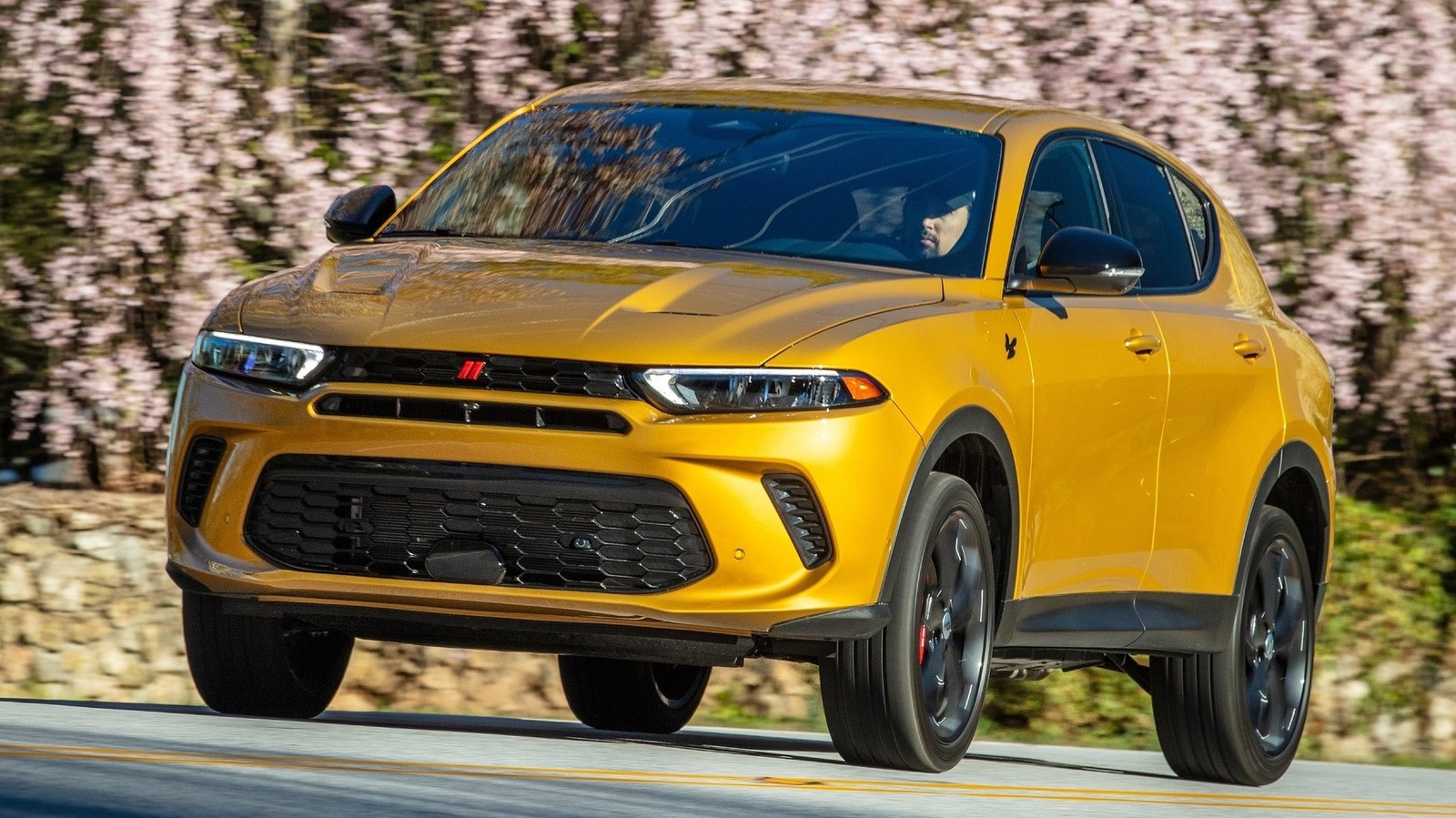
Another one that often comes up is the Dodge Charger of the mid-2000s. The original Charger was a muscle car icon. The later versions, especially the ones with V6 engines and four doors, left purists scratching their heads. Sure, they sold well, but the spirit just wasn’t there.
And let’s not forget the Mitsubishi Eclipse Cross. The Eclipse name once meant a sporty, affordable coupe. The Cross? It’s a compact crossover, and while it’s practical, it’s not exactly setting hearts racing.
Why Do Automakers Recycle Legendary Names for New Models?
It’s all about brand equity. Automakers spend decades building up the reputation of certain names. When sales need a boost, slapping a familiar badge on a new model can generate instant buzz. According to a 2023 report from J.D. Power, vehicles with revived legacy names see an average 18% spike in initial showroom traffic compared to new, unfamiliar names.
But there’s a risk. If the new car doesn’t live up to the hype, it can tarnish the name’s legacy. It’s a gamble—sometimes it pays off (see the revived Ford Bronco), and sometimes it doesn’t.
How Do Car Fans React When a Great Name Gets Wasted?
Let’s just say, people have opinions. Social media lights up with hot takes and memes whenever a beloved name is attached to a lackluster car. Forums fill with debates, and YouTube channels dissect every detail. It’s not just about specs—it’s about emotion. Car names are part of our cultural fabric, and when they’re misused, fans feel personally invested.
Take the case of the Chevy Blazer. The original was a rugged SUV, but the modern Blazer is a sleek crossover. Some love the new direction, but many longtime fans feel the name was wasted on a vehicle that doesn’t match the original’s spirit.
Are There Any Success Stories Where a Name Made a Comeback?
Absolutely. The Ford Bronco is a textbook example. After years off the market, Ford brought back the Bronco name in 2021 with a model that captured the adventurous, off-road vibe of the original. It worked—demand outpaced supply, and the Bronco quickly became one of the hottest SUVs in its segment.
Jeep did something similar with the Gladiator. The name had been dormant since the 1980s, but the new Gladiator pickup struck a chord with both old-school fans and new buyers.
What Can Automakers Learn From These Hits and Misses?
The lesson is clear: a great name is a promise. If you’re going to use it, make sure the car lives up to the hype. That means investing in performance, design, and the little details that make a car feel special. It’s not enough to rely on nostalgia—today’s buyers expect substance behind the badge.
Automakers that get it right build lasting loyalty. Those that don’t? They risk turning a legendary name into a punchline.
The big takeaway? Legendary car names aren’t about perfection—they’re about smarter choices. If you’re in the business of making cars (or just picking your next ride), start with one thoughtful decision this week. You’ll probably notice the difference by the end of the month—whether that’s in the pride you feel behind the wheel or the buzz you hear from fellow fans.