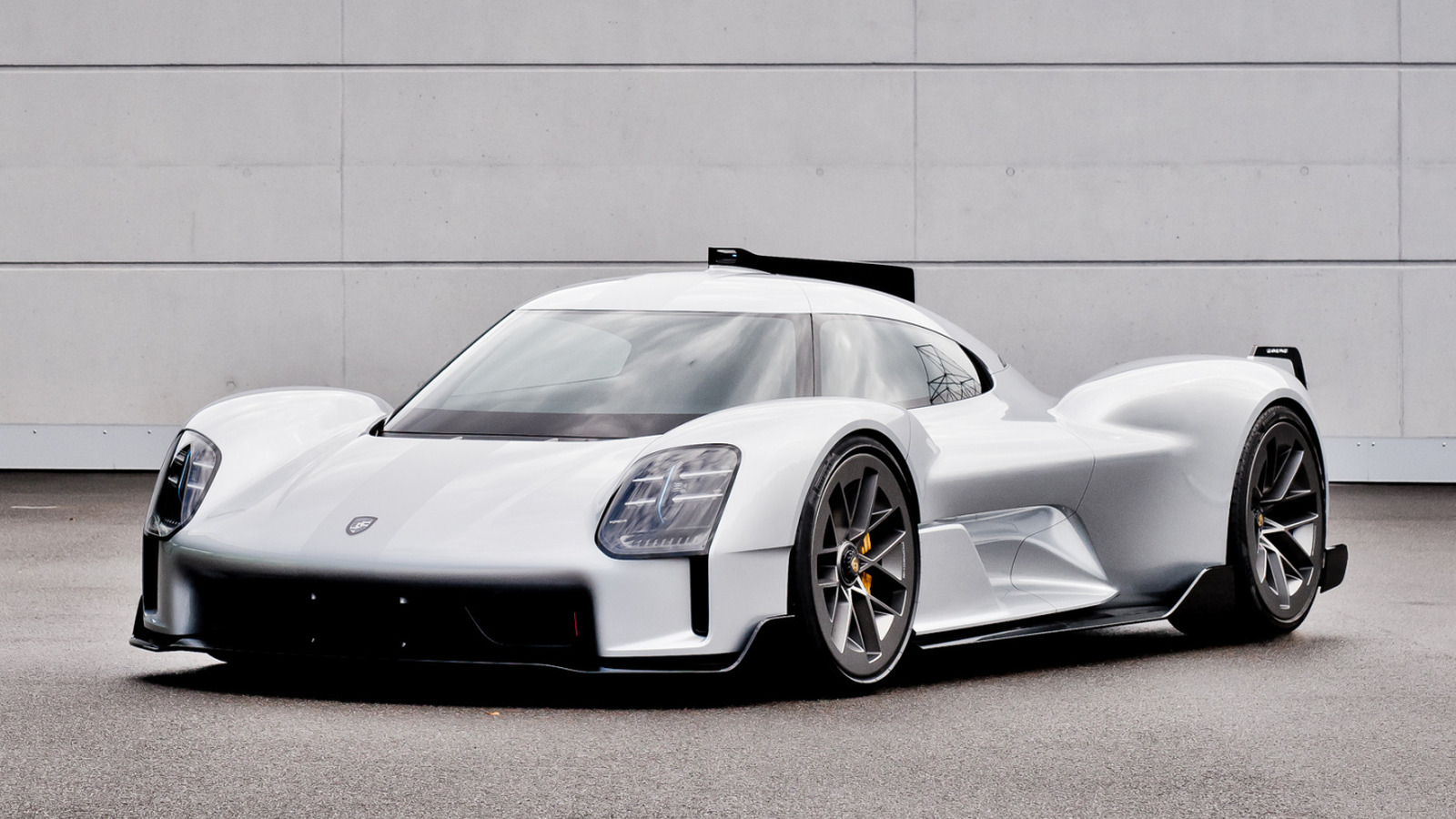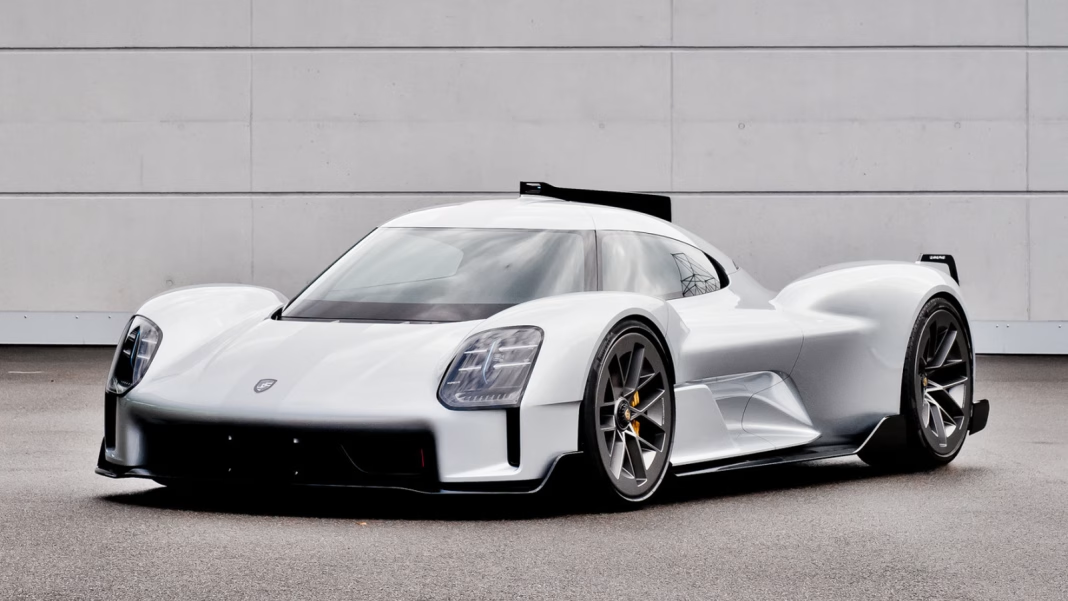
Supercars have a unique way of igniting passion and excitement in car enthusiasts, whether they’re seasoned collectors or wide-eyed youngsters. These high-performance machines, with their sleek designs and roaring engines, have long been symbols of speed, luxury, and engineering prowess. Yet, despite their allure, supercars aren’t as prevalent on the roads as they once were. So, what’s behind this shift, and what does the future hold for these magnificent vehicles?
Why Are Supercars Becoming Less Common?
One of the main reasons supercars are becoming rarer is the increasing complexity of regulations surrounding emissions and safety. Governments worldwide are tightening their grip on environmental standards, pushing manufacturers to rethink their strategies. As a result, many brands are shifting focus toward electric vehicles (EVs) or hybrids, which, while innovative, often lack the visceral thrill that traditional supercars provide.
Take, for instance, the shift from gas-guzzling V8s to turbocharged engines or even fully electric powertrains. While these advancements are crucial for sustainability, they can sometimes dilute the raw experience that supercar enthusiasts crave. The roar of an engine, the feel of a manual transmission—these elements are part of the supercar experience that many fear might be lost in the transition to greener alternatives.
The Changing Face of Supercar Manufacturers
Interestingly, the landscape of supercar manufacturers is evolving. Brands that once dominated the scene, like Lamborghini and Ferrari, are now joined by newcomers that are redefining what a supercar can be. Companies like Rimac and Pininfarina are pushing boundaries with electric hypercars that boast jaw-dropping performance metrics. For example, the Rimac Nevera can accelerate from 0 to 60 mph in just 1.85 seconds, rivaling even the most iconic combustion-engine supercars.
This shift isn’t just about performance; it’s also about technology. Modern supercars are equipped with advanced features like adaptive aerodynamics, sophisticated infotainment systems, and cutting-edge safety technologies. These innovations enhance the driving experience but can also make the cars feel less “raw” compared to their predecessors.
What Do Enthusiasts Want in a Supercar?
So, what do supercar enthusiasts truly desire? Many crave a blend of performance, heritage, and emotional connection. They want a vehicle that not only performs exceptionally but also tells a story. This is where legacy brands have an edge; they carry a rich history and a sense of nostalgia that newer companies are still trying to establish.
Take the Ford GT, for example. Its design pays homage to the original GT40, a car that made history in the 1960s. This connection to the past, combined with modern engineering, creates a compelling narrative that resonates with fans. Enthusiasts often seek that emotional engagement, something that transcends mere statistics and performance figures.
The Future of Supercars: A Blend of Tradition and Innovation
Looking ahead, the future of supercars seems to be a delicate balancing act between tradition and innovation. Manufacturers are increasingly aware of the need to cater to a changing audience while preserving the essence of what makes a supercar special. This could mean developing hybrid models that maintain the thrilling driving experience while also being more environmentally friendly.
Moreover, the rise of digital platforms allows enthusiasts to engage with brands in new ways. Virtual reality experiences, online communities, and even digital ownership models are changing how people interact with supercars. This evolution could foster a new generation of fans who appreciate the artistry and engineering behind these vehicles, even if they don’t own one.
The big takeaway? The supercar landscape is shifting, but it’s not about perfection—it’s about smarter adjustments. Whether you’re a die-hard fan or just curious about these incredible machines, embracing the changes while honoring the legacy will ensure that supercars continue to capture our imaginations for years to come. So, keep an eye on the horizon; the next wave of supercars may surprise you in ways you never expected.