The concept of an “Italian tune-up” has been a staple in automotive circles for years. But what exactly does it mean, and does it really deliver on its promises? Let’s dive into this intriguing practice and explore its implications for your vehicle’s performance.
What Is an Italian Tune-Up?
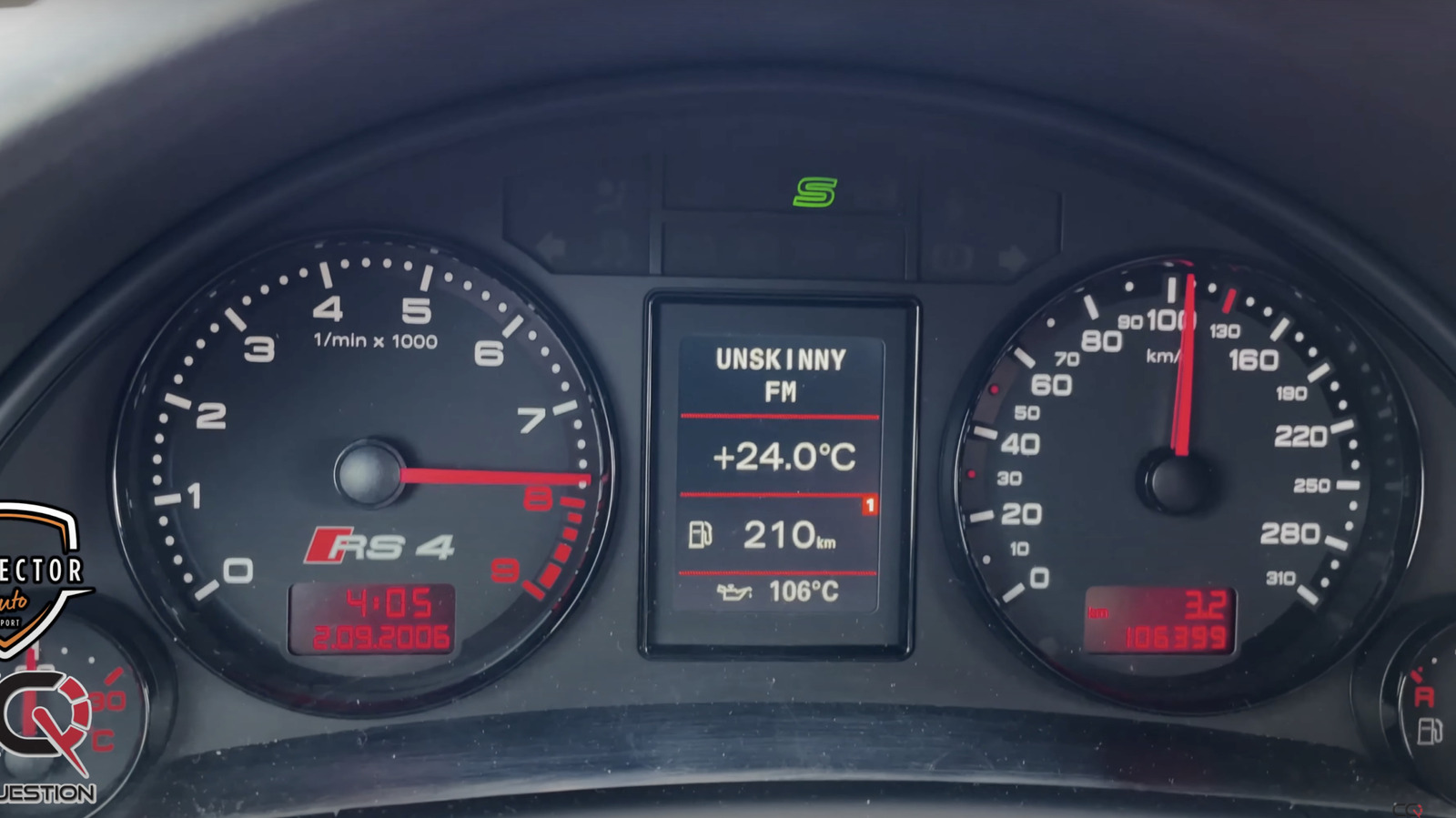
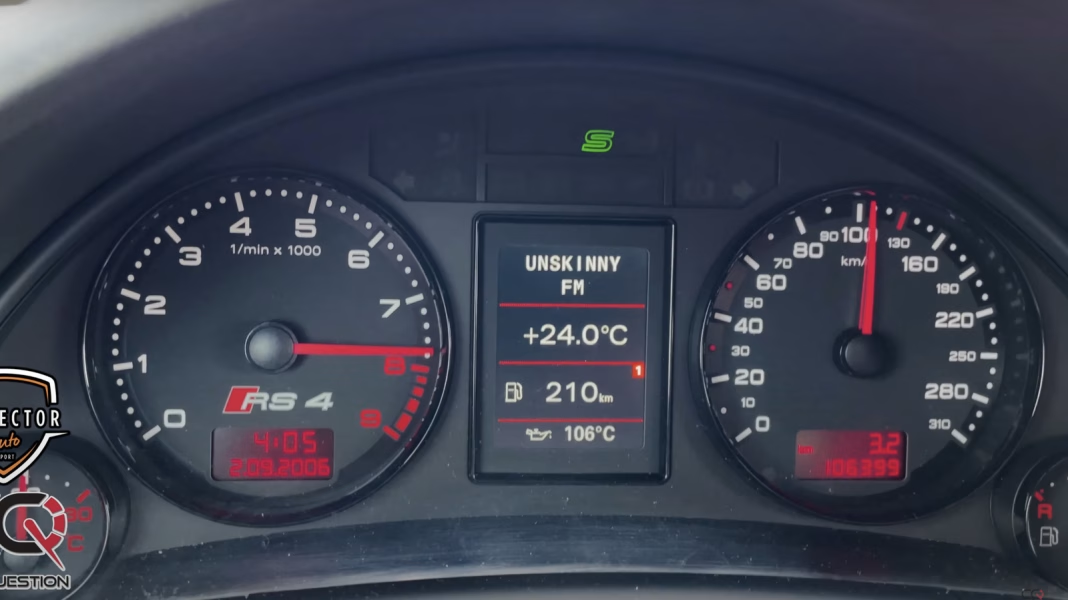
At its core, an Italian tune-up refers to the practice of driving a car hard for a short period, typically involving high RPMs and aggressive acceleration. The idea is that this spirited driving can help clear out carbon deposits and other gunk that may have built up in the engine over time. Think of it as a mini workout for your car—pushing it to its limits to help it perform better.
Why Do People Believe It Works?
The belief in the effectiveness of an Italian tune-up stems from a few key observations. First, engines are designed to run at various RPMs, and occasionally pushing them to the higher end can help ensure that all components are functioning optimally. This can be particularly relevant for older vehicles or those that have been driven primarily in stop-and-go traffic, where the engine might not reach its ideal operating temperature regularly.
Moreover, some mechanics and car enthusiasts swear by the practice, claiming it can lead to smoother performance and improved fuel efficiency. They argue that the increased heat and pressure can help burn off carbon deposits that accumulate in the combustion chamber, valves, and exhaust system.
Is There Science Behind It?
While anecdotal evidence is compelling, scientific backing is a bit murkier. Some studies suggest that running an engine at higher RPMs can indeed help reduce carbon buildup. However, this doesn’t mean that every engine will benefit from an Italian tune-up. Modern engines are built with tighter tolerances and advanced fuel injection systems that may not require such treatment. In fact, some manufacturers advise against excessive revving, as it can lead to unnecessary wear and tear.
Real-World Examples
Consider a scenario where a driver has a car that’s primarily used for short trips around town. Over time, the engine may develop carbon deposits due to incomplete combustion. A spirited drive on the highway, where the driver pushes the car to higher RPMs, might help clear some of that buildup. However, if the vehicle is newer or has been well-maintained, the benefits might be negligible.
Conversely, for older cars or those that haven’t been serviced regularly, an Italian tune-up could provide a noticeable improvement in performance. It’s a bit like giving your car a chance to stretch its legs after being cooped up.
Are There Risks Involved?
It’s essential to approach the Italian tune-up with caution. If your vehicle has existing issues—like a malfunctioning cooling system or worn-out components—pushing it hard could exacerbate these problems. Additionally, if the engine is already running poorly, it might not respond well to this kind of treatment. Always ensure your car is in good health before attempting an Italian tune-up.
Tips for a Safe Italian Tune-Up
If you decide to give this practice a go, here are a few tips to keep in mind:
1. **Warm Up First**: Before hitting the gas, let your engine warm up to operating temperature. This helps ensure that oil is circulating properly and that the engine is ready for the workout.
2. **Choose the Right Environment**: Find a safe, open space where you can drive without the risk of traffic or obstacles. A quiet highway or a long, empty road works best.
3. **Don’t Overdo It**: While the idea is to push your engine, avoid redlining it for extended periods. A few bursts of acceleration followed by normal driving can yield the best results.
4. **Listen to Your Engine**: Pay attention to any unusual sounds or vibrations. If something feels off, it’s best to ease off and consult a mechanic.
5. **Regular Maintenance Matters**: Remember, an Italian tune-up isn’t a substitute for regular maintenance. Keep up with oil changes, air filter replacements, and other routine services to keep your engine in top shape.
The big takeaway? An Italian tune-up isn’t about perfection—it’s about smarter adjustments. Start with one change this week, and you’ll likely spot the difference by month’s end. Whether you choose to give your car a little extra love or stick to regular maintenance, understanding your vehicle’s needs is key to keeping it running smoothly.