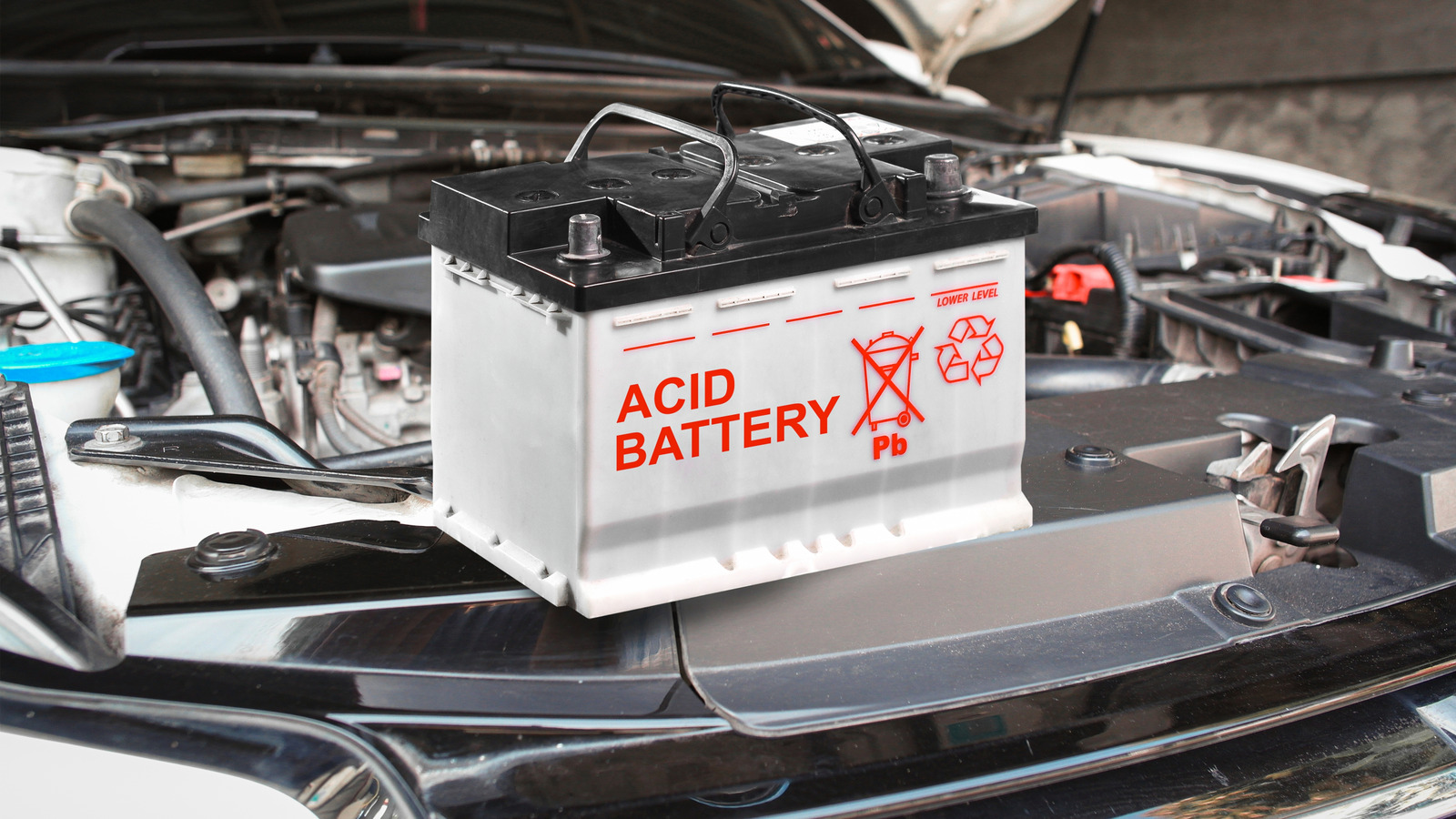
Can You Charge a Car Battery Without Disconnecting It?
If you’ve ever popped the hood and stared at your car battery, wondering whether you really need to unhook everything just to give it a charge, you’re not alone. Plenty of drivers have asked the same question, especially when time is tight or the weather’s not cooperating. The good news: in most cases, you can safely charge your car battery without disconnecting it first. But there are a few important caveats to keep in mind.
Is It Safe to Charge a Battery While It’s Still Connected?
For most modern vehicles, charging the battery while it’s still hooked up is perfectly safe—assuming you’re using a quality charger and following the right steps. Today’s smart chargers are designed to deliver a controlled, gentle current that won’t fry your car’s sensitive electronics. In fact, many mechanics do this routinely during routine maintenance.
However, if you’re driving an older car or using a basic, non-smart charger, there’s a bit more risk. Older chargers can sometimes send voltage spikes through your car’s electrical system, which could potentially damage delicate onboard computers. If you’re unsure about your charger’s capabilities, it’s worth checking the manual or asking a pro.
What Precautions Should You Take Before Charging?
Even if you’re leaving the battery connected, a little prep work goes a long way. First, make sure the car is turned off and the keys are out of the ignition. Double-check that all lights and accessories are off—no need to drain the battery further or risk a short.
Next, inspect the battery terminals for corrosion or loose connections. A quick cleaning with a wire brush can improve contact and make the charging process more efficient. And always connect the charger’s positive (red) clamp to the battery’s positive terminal first, followed by the negative (black) clamp to the negative terminal or a solid ground point on the car’s frame. This reduces the risk of sparks near the battery.
Are There Situations Where You Should Disconnect the Battery?
While charging with the battery connected is usually fine, there are exceptions. If your car is undergoing electrical repairs, or if you’re using a high-powered charger or jump starter, disconnecting the battery is the safer bet. The same goes for classic cars with less robust electrical systems—better safe than sorry.
Also, if you notice any swelling, leaking, or odd smells coming from the battery, stop immediately and disconnect it. These are signs of a failing battery, and charging it could be dangerous.
How Long Does It Take to Charge a Car Battery This Way?
The time it takes to charge your battery depends on its size, how depleted it is, and the amperage of your charger. A typical trickle charger (1-2 amps) can take up to 24 hours for a full charge, while a more powerful charger (10 amps or more) might get the job done in a few hours.
If you’re using a smart charger, it’ll usually indicate when the battery is fully charged and automatically switch to maintenance mode. No guesswork required.
Will Charging While Connected Affect My Car’s Electronics?
This is a common worry, especially with newer cars packed full of computers and sensors. Fortunately, most smart chargers are designed to prevent voltage spikes that could harm your vehicle’s electronics. Still, it’s smart to avoid turning on the ignition or operating electrical accessories while charging. And if you’re ever in doubt, consult your owner’s manual or a trusted mechanic.
What’s the Best Type of Charger for This Job?
If you’re planning to charge your battery without disconnecting it, invest in a modern smart charger. These devices monitor the battery’s condition, adjust the charging rate automatically, and shut off when the battery is full. They’re also less likely to cause accidental damage to your car’s systems.
Avoid using old-school chargers that lack automatic shutoff or voltage regulation. They’re cheap, but the risk to your car’s electronics just isn’t worth it.
What Do the Experts Say?
According to the American Automobile Association (AAA) and the Battery Council International, charging a car battery while it’s connected is generally safe for most vehicles, provided you use the right equipment and follow basic safety steps. In fact, many dealerships and service centers use this method every day.
A 2022 survey by Consumer Reports found that nearly 70% of car owners who charge their own batteries do so without disconnecting them, and reported no issues when using smart chargers. That’s a pretty solid endorsement.
Key Takeaway for Everyday Drivers
Charging your car’s battery doesn’t have to be a hassle, and you usually don’t need to disconnect it. Just use a modern smart charger, follow a few simple precautions, and you’ll be back on the road in no time. The big takeaway? Car battery care isn’t about perfection—it’s about smarter adjustments. Start with one change this week, and you’ll likely spot the difference by month’s end.